01 June, 2026
Outdoor Bathtub Ideas for Australian Bathrooms
Explore outdoor bathtub ideas suited to Australia's climate. Get inspired to add an alfresco bath to your deck or courtyard.

Video Credit: Hunting for George
Why Outdoor Bathtubs Suit the Australian Climate
There are few sensations better than stepping into a hot outdoor bath after dark. Imagine yourself reclining in a warm tub on a timber deck while eucalypts sway in the breeze past the backyard fence line. It is not a fantasy. It is a reality for Aussies in many areas. And given Australia's wide-ranging climates, it is not as impossible as you may imagine.
Australia's love of indoor-outdoor living is well documented, with alfresco entertaining areas, wraparound decks or courtyards adjacent to the master bathroom found in most homes. For many people, an outdoor bath is an easily integrated addition to those spaces. For most of Australia's tropical North — which includes Darwin, Cairns and the greater Top End — there is no reason an outdoor bath cannot be used throughout the evening at almost every time of year. For Melbourne, Adelaide or Hobart, it may mean taking a little care during colder months, and perhaps adding privacy fencing as protection from a prevailing cold wind.
UV exposure and adequate drainage do require careful thought. With Australia's UV index being among the highest in the world, many bathtub materials are liable to degrade without UV-protective treatment. Outdoor baths must also have good drainage to avoid pooling water around the deck, including a suitable fall of at least 1:80 away from the structure. These concerns can be addressed, and all of the outdoor bathtub ideas below consider these elements.

Best Materials for Outdoor Bathtubs in Australia
Once you have verified that your climate zone and site are suitable, the next consideration is the choice of bathtub material best suited to outdoor conditions.
Stone resin is one of the best options overall, given its density, UV resistance and heat-retaining properties without the need for additional UV-protective coatings. These baths do tend to be heavier than other options — a stone resin bath can exceed 100 kg empty — so your deck will need to have the appropriate weight rating (more on that shortly).
Cast iron is well-regarded for its durability and superior heat retention. However, cast iron is also very heavy. In coastal areas, homeowners need to be aware that cast iron is particularly susceptible to corrosion in salt-air environments, which can be addressed with an exterior enamel or powder-coat finish. Inland and lower-humidity areas will not pose as significant a problem.
Fibreglass-backed acrylic is the most popular bath material in Australia. It is lightweight, more affordable than stone resin and cast iron, and comes in a wide range of shapes. It does require a UV-stable topcoat for outdoor applications, so always confirm the specification first. Copper is very eye-catching and develops a distinctive patina, though it needs regular sealing in humid or coastal environments. Concrete baths are the most bespoke option — poured in situ, fully customisable, and very heavy.

Installation and Site Preparation Considerations
Material shortlisted already? Plumbing, drainage, structural work — the site has specific needs, and skimping on any of them leaves you with a bath that flat-out won't function.
First thing to nail down? Deck load capacity. Timber decks on most homes top out at 400 kg/m², which suits acrylic just fine — cast iron or concrete is a different story and may need an engineer's sign-off. Lock in a structural assessment before committing to anything heavy.
Hot and cold supply, waste, overflow — a licensed plumber (state plumbing licensing legislation) has to handle every one of those connections, full stop. DIY plumbing connections? Illegal in every Australian state and territory, no exceptions. Once the job's done, your plumber must hand over a compliance certificate — that part's non-negotiable. The hot water outlet temperature cap is clear: bath supply water at the outlet must stay under 50°C (AS/NZS 3500.4), end of story. Temperature calibration gets harder outdoors, which means scalding risk deserves serious thought.
The relevant standards for waterproofing (AS 3740:2021) (NCC 2022, ABCB Housing Provisions, Part 10.2) aren't optional — meet them or don't proceed. At every wall-to-floor junction, proper membrane and flashing are a must — adjacent walls also want waterproofing up to at least 150 mm above the bath rim. Frost is a real factor in alpine Victoria, Tasmania and the ACT highlands — plumbing lines there need either insulation or an internal run to avoid freeze damage. Your state or territory authority is the place to confirm exact compliance obligations — do that before moving forward.
AS 4586 sets the minimum slip-resistance requirements — deck or paving around the bath has to clear that bar. Wet areas call for a P4 or P5 rating — that's the target.

Picking the Right Outdoor Bath Style and Size
With plumbing and structure out of the way, the bath style and size that actually suits the space is the next decision. From classic to contemporary, the outdoor bathtub ideas below run the full range.
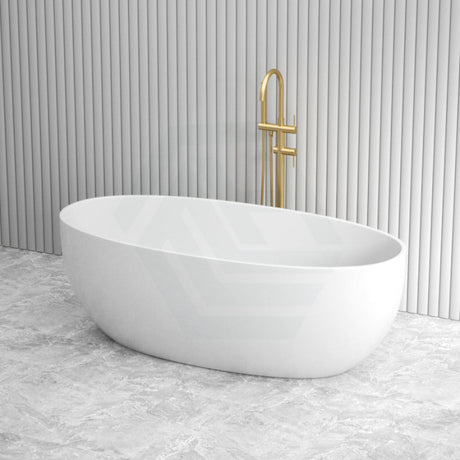
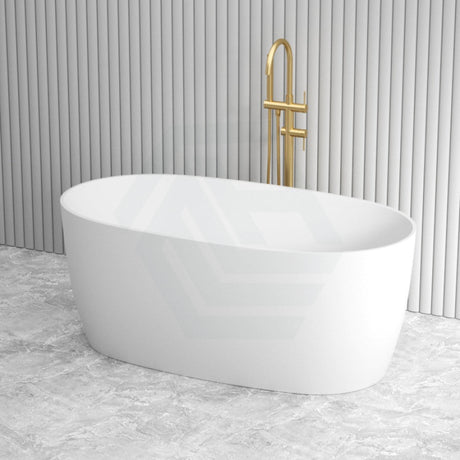
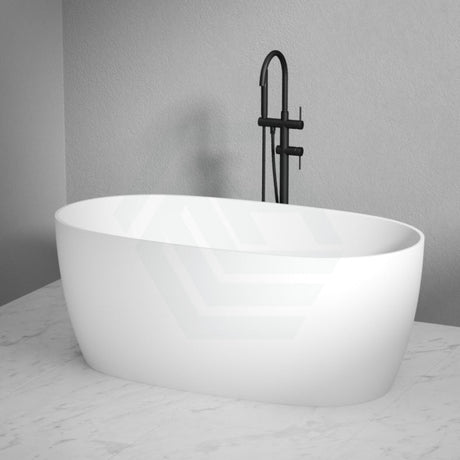
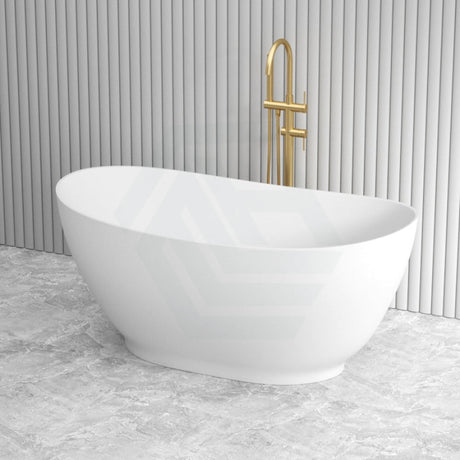
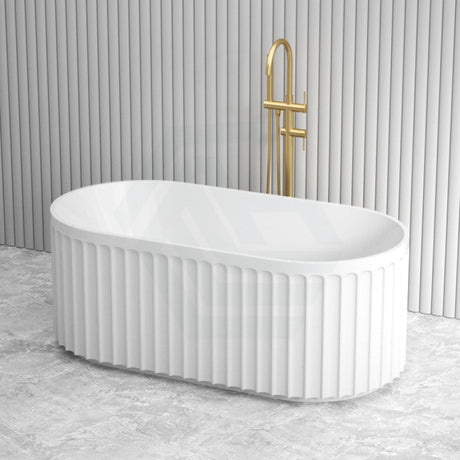
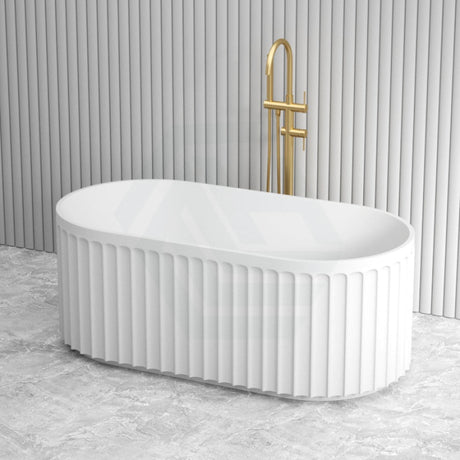
Hard to beat outdoors, a freestanding bath takes the top spot for popularity and visual impact. Wall fixings? None required — the bath sits on the deck as its own standalone feature. After an oval or rectangular profile? Broadway and Poseidon both fit the bill. Available in 1500 mm, 1650 mm and 1700 mm — the 1700 mm is the one adults tend to prefer; budget at least 300 mm either side and a clear deck run of 1.8 m at minimum.
One thing worth clearing up — a clawfoot bath sits under the freestanding umbrella; it's not a separate category of its own. A solid base gives way to four decorative feet, and that classic character slots right into verandah-style outdoor settings. Practically speaking, it's still freestanding.
An outdoor spa bath comes with hydrotherapy jets and goes in either freestanding or inground — whichever suits the space. The spa functionality and the format are two separate calls — one doesn't lock in the other. jet pump wiring is a job for a licensed electrician only — RCD protection (AS/NZS 3000:2018) must be fitted to the required standard, no exceptions. Additional requirements can vary by state or territory, so it's worth a quick check.

Outdoor Bathtub Budgets: What to Expect
Happy with the style and size? Cross-check it against current Australian market prices before going further. Budget-wise, the options below span quite a range. Entry-level acrylic freestanding baths sit around $878–$1,200, provided the plumbing rough-in is already nearby. The $1,500–$3,500 bracket opens up stone resin freestanding baths, deck reinforcement and a wall-mounted spout — Bella Vista and Meir both list wall spouts from $200–$467. Cast iron and high-quality stone resin sit in the $3,500–$7,000 band — privacy screening, quality tapware and slip-rated outdoor tiles at around $62–$66 per piece all land comfortably in there. At $7,000-plus, an outdoor spa bath with hydrotherapy jets, lighting and timber or stone surrounds becomes the centrepiece of the whole outdoor living area — sealant, tap servicing and general upkeep should be in the budget from the very start.
References
State plumbing licensing legislation (VBA Victoria; Fair Trading NSW; QBCC Queensland; Building Practitioners Board WA; CBOS Tasmania; ACTPLA ACT; Building & Energy SA; ABPB NT)
AS/NZS 3500.4 Plumbing and Drainage — Heated Water Services, Standards Australia
National Construction Code 2022, ABCB Housing Provisions, Part 10.2 Wet Areas
AS 3740:2021 Waterproofing of Domestic Wet Areas, Standards Australia
AS/NZS 3000:2018 Electrical Installations (Wiring Rules), Standards Australia