14 April, 2026
Magnesium Bath Benefits: Health Advantages and How to Enhance Your Bathing Routine
Magnesium bath benefits explained: Epsom salt soaks for relaxation, muscle relief and better sleep. Honest guide to dosage, temperature, real science and how to enhance your bathing routine.

The Science Behind Magnesium Baths: What Evidence Actually Shows
Look, I get it. Everyone is raving about magnesium baths these days. The wellness guru you follow on Instagram, that friend who started hot yoga last year, the influencers whose feeds look like a curated spa day, they all say the same thing: "Add a bag of salt to your tub and everything is suddenly better." But does the scientific evidence match up with all the noise?
The reality is a bit more nuanced. While some studies indicate that small traces of magnesium can be absorbed via the skin, many others suggest that the transdermal uptake is minimal, almost non-existent in practical terms. So why do people swear by the benefits? A majority of these, like getting a better night's sleep, feeling more relaxed, or feeling better after a workout, have nothing to do with transdermal absorption of the mineral, and more to do with the water temperature. The warmth in the water is relaxing the muscles and the heat itself is lowering the stress hormones, the cortisol levels. And the ritual of taking time out for a hot soak is probably doing something to reset your nervous system, plus some placebo effect, and all that, and that's just fine. A bath can make you feel great and you will still feel great, no matter whether it is magnesium or warm water alone. The truth is that any magnesium bath benefits you feel are real, even if it's mostly just a warm water soak that you added mineral salts to for good measure.

Epsom Salt vs Other Bath Additives: Composition and Absorption
So you're ready to give it a try, but which salt are you going to use? Epsom salts (magnesium sulphate), are probably what you've heard of the most and they work the best as far as we know, plus they are readily available at your local chemists. The other salts, like pink salt, dead sea salt, and magnesium chloride flakes, may look great and even smell nice, but they have less magnesium and they cost much more. You can expect that if you're going to have a magnesium bath once a week and it takes around one or two kilograms of the salt, that's around $10 to $40, which works out around $10 to $20 per kilogram for Epsom salt.
Next, Himalayan pink salt comes in at $15 to $25 per kilogram, but it's mainly sodium chloride; the mineral content is just a small fraction of magnesium. It's got that beautiful colour, that's why it's popular, but you can't expect more than a pinch of magnesium. Dead Sea salt is about $20 to $40 per kilogram and has more minerals overall, but again, only some magnesium. Finally, magnesium chloride flakes run $25 to $50 per kilogram; they do market it as the premium, ultra-absorbable option, but there's not much evidence to back that up.
In other words, you're best going with Epsom salt. It's cheap, it dissolves pretty well, and you shouldn't have to worry about clogging your drains. It is widely available at places like Bunnings and Chemist Warehouse. The epsom salt bath benefits are essentially the same as more expensive alternatives—warm water and minerals.

Creating the Perfect Magnesium Bath: Temperature, Duration and Dosage
If you are using magnesium salts, temperature, time, and dosage are all important variables. Water temperature is best if kept at around 40 to 45 degrees Celsius. This is hot enough to provide muscle-relaxing effects without leaving you looking quite so red. Unless you are one of those rare individuals that owns a thermometer for their bath water (and let's be honest, most of us don't), use your best judgment; it should just be hot, not painful.
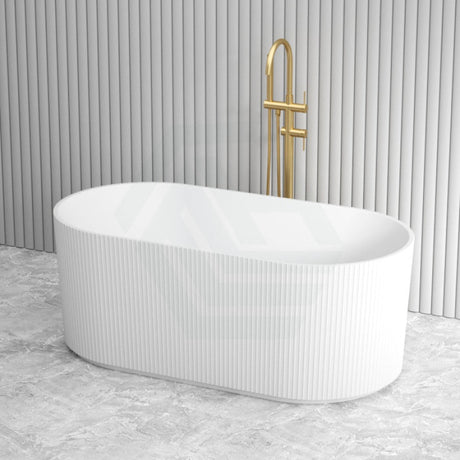
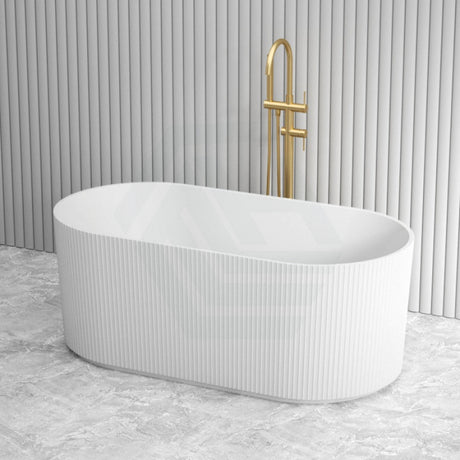
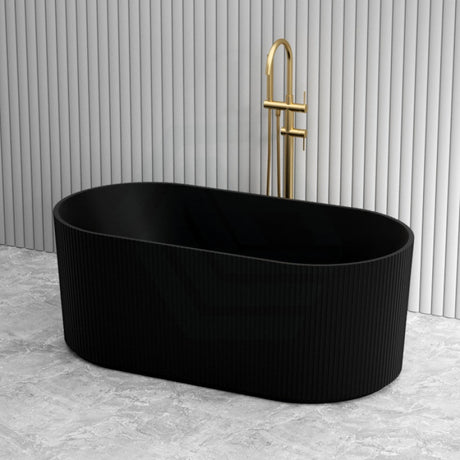
To fill a 1,700 millimetre bath, use one to two kilograms of Epsom salts. Let it dissolve, or stir it before you get in; this usually requires around five minutes. Get in the bath and just enjoy soaking for 15 to 20 minutes. Staying in longer will increase the chance of dehydration with no additional benefit.
Take this two to three times a week. Don't do it every single day though. This may dry the skin, which defeats the purpose. If you wish to rinse any remaining salt off, do so with clean water post-bath, and moisturise straight after while your skin is still damp. Finally, leave the window open in the bathroom, so the steam doesn't build up and grow mould if the ventilation in your bathroom is not so good.

The Real Benefits: What Your Body Experiences (Buckle Up for Honesty)
Let me be real with you. Warm water immersion actually reduces muscle tension—this is, in fact, a genuine biological effect. Your parasympathetic nervous system (rest and digest mode) is what's activated by warm baths, which is exactly why you feel calm afterwards. Just spending 20 minutes for yourself? That counts as real self-care and is good for your mental health.
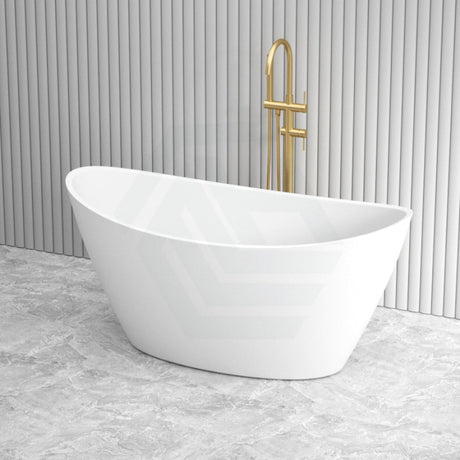
So most likely you are experiencing: less muscle soreness (especially if you've just worked out), better sleep (especially if you take baths before bed), less stress, and softer skin. Most likely you are NOT: treating illness, detoxifying your body (your liver does this for you), or quickly healing an injury. A japanese bathtub with deeper soaking capacity will make the experience more full-bodied, letting more of your body benefit from the warm water, but remember that these still depend on warmth and rest, not on any special mineral uptake. The real magnesium bath benefits come down to a genuinely good practice for relaxation and minor physical benefits—not a substitute for medical care. For those who prefer ice bath benefits and cold bath benefits, alternating hot and cold can stimulate your circulatory system more than a warm soak alone.

Bath Setup and Equipment to Maximise Your Bathing Routine
You don't need to be in a spa to take a great bath, but a few additions do improve your experience. A spa bathtub with jets circulates the salted water around your body and adds a massage effect, ranging from $2,500 to $6,000 installed. If you're after deep soaking, a soaking japanese tub allows full-body immersion that standard Australian bathtubs simply cannot match.
On the affordable end, a bath pillow ($15 to $40) supports your neck, a waterproof speaker ($30 to $100) lets you play music or a podcast, and a simple bath thermometer ($10 to $20) takes the guesswork out of temperature. Keep a glass of water beside the tub because you will get thirsty and use a bathmat when you step out as salt residue makes the floor slippery. If you want to make it fancy, chromotherapy lights ($50 to $200) and essential oil diffusers ($25 to $80) add ambience without breaking the bank. The whole point is to create a ritual you look forward to, not a clinical treatment.