27 May, 2026
Bath Renovation Ideas for Australian Bathrooms
Explore bath renovation ideas for Australian homes. Plan your budget, layout and compliance with confidence.

Video Credit: Pizza and Property
Bath Renovation Planning: Budget, Layout and Australian Compliance
Imagine ditching that long-suffering, tired, dated bathroom for something completely unrecognisable — a space that's finally yours. Think a gorgeous bath front and centre, floor tiles that actually earn their keep, warm light that does you favours. Dead achievable — planning is just where it all has to begin.
Your budget comes first — and be straight with yourself about it. In Australia, mid-range jobs tend to land somewhere between $10,500 and $20,000 — push into premium territory and $35,000 is well within reach, sometimes more. Where you live shifts the numbers considerably — Sydney and Darwin sit at the pricier end, while Hobart tends to be a bit kinder on the wallet. Relocating your plumbing — that's the one thing that'll hit your budget harder than anything else, no contest. Leave the bath, basin and toilet where they already sit and you'll spend a lot less. Before you lock in a layout change, get your waste and supply lines mapped out first.
Every state and territory in Australia requires a licensed plumber for bathtub connections — water supply, waste, and overflow, full stop. A certificate of compliance comes from your plumber once the job's done — the name on that certificate changes depending on which state you're in. A licensed waterproofer for wet areas is a legal requirement in most states — factor that into your contractor budget right from day one. Windowless bathrooms must hit a minimum exhaust ventilation rate of 25 litres per second under the NCC (NCC 2022, ABCB Housing Provisions, Part 10.8) — run that past your certifier well before the design gets locked in.
Budget locked in, compliance ticked off — now's the time to figure out which bath size and material genuinely fits your space.

Bath Size and Material: What Actually Works in Australian Bathrooms
Compact bathrooms typically take a 1500 mm bath; step up to 1675 mm for a solid mid-range fit, or go to 1700 mm — the length most renovators land on. Plenty of floor space to play with? Push out to 1800 mm and the bath starts to feel genuinely luxurious. Measure the room footprint first, and make sure there's clearance along at least one long side — nobody wants a bath that's a wrestling match to get in and out of.
Most people underestimate just how much the material affects day-to-day use. On the Australian market, acrylic baths dominate — they're warm to the touch, typically under 30 kg, and you'll find them at almost every price point. For a long soak, cast iron holds heat like nothing else — the catch is the weight, and that's a real concern on upper floors where structural load limits come into play. Stone resin lands somewhere in the middle — heavier than acrylic, yes, but the thermal mass is excellent, the feel is solid, and the look is premium without going full cast iron on price. Upper-storey bathroom? Get a structural engineer to confirm the floor's load capacity before cast iron or stone resin even goes on the shortlist.
Bath unit and dimensions sorted — the wet area around it demands attention next, since waterproofing and tiling failures are behind most renovation leaks and callbacks.

Waterproofing, Tiling and Practical Finishes for Wet Areas
Nobody's posting this bit to Instagram — but it's the most consequential work in the whole project. Skimp here and those tiles are coming up inside five years.
Under AS 3740:2021 and NCC 2022, walls adjacent to the bath must be waterproofed to a minimum of 150 mm (AS 3740:2021) (NCC 2022, ABCB Housing Provisions, Part 10.2) above the bath rim. Wall and floor junctions require a horizontal flashing leg of at least 40 mm. The membrane must cure fully — typically 24 to 72 hours depending on the product — before a single tile goes down. Rushing this step is the most common and most costly mistake in bathroom renovations.
Under AS 4586, wet-area floor tiles need a minimum P3 slip rating — bump that to P4 if drainage fall is slow or elderly users will be around. Tiles like 600 mm × 600 mm do open a space up visually, yet they demand a solid substrate and a tradie who knows what they're doing. Where tiles meet the bath, use silicone — not grout — so the joint can flex with seasonal movement. With the wet area substrate and finishes done, it's time to think about bath format.

Back to Wall and Freestanding Baths
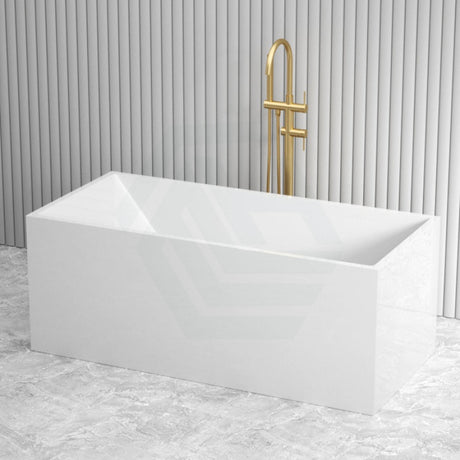
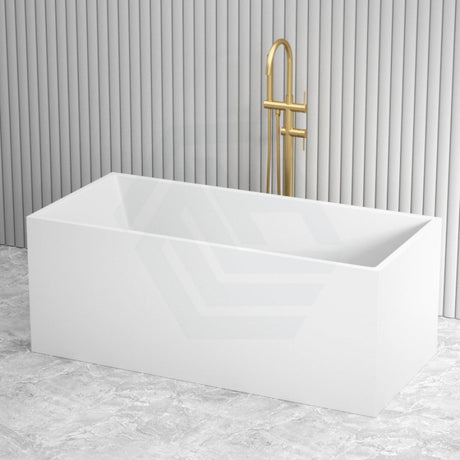
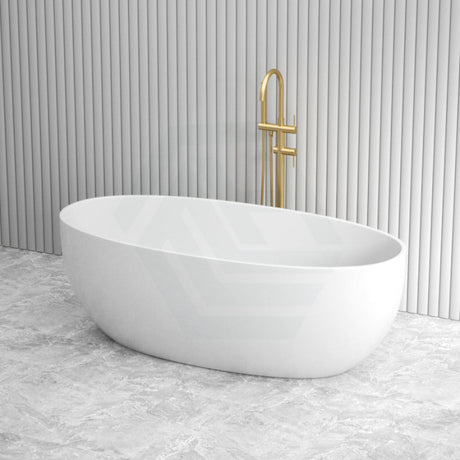
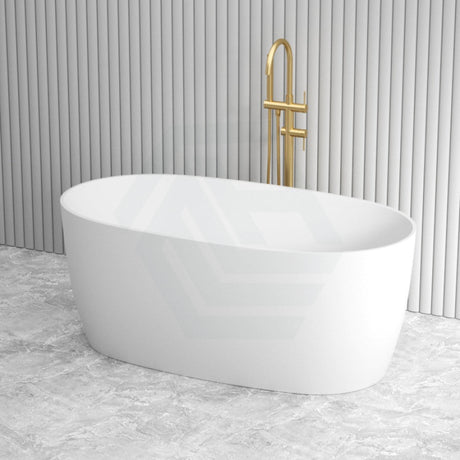
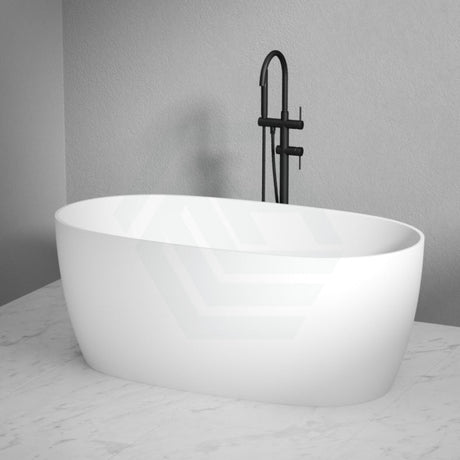
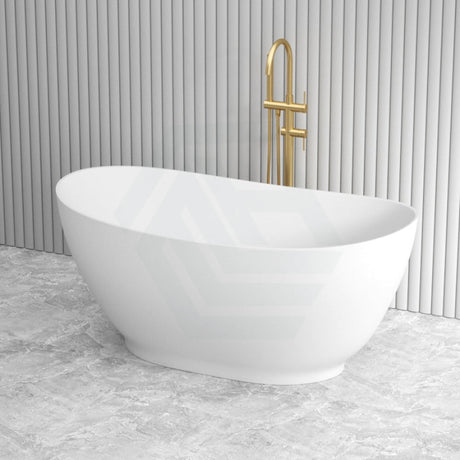
These two bath renovation ideas are among the most popular in Australia, suiting different room sizes and budgets. A freestanding bath is a feature piece visible from all angles and can turn a bathroom into a proper sanctuary. Broadway and Poseidon offer a range of freestanding bath styles in acrylic from $878 to over $7,000. A freestanding bath works best where there is at least 1.8 m of clear floor space surrounding it — it doesn't suit every bathroom.
Where floor space is limited, a back to wall bath is often the better option. It sits against a wall with the waste concealed behind that wall or in a floor void. A back to wall bath is frequently paired with wall-mounted taps, which simplifies cleaning and makes excellent use of the wall space. Prices for a back to wall bath range from $938 to $2,085. Neither bath format should be installed until the room has been fully waterproofed and the membrane has cured.

Stone Bathtubs
A stone bathtub makes a statement and demands careful planning. Natural stone tubs weigh between 150 kg and 300 kg empty. Stone resin tubs are considerably lighter, though still heavier than acrylic. If a stone bathtub is being installed on an upper floor in a timber-framed home, engage a structural engineer early to confirm the floor can carry the load — budget and plan for this from the outset.
Natural stone tubs require regular sealing to prevent water penetration, while stone resin requires very little maintenance. A stone bathtub delivers a premium aesthetic with warm tones and will outlast a comparable acrylic option. Both are significant investments and bath renovation ideas that deserve careful thought, particularly with regard to how long you intend to remain in the property. With thorough planning and experienced installation, these bath renovation ideas can help you create a bathroom you will genuinely enjoy for years to come.
References
State plumbing licensing legislation (VBA Victoria; Fair Trading NSW; QBCC Queensland; Building Practitioners Board WA; CBOS Tasmania; ACTPLA ACT; Building & Energy SA; ABPB NT)
National Construction Code 2022, ABCB Housing Provisions, Part 10.8 Condensation Management
National Construction Code 2022, ABCB Housing Provisions, Part 10.2 Wet Areas
AS 3740:2021 Waterproofing of Domestic Wet Areas, Standards Australia