05 May, 2026
Bath Renovation Ideas: Classic Clawfoot Styling for Traditional Bathrooms
Bath renovation ideas with classic clawfoot styling: freestanding baths, shiplap walls, subway tiles and chrome tapware. Timeless elegance for traditional Australian bathrooms.

What Makes a Clawfoot Bath the Heart of a Traditional Bathroom
You walk into a bathroom where the main feature is a clawfoot bath, it's hard not to focus on the bath. If you've been looking at bathroom renovation ideas for a traditional or classic period home, then the rest of your decisions, from your bathroom tiles, tapware, vanity and flooring, is going to be about this one fixture.
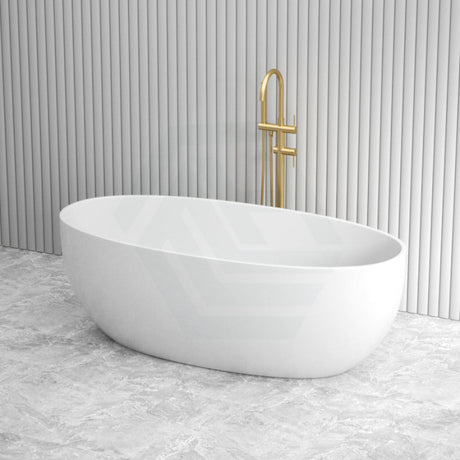
For that reason it's very different from a built-in alcove bath. Built-in baths disappear into the surrounding alcoves and walls whereas freestanding clawfoot baths will always be the centrepiece. They make the statement with their exposed underside, their raised feet and their distinctive rim. Because they're freestanding and not tucked away, boxed in and hidden like an alcove bath, your positioning isn't necessarily limited to your floor plan plumbing and other fixtures.
It also means the placement of your clawfoot bath in your traditional bathroom renovation plans needs to be considered when you start the design process, rather than being added on at the end.

Choosing the Right Clawfoot Bath: Materials, Sizes, and Specs
With this now understood as the focal point of your floor plan, you need to decide on what material and size is going to suit the structural and spatial requirements of your traditional bathroom renovation.
You can choose from one of three types: cast iron, acrylic and stone resin, with each differing significantly in weight, heat retention and cost. Cast iron is the classic original and provides the best heat retention and durability, yet is extremely heavy at 160–180 kg empty, which will give rise to serious structural floor issues in any upper storey. Acrylic with fibreglass backing is the most common type of bath in Australia, ranging from $878 to $3,500, and is much lighter in weight. Stone resin is heavier than acrylic yet with better heat retention, with prices starting from $2,500 and rising from there.
Common bath lengths available in Australia are 1500 mm, 1650 mm, and 1700 mm. The 1700 mm length is the most popular and, with good reason, is comfortable for an average adult to recline in. Be advised that freestanding acrylic baths will often not have an overflow hole, so confirm this before you purchase. All tapware and waste products must carry WaterMark certification, which is mandatory for plumbing and drainage products sold in Australia. Both Broadway and Poseidon offer a strong range of freestanding acrylic options. Broadway in particular carries a substantial selection across both classic and contemporary profiles.

Hamptons and Black-and-White Styling: Practical Design Frameworks
Now that you have the material and size decided, you have an entire room to dress around your clawfoot bath. Two popular traditional bathroom styling frameworks are the Hamptons palette and the classic black-and-white approach.
For Hamptons bathroom ideas, you're looking for white subway tiles in dimensions 75×150 mm or 100×200 mm up to dado height on the walls. V-groove or shiplap panelling above the tiles, or in a powder room from floor to ceiling, will give this traditional bathroom idea its defining coastal texture. Brushed nickel or polished chrome tapware on a wall-mounted three-piece set reads as authentic rather than generic. Fienza and Bella Vista both offer traditional-profile tapware in these finishes that pair well with a freestanding bath.
For black and white bathroom ideas, the floor is where the drama lives. The specification is generally white hexagonal mosaic tiles with 48 mm or 25 mm cells and black contrast grout. Onix glass mosaics are worth considering for feature wall applications. Matte black tapware delivers stronger visual contrast than polished chrome, although polished chrome is easier to keep clean.

Installing Your Clawfoot Bath: Plumbing, Flooring, and Placement Considerations
With your tiles and tapware style decided, consider whether you have the necessary floor loading, plumbing position and room size to install your clawfoot bathtub.
A freestanding clawfoot tub requires 1.8 metres of clear floor space with 150–200 mm clearance on all exposed sides. It is therefore not suited to a smaller bathroom without careful planning. Consider where your floor waste rough-in is located and ensure it aligns with where the bath will be installed. The correct placement of the waste is one of the biggest avoidable issues in these renovations: your licensed plumber will ensure the rough-in is in the correct location well before tiling begins.
A floor-mounted tap — the most traditional option for a clawfoot bath — requires adequate water pressure, so have your licensed plumber check this beforehand. With a cast iron bath, commission a floor load assessment from a structural engineer, particularly if your bathroom is on a second storey or above.
Regarding waterproofing, the NCC 2022 requires all wall surfaces immediately around the bath to be waterproofed to a minimum of 150 mm above the rim (NCC 2022, ABCB Housing Provisions, Part 10.2). Water from any bath outlet must not exceed 50°C (AS/NZS 3500.4) in accordance with Australian Standards. On top of those temperature controls, all plumbing work must be carried out by a licensed plumber — this is a legal requirement in every state and territory. Check your state/territory requirements for confirmation.

Budgeting Your Clawfoot Bath Renovation: Costs, Priorities, and Common Mistakes
Now that you are clear about your clawfoot bath installation requirements, you can develop a budget covering every aspect of the work and avoid some common mistakes.
Your bath unit is likely your most significant cost — acrylic baths start from $878, while premium stone resin options reach $7,000-plus. Selecting the right clawfoot bathtub feet will cost $150 to $600 per set depending on finish and material. A floor-mounted tap can run anywhere from $400 to $1,500. You will also need to account for labour covering tiling, plumbing rough-in and waterproofing — and those individual costs add up quickly when you look at the overall picture. Small bathroom renovations in Australia generally cost $10,000 to $25,000-plus (HIA Bathroom Renovation Cost Guide 2025) depending on size and location, with Sydney and Melbourne typically at the higher end.
Three common budget mistakes to avoid: failing to account for the cost of relocating the waste to align with your bath's drain position; overlooking a floor load assessment for cast iron baths; and selecting a bath renovation ideas layout that leaves insufficient space for a floor-mounted tap. If you have a fixed budget, prioritise spending on the bath unit and plumbing rough-in — tapware, flooring and tiles can be upgraded later. Relocating the waste after the floor has been laid will cost considerably more.
With the correct planning and a budget matched to the scope of work, a clawfoot bath renovation can be one of the most rewarding traditional bath renovation ideas you can pursue.
References
WaterMark Certification Scheme, Australian Building Codes Board
National Construction Code 2022, ABCB Housing Provisions, Part 10.2 Wet Areas
AS/NZS 3500.4 Plumbing and Drainage — Heated Water Services, Standards Australia
HIA (Housing Industry Association) — Bathroom Renovation Cost Guide 2025