13 April, 2026
Small Bathroom Renovation: Budget, Timeline and What to Expect
Small bathroom renovation cost guide Australia: realistic budgets ($8,000–$25,000), timeline expectations, itemised breakdown and expert tips to avoid common budget blowouts and delays.

I can't even begin to keep count of all the small bathroom renovations I have been involved in, and the number one comment I hear is, "Wow, I had no idea it would cost that much." So we need to be transparent. A small bathroom renovation will require you to spend a certain amount of money, time and prepare yourself for any potential complications.
Understanding the True Cost of Small Bathroom Renovation in Australia
A small bathroom renovation in Australia, which can be considered as anything up to 5 square metres, will generally cost you anywhere from $8,000 to $25,000. The cost will vary depending on the location, existing state of the bathroom and materials you choose.
Labour will account for 40 to 50 per cent of your small bathroom renovation cost. Materials make up 30 to 40 per cent and any permits, inspections and contingency account for the remaining 10 to 20 per cent.
This is not to say that this cost will be the same across Australia. Sydney or Melbourne will generally work out to be more expensive than regional Queensland, and the reality is the costs for labour in metro areas are generally higher. So, if you are renovating in a capital city then consider the higher end of the range.
This is where most homeowners make the biggest mistake: They will assume that the quote is an accurate representation of the final price. It almost never is!

Itemised Budget Breakdown: What Each Element Really Costs
So where does that money go? Let's break down the cost for each element.
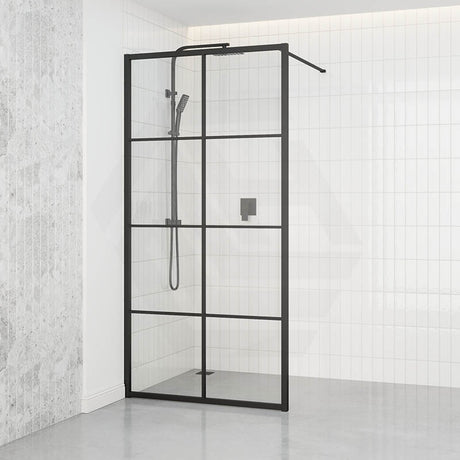
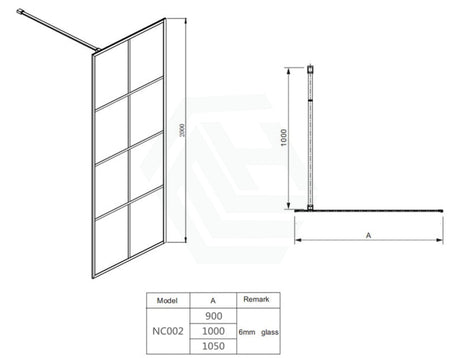
- Shower or bath installation: $1,500 to $5,000. A simple shower screen is on the lower end of the price range and anything more high-end such as frameless is on the higher end.
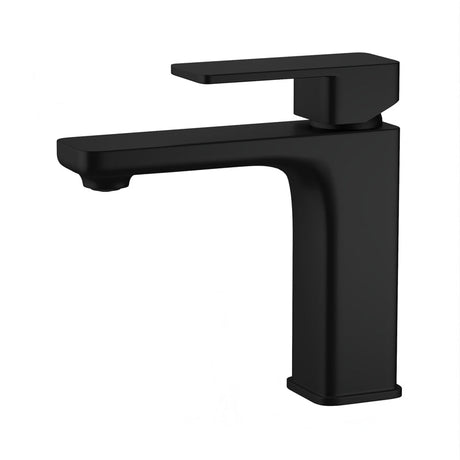
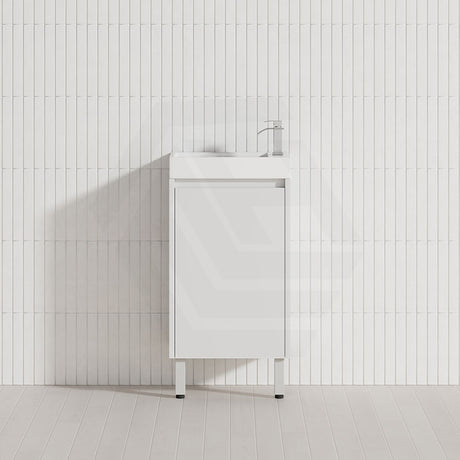
- Vanity and tapware: $1,000 to $3,000. When I say tapware, I am not just talking about the mixer. If you are going to have your vanity and tapware replaced, then it will be best to get higher quality than something that is on the cheap.
- Tiling: $2,000 to $4,000. The average cost for tiling in most capitals varies from $50 to $80 per square metre for labour alone.
- Flooring: $800 to $2,000, depending on the tiling choice and the existing flooring state.
- Plumbing modifications: $1,500 to $3,000. Moving waste for a toilet and relocating water lines can increase these costs.
- Electrical work: $1,000 to $2,000. Heated towel rail, exhaust fan, and any new lighting will require these extra costs.
- Painting and other finishes: $500 to $1,500. Paint and other finishes are essential in completing your renovation with some moisture-resistant coating.
So, this is a general bathroom renovation checklist of what you should look at first if you're doing a bathroom renovation. You could even start researching some of these elements before you have spoken to the tradesperson!

Timeline Expectations: How Long Small Renovations Actually Take
A typical small bathroom renovation will last around four to eight weeks. This is a basic timeline estimate: design and planning take about a week. Permits and approvals run one to two weeks. Demolition is three to five days. Structural work, plumbing, and electrical work takes two to three weeks. Tiling, painting, and other finishes add another two to three weeks. Final inspections and handover take three to five days.
Renovating a small area can sometimes work in your favour to reduce time on construction and renovation. However, it can also work against you in many circumstances as a tradesperson might not be able to work on more than one section of the renovation simultaneously in this space. You also risk delays if anything nasty turns up behind your walls, and nasty things often turn up. A four-week job can easily become a ten-week job if you are faced with extensive water damage, for example. Plan for it.

Planning Your Project to Avoid Budget Blowouts and Delays
Get at least three detailed and itemised quotes, not ballpark figures (see my bathroom renovation tips for staying on budget).
Plan in a 10 to 15 per cent contingency fund. For example, if your budget is $15,000, you should have somewhere between $1,500 and $2,250 to deal with the unexpected, because there will be something unexpected.
Make sure you finalise your design and purchase any non-stock materials before work begins. Changing your mind halfway through can blow both your budget and your deadline. Order early, if possible, as bespoke products can take 8 to 12 weeks to arrive.
If you're thinking about a compact bath, even the smallest bath tub can be just the thing. Make sure you carefully measure and consider access for plumbing.

Common Mistakes and How to Prevent Costly Oversights
Underestimating the contingency fund. I see budget overruns of $2,000 to $5,000 regularly, where the work reveals hidden water damage, crumbling waterproofing, old or faulty plumbing. These are common occurrences rather than rare surprises.
Failing to include adequate ventilation. A well-planned bathroom is likely to remain mould free over months; without a suitable fan to match the bathroom size, you will find mould within a couple of months.
Not considering existing structural damage. Subsidence in the floor, if left unaddressed, can set you back $2,000 to $10,000. Don't sign a builder contract until you have done a thorough inspection of the building.
Choosing a hot water system too small for your bathroom. For instance, if you are looking at tubs for small bathrooms, you can run into trouble if your hot water system doesn't cope with the volume of water that the tub can hold. I know of people who chose to install lovely looking small tubs for small bathrooms and then discovered their hot water supply was not enough.
Insufficient time allowance for purchasing items. Ordering custom fittings once you've already begun the demolition can lead to long delays and blown budgets.
A successful small bathroom renovation is all about practical and sensible planning: get quotes and building permits before you start, measure twice, keep some budget wiggle room for things that can go wrong.