17 June, 2026
When to Start Toilet Training
Learn when to start toilet training with expert-backed readiness signs, ideal age ranges, and daily routines that set your child up for success.

Video Credit: Parents
Signs Your Child Is Ready to Start Toilet Training
The bottom line is, deciding when to start toilet training is not something that is based on a time limit. It is more based on what they are communicating to you. Actually, they are! There are signals that they communicate to you all the time when it is time to begin toilet training. But if you don't pay attention, you will just never hear them.
Some of the physical signs that your child is ready to begin toilet training are if they can stay dry for two or more hours at a stretch. If you are consistently finding that the nappy comes up wet every 45 minutes, then you are likely to know that they are probably not ready yet. If the nappy they are wearing when they wake up after a nap is still dry then you know they are ready. Another clue that they are ready is if they tell you that they are wet or messy. This might look like tugging on their nappy or taking themselves away, or going quiet when their nappy is getting full. This self-awareness is a massive part of starting the toilet training process.
There are other things as well though that might indicate to you that they are ready. Can they listen to a simple two-step instruction? "Can you go and get your shoes and bring them to Mum?" They need to be able to communicate something to you. Even non-verbally is enough to indicate to you that your child is ready for toilet training.
You now know how to tell when your child is physically and mentally ready for toilet training, so let's go on to how your child's age correlates with how ready they are to toilet train — because it is not always based on age.

The Right Age to Begin Toilet Training
The age at which most children show the signs of readiness for toilet training is between 18 months and three years, with many landing around the two-year mark. But it does not necessarily need to be two years old — you might successfully toilet train a 20-month-old, or a child who is two and a half may not be ready yet, and starting too early might cause the process to become a bit chaotic, with tears from both yourself and the child.
The advice from the Raising Children Network is to do your best not to begin toilet training until your child is physically and mentally ready, as they will have a much harder time otherwise. One of the most frequent mistakes that parents make is starting too early due to external pressure — whether that is a deadline from a childcare centre, a relative, or that mum in your mothers' group whose kid apparently "did it at 18 months."
So now you understand when to start toilet training your child in relation to their development, let's look at how you should prepare a toilet training space in the bathroom at home so that your child has an environment where they can succeed from day one.

Setting Up a Toilet Training Environment at Home
Your child needs to feel welcome in the bathroom. A standard adult toilet is genuinely enormous from a small child's perspective — too tall, too wide, and with no foothold whatsoever. Sure, a step stool is handy — but it only gets you so far.
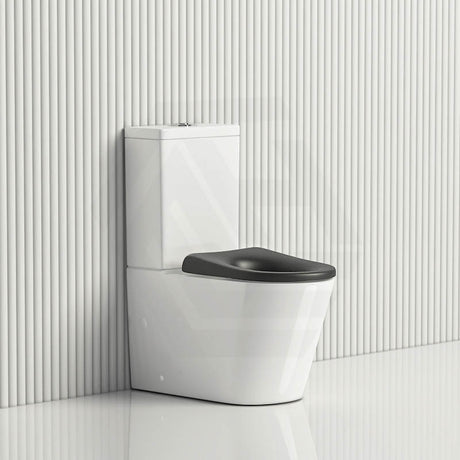
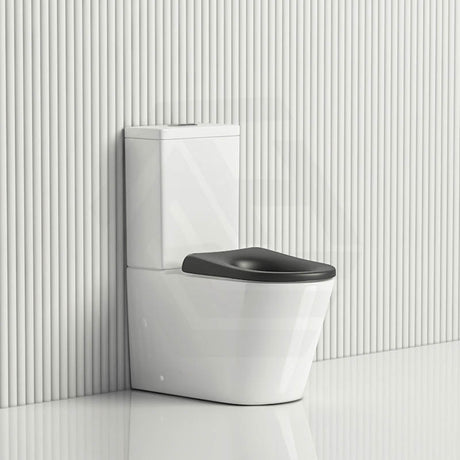
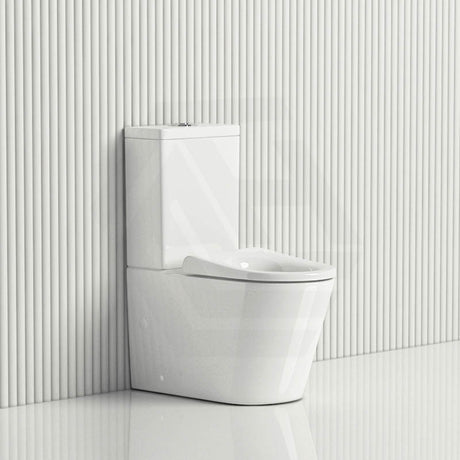
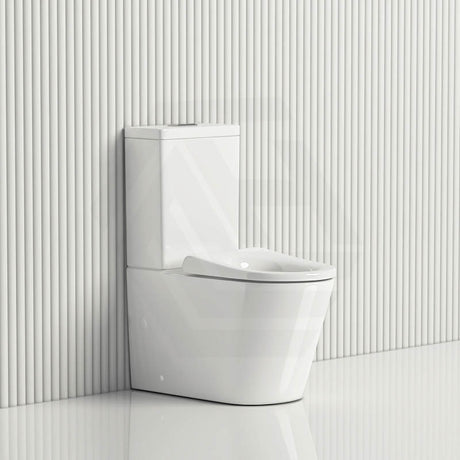
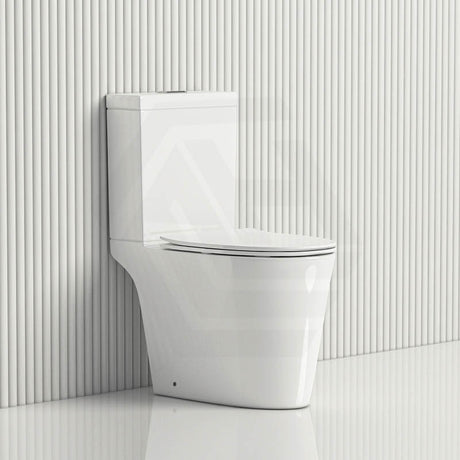
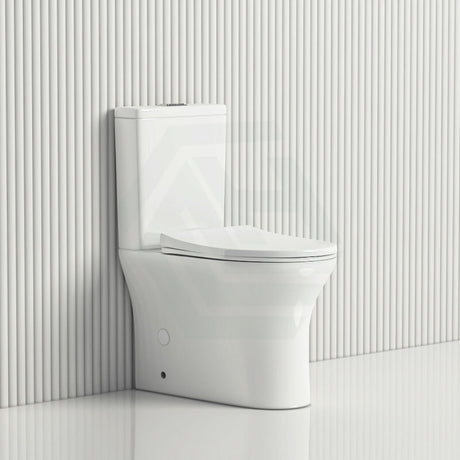
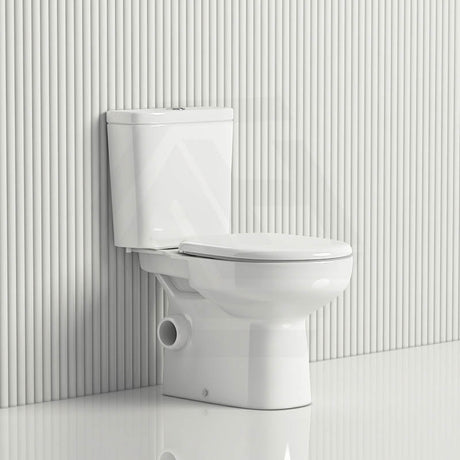
If you want a longer-term fix, kiddies toilets are worth a look — junior suites built from the ground up for smaller bodies. Fienza and Poseidon both produce junior suites sized and shaped with little kids genuinely in mind. At 385mm, the RAK junior pan is noticeably lower than the adult standard of 400–430mm — so little feet rest flat on the floor instead of swinging in mid-air. Solid footing does wonders for a child's confidence. The Fienza Stella Junior Suite is priced from $463 as a full suite; the Poseidon Wall Faced Rimless Junior Suite sits at $740 and includes a double flap seat — an inner child-sized ring and an outer adult ring — so every member of the family can use the same toilet with zero seat-swapping. Waste pipe connections must be done by a licensed plumber — for a straightforward like-for-like swap, the job usually wraps up in one to two hours.
Budget not stretching to a full junior suite? A quality toilet seat adapter that fits over an adult pan is a perfectly solid option. At $108, the Fienza Junior UF Double Flap seat is something you can fit yourself. Worth noting: a kiddies toilet and a seat adapter are two very different things — one replaces the whole fixture, the other just modifies what you've already got — and the better pick really comes down to your bathroom layout and what you're willing to spend.
A warm, well-lit bathroom with minimal clutter goes a long way. Nobody enjoys a cold, echoey bathroom — and a nervous two-year-old certainly won't.

Toilet Training Techniques and Daily Routines That Actually Work
Above all else, consistency is what counts. Regular sit times — after meals, before bath, first thing in the morning — lock in routine without turning the toilet into a whole production. Praise your child and stay upbeat — accidents aren't worth turning into a big deal. Honestly, a heartfelt "well done" beats any elaborate reward chart.
The biggest mistake parents make? Kicking off training before their child is actually ready. When accidents happen — and they will — keep your reaction calm and neutral; it's completely normal and getting frustrated won't help.
Mixed messages between childcare and home leave kids confused. All carers should use the same language, the same timing, and the same response to accidents.
The bathroom should feel safe and comfortable to your child. When the bathtub becomes a reliable wind-down cue and the bathroom feels calm and familiar, kids tend to feel at ease in that space full stop — and that ease naturally extends to the toilet. One last thing — the right time to start toilet training is your child's time, not the neighbour's, not the mother's group's.
References
State and territory plumbing licensing authorities (Building and Plumbing Commission Victoria; Building Commission NSW / NSW Fair Trading; Queensland Building and Construction Commission; Plumbers Licensing Board Western Australia (administered by Building and Energy); Consumer, Building and Occupational Services Tasmania; Access Canberra ACT; Office of the Technical Regulator / Consumer and Business Services South Australia; Plumbers and Drainers Licensing Board Northern Territory)