28 April, 2026
How to Unclog a Toilet: Quick Fixes That Actually Work
How to unclog a toilet fast: effective DIY methods using plunger, hot water and dish soap, bicarb & vinegar, and auger. Quick fixes that actually work for blocked toilets.

I never seem to have good timing when it comes to blocked toilets. My former years spent working in plumbing brought more than one panicked call on Friday evenings from homeowners with rising toilet bowls. The good news is though that most blockages are easily fixed by yourself, and all you need to start off with is what you'll probably have at home already.
The best way to stop a blockage becoming worse is to cease flushing the toilet straight away. If there's water level already in the bowl from previous attempts to unclog it yourself, any further flushing will cause it to overflow and turn a blocked toilet into an overflowing toilet, something you most certainly don't want to clean up.
Why Toilets Block and What to Do First
A toilet blocked due to an overabundance of toilet paper being flushed down the bowl is the leading cause of toilet blockages that I experienced over the years working in the trade. Toilet paper blocks were easily the cause of the majority of my callouts. Toilet blockages are also caused by objects that shouldn't be flushed down, which include but aren't limited to sanitary products and wet wipes, even some products labelled flushable! Partial toilet blockages over time can also be a source of frustration.
If you do notice that the toilet water level is higher than usual after flushing, place towels around the base of the toilet to protect your floor and turn off the water supply at the isolation valve behind the toilet cistern. This will stop the water from filling up again and ensure you have a dry area to work in in the event that you create more mess than you need to. If you have access to a secondary bathroom, send the household there until you've resolved the blocked toilet issue.

The Plunger Method: Getting Your Technique Right
A plunger is the first tool to try out when a toilet gets blocked, and there is a difference in the toilet plunger types available. For the best result, get yourself a flange plunger, which is the style that has the extra ring of rubber material that folds out from the inside of the cup portion. A flat cup plunger is for use on a sink drain and does not provide a solid seal over a toilet waste outlet.
Angle the plunger so water flows into the cup, then position it onto the waste outlet. Ensure the flange portion of the cup is well sealed over the waste outlet and push down slowly and lift sharply. The lift action should be forceful and is the motion that removes toilet blockages. Aim to repeat this action 10 to 15 times at regular intervals, and you'll notice a difference in resistance when the blockage has moved through the bowl. A lot of the time people tend to give up far too early, but it will likely take a few cycles for the blockage to move.

No Plunger? Three Household Methods That Work
If you don't have a plunger on hand, these three methods are worth trying before calling a plumber. Learning how to unclog a toilet without professional tools could save you a significant callout fee.
1.Hot water and dish soap.
Add a generous amount of dish soap to the toilet bowl and wait five to ten minutes, then pour from waist height a bucket of hot water. Do not use boiling water as it will damage the porcelain, but a bucket of hot water will add sufficient weight to dislodge blockages. Dish soap will add a degree of lubrication.
2.Bicarb soda and white vinegar.
Pour one cup of bicarb soda into the toilet bowl, followed by two cups of white vinegar. Allow the reaction to sit in the toilet bowl for approximately 30 minutes, then flush with hot water. This combination works well for both organic blockages and any residue that has built up in a toilet bowl.
3.The bucket flush.
Pour a whole bucket of warm water into a blocked toilet bowl in one go from about waist height. The weight of a bucket of water is enough to overcome a toilet blockage that the water from a cistern cannot. A cistern holds approximately 4.5 litres.
If you want to unblock toilet without plunger, the first two options tend to resolve the majority of partial toilet blockages. These methods will not work if the blockage has been caused by a solid object, but for toilet paper and organic matter they work very well.

When the Blockage Won't Budge: Augers and Professional Tools
If the above methods haven't been successful and you still haven't got your toilet unblocked, you may need to use an auger to remove the blockage. A toilet auger is available for around $30 to $60 at most hardware stores. It is a flexible cable and crank handle designed specifically for toilets and so will not scratch porcelain. Feed the cable end through the waste outlet into the S-bend. When you meet resistance, crank to dislodge or hook the object. It requires patience, but this tool will clear what a plunger cannot.
If the auger does not work, and if blockages persist over time, then call a licensed plumber. Ongoing blockages are usually tree roots, collapsed sections, or non-flushable material deep in the waste line. A CCTV drain inspection costs between $150 and $400 or more depending on access.
If your toilet's flush has weakened over time, replacing worn commode parts such as the flush valve and inlet valve can restore your flush pressure—sometimes the cheapest fix is a $20 part rather than fighting repeated blockages.

Preventing Blockages and Keeping Your Toilet in Good Shape
Preventing issues will be less expensive than a plumber's callout. The golden rule for keeping things clear is using just toilet paper. Don't use wet wipes, cotton buds, or sanitary products in a toilet, regardless of the product's packaging. Toilet paper disintegrates, and other objects do not.
Keep a regular maintenance schedule: don't use harsh chemicals, which will over time degrade PVC pipes and rubber components like seals in the cistern. Regularly clean the toilet with a toilet brush and standard bathroom cleaner. Learning how to clean a toilet properly is just as important as knowing how to unclog a toilet when things go wrong.
Be on the lookout for signs like slow, weak, and partial flushes. If you need to flush multiple times to get things clear, something is off—a flapper valve getting worn out, a rim that is partially blocked, or the cistern not filling properly. A blocked toilet fix often starts with recognising the issue with your toilet's flush performance before it becomes a full blockage.
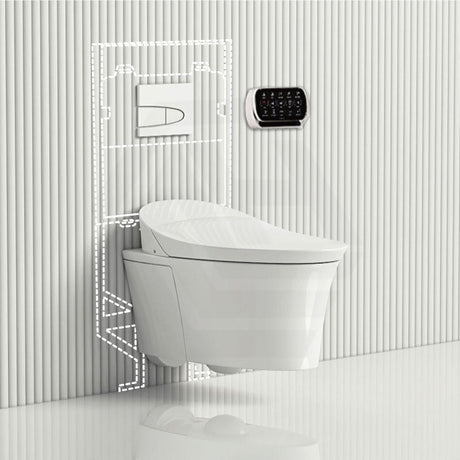
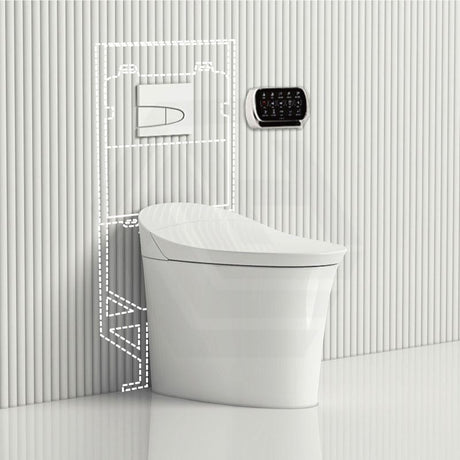
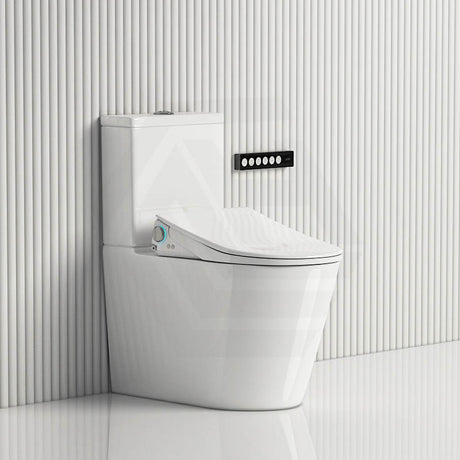
If you do decide to upgrade, rimless designs are better for preventing blockages. Water flows evenly around the bowl, and there are no rims for debris to get stuck in. Pairing a quality toilet suite with a bathroom vanity cabinet with sink from a trusted supplier means your whole bathroom works harder. For an enhanced level of comfort and hygiene, a smart toilet bowl with built-in bidet and self-cleaning functions takes maintenance to another level entirely.