11 May, 2026
Toilet Training Guide: When to Start and How to Succeed
Toilet training guide for Australian parents: key readiness signs, when to start, and practical routines to succeed. Help your child build confidence with these proven potty training tips.

Video Credit: Emma Hubbard
How to Tell If Your Child Is Ready to Start Toilet Training
The question I get the most from parents is: how do I know when my child is ready? And it is a serious question, because you shouldn't be toilet training too early. The Raising Children Network explains that while most kids show readiness signals between 18 months and three years, it all depends on when they are ready, not what age they are.
The signs to watch for can be physical, behavioural and cognitive. Usually, kids can go dry for a minimum of at least two hours at a stretch. They can pull their pants up and down. They know when their nappy is wet or soiled. Your child tells you that they have to go to the toilet while or after a nappy change. And they can follow simple two-step instructions.
Starting toilet training before your child has shown these signs may make the process take a lot longer and can create unnecessary frustration for everyone involved.

How to Set Up a Toilet Training Routine That Actually Works
Knowing when to start toilet training is the first step — the next is helping your child build a consistent routine. Try sitting your child on the toilet at regular times during the day: after they wake up, before and after meals, before a nap, and before bed.
Sitting your child for two to three minutes at a time will help them get familiar with the process. Don't worry if your child doesn't pee or poo during this time — that isn't the aim right now.
Using a potty seat insert on the toilet will help give your child a feeling of security. Make sure they have a step stool to place their feet on — without it, your child may feel unsettled on the toilet. You can use rewards like a sticker chart, praise, and a small treat to encourage your child.

Practical Potty Training Tips to Speed Up Progress
There are other ways to help your child use the toilet. These potty training tips can help the habit stick faster.
Instead of using a nappy or pull-up, have your child use training pants or undies during the day. They give a wetting sensation and can encourage your child to stay dry. Many parents report regretting switching to pull-ups early — they feel too much like a nappy and can slow toilet training progress.
If your child wets themselves at night, that doesn't mean toilet training is going slowly. It is simply biology. Most children achieve reliable daytime dryness many months before night-time control follows naturally — you shouldn't rush night-time training if your child isn't ready.
For outings, locate the nearest public toilet before you need it. Pack a spare change of clothing but don't make it a big deal — accidents happen and it's best not to draw attention to them. The biggest mistake parents make is showing visible frustration about an accident. Children are very aware of your reaction, and it introduces anxiety into a process that should feel entirely low-stakes.

Handling Toilet Training Regression Without Losing Ground
No matter which potty training tips you use, many children will experience at least one setback is understanding why toilet training regression happens makes it far easier to manage when it does.
Regression often follows change: a new sibling arriving, starting childcare, illness, or a house move. The child is not being defiant; they are managing stress the only way they know how, and temporarily losing a recently acquired skill is a completely normal response.
To help your child, simply return calmly to the basics of the original routine. Reduce expectations and work on rebuilding their confidence. Take accidents in your stride as another learning opportunity. If toilet training regression continues for longer than four to six weeks without a clear cause, or your child seems to be in pain when using the toilet, consult your GP or paediatric nurse.

Choosing the Right Toilet Setup for Your Home
One thing many parents overlook as part of their toilet training approach is the toilet itself. A standard toilet pan sits at 400 to 420mm high, which is manageable for younger children with the help of a step stool. A junior toilet sits closer to the ground — the RAK Junior Pan, for example, sits at only 385mm. This allows children to use the bathroom independently with their feet resting comfortably on the floor, and that extra independence can genuinely speed up toilet training.
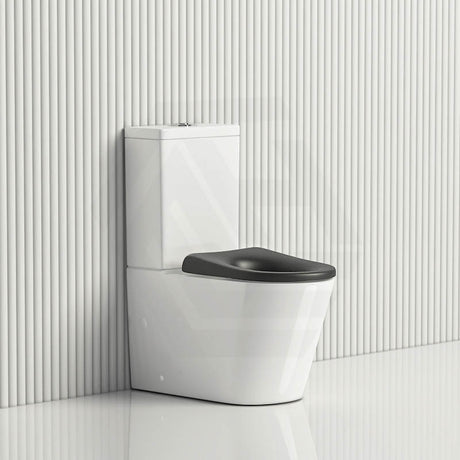
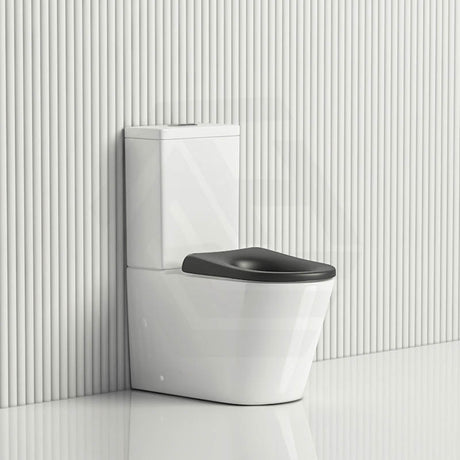
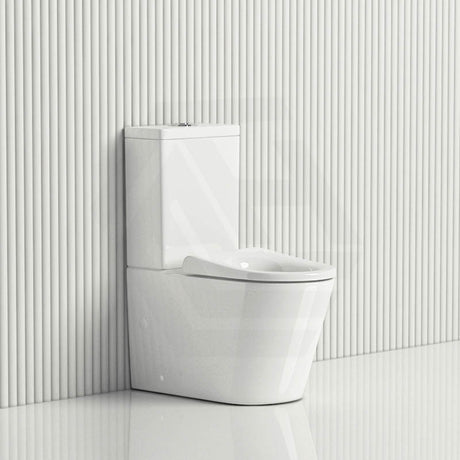
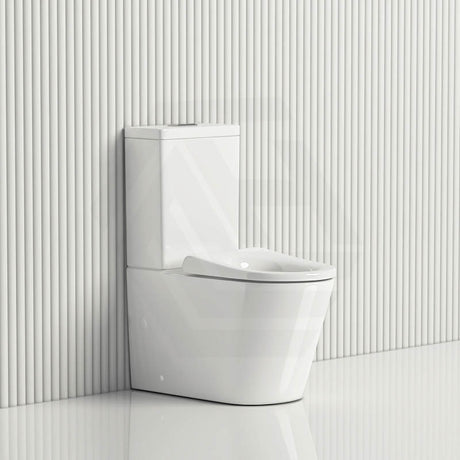
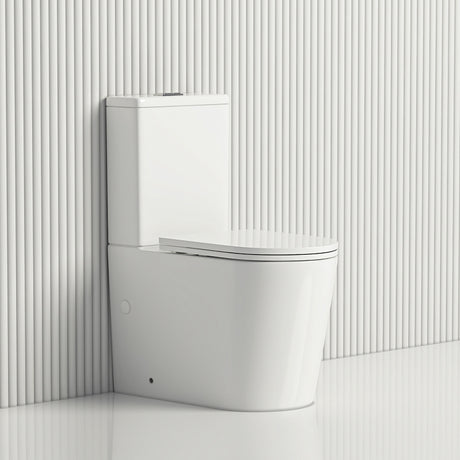
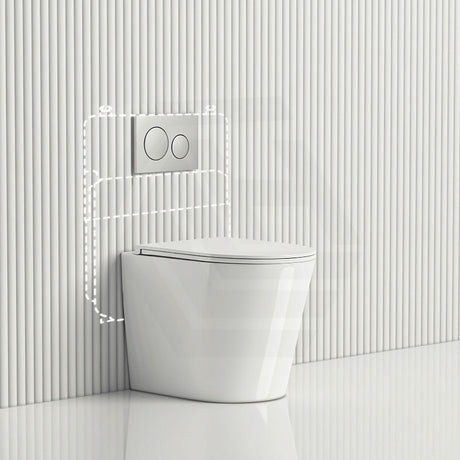
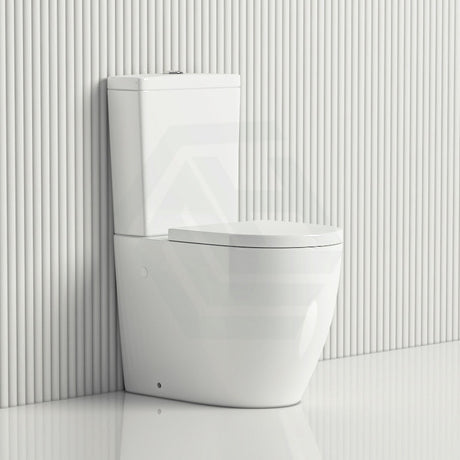
A back to wall wc is another practical choice during this time, as it has no gap to the floor, making cleaning considerably easier. It is something easy to overlook when deciding which back to wall toilet bowl you want in your bathroom renovation, but it can make a real difference day to day.
If anyone in the household has a disability, you will also need to consider toilet height, clearances, and the proximity of grab rails. Have a look at our range of toilets for disabled people for an idea of what is available.
Every WC suite sold in Australia must be WaterMark approved — worth confirming before you commit to a purchase.
References
WaterMark Certification Scheme, Australian Building Codes Board