17 June, 2026
WC Meaning Toilet: A Plain Aussie Explanation
Wondering about wc meaning toilet? Learn what WC stands for, its water closet origins, and how Australians use the term today.

If you've ever come across the letters 'WC' in a bathroom of a floor plan, brochure or bathroom product specs and thought – what does it stand for? – then you're not alone. Everyone seems to use the term 'wc meaning toilet' even when they don't tell us what the WC actually means.
So, in summary, the WC on a plan is short for 'water closet'. And wc meaning toilet is the same in Australia.
Video Credit: 3DI
What Does WC Stand For?
Water closet is the British plumbing term for it from the 19th century. At that time, if you had a water closet – a toilet connected to a water flush – in your home you were very well off. It became a 'room' in its own right so it was given a proper name. The abbreviated version has continued to this day, and you will see it used in floor plans, signage and building documents.
In Australia, wc meaning toilet is more commonly seen in building plans and drawings, renovation product specs and in European product brochures. If you look at a drawing of your house and a small room is referred to as WC, that is your toilet. That is all.
Note, wc meaning toilet in a building plan or architectural plans in Australia can either mean the toilet room, the toilet fitting or both. To a plumber looking at plans it should be enough to tell which one is being referred to.

WC vs Toilet: Is There a Difference?
In Australia, no. They are the same.
If you're buying a new toilet or having a toilet repaired or replaced by your plumber, or even looking at a toilet label in a hardware store or showroom – it would be referred to as a 'toilet'. However, on architectural drawings, European product documentation or in building specs you would see it referred to as wc meaning toilet. In a building contractor's quote you might also see wc meaning toilet used to refer to both the WC fitting and the WC room. This will especially be the case if the contractor is installing a particular European product in the bathroom as part of a renovation.
In other words, if a quote says WC installation then that is your toilet installation. Same thing, just a different tag.

Types of WC Toilets Common in Australian Homes
It's not always clear from a toilet image which toilet configuration you will be dealing with. Also, the type you select can have real plumbing implications.
The three most common configurations of toilets are:
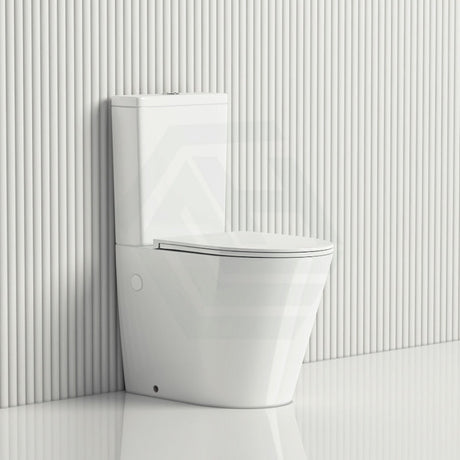
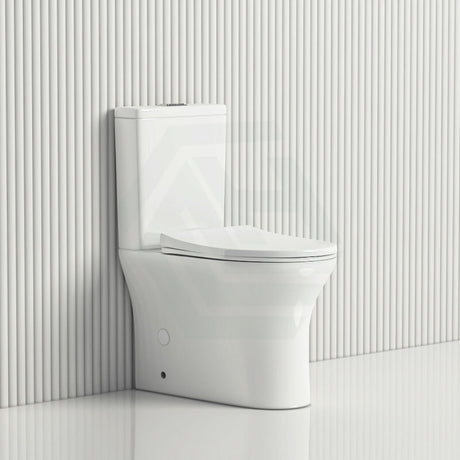
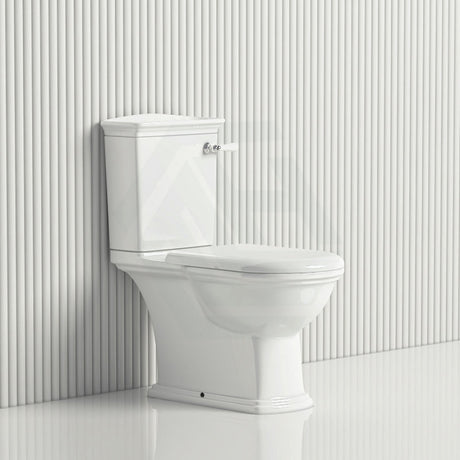
Close-coupled – the toilet cistern sits directly on top of the toilet pan as a single unit. This is the most common configuration of toilet installed in Australian bathrooms. It's a cost-effective solution, easy to maintain and suitable for most bathroom sizes.
Back-to-wall – the toilet pan sits flush against the wall and the toilet cistern is hidden behind a wall cavity or in cabinetry. It offers a clean, minimal look and makes floor cleaning easier. Back-to-wall pans can start from $185.
Wall-hung – the toilet pan is mounted directly to the wall with no floor contact, and the toilet cistern is also concealed within the wall structure. You can expect to save 150–200mm of floor space with a wall-hung option compared to a floor-mounted toilet, which is a genuine plus in smaller bathrooms. Prices for wall-hung pans range from $303 to $934 for the pan alone. In-wall cisterns are purchased and fitted separately.
One final note about your rough-in measurements: if you are replacing a toilet that is currently in the room, always check your rough-in (often referred to as setout) measurement first. The trap setout — the distance from the centre of the sewer pipe to the wall behind — for an S-trap (floor outlet) is typically 100–120mm. A P-trap (wall outlet) is usually 185mm. Incorrect measurements will make it impossible to connect your new toilet to your existing waste pipe, and that is an expensive mistake.
All toilets sold in Australia must comply with AS/NZS 3500.2:2025 for sanitary plumbing and drainage connections.

Choosing the Right WC Toilet for Your Bathroom
You have your rough-in measurements, but there are some other considerations before you purchase.
Your toilet suite needs to be WaterMark certified. All plumbing products sold in Australia must be WaterMark certified — a licensed plumber cannot legally fit an uncertified product. You should also check your toilet's water efficiency rating. A toilet with a 4-star WELS water efficiency rating uses 4.5 litres on full flush and 3 litres on half flush. Over the lifetime of your toilet, this saves many thousands of litres of water.
Toilet height is another key consideration. Standard toilet pan height is 400mm, while comfort height is 460mm. The higher 460mm height is better suited to tall people or those with mobility issues. If you have the chance, try sitting on it in the showroom — many people forget to do this and regret it later.
If easy maintenance and cleaning is a priority, a rimless toilet suite is worth considering. Without a rim channel, there is nowhere for bacteria to build up, making your toilet much easier to keep sanitary. Rimless flushing and soft-close seating is now common across most mid-to-high-end toilet suite models.

WC Toilet Costs and Installation in Australia
A close-coupled toilet suite will cost $200–$600. A back-to-wall toilet suite ranges from $400–$900. If you're opting for wall-hung, expect to pay more — a wall-hung toilet pan ranges from $303–$934, and an in-wall toilet cistern costs a separate $165–$1,283 depending on brand and system. Two of the most commonly specified in-wall cistern brands in Australian renovations are Geberit and R&T. A complete in-wall toilet suite including the toilet pan, toilet cistern and carrier frame will cost between $543 to $1,284.
Costs vary across Australian states and local conditions. A like-for-like toilet replacement costs around $150–$400 by a licensed plumber. New rough-ins or wall framing will add to this. To be clear — all toilet installation work, including connecting to a waste pipe and water supply, must be carried out by a licensed plumber regardless of state or territory. This is not a DIY job. Once complete, your plumber must provide a compliance certificate, which your insurer and future property buyers will require.
One last point — if you are buying a toilet pan from a wall-hung suite, the toilet seat is generally not included, so add it to your list. Toilet seat prices start from around $30. A quality soft-close, quick-release toilet seat starts from around $250 — the quick-release mechanism makes it much easier to remove the toilet seat for a thorough clean underneath.
References
AS/NZS 3500.2:2025 Plumbing and Drainage — Sanitary Plumbing and Drainage, Standards Australia
WaterMark Certification Scheme, Australian Building Codes Board
AS/NZS 6400:2016 Water efficient products — Rating and labelling (incorporating Amendment No. 1:2022 and Amendment No. 2:2022), Standards Australia
State and territory plumbing licensing authorities (Building and Plumbing Commission Victoria; Building Commission NSW / NSW Fair Trading; Queensland Building and Construction Commission; Plumbers Licensing Board Western Australia (administered by Building and Energy); Consumer, Building and Occupational Services Tasmania; Access Canberra ACT; Office of the Technical Regulator / Consumer and Business Services South Australia; Plumbers and Drainers Licensing Board Northern Territory)