09 July, 2026
What is a Vanity?
Discover what is a vanity, how basin, cabinetry and plumbing combine into one unit, and which style suits your Australian bathroom best!

If you've ever strolled through a bathroom showroom only to have no idea where you were going among the floating vanities, stone benchtops and vessel basins around you, you're not the only one. One of the most common questions I get asked when people are thinking about their first bathroom renovation is "What exactly is a vanity?"
It's a fairly basic question, however some retailers and brands can describe their products in ways that cloud the meaning quite a bit.
Video Credit: Daniel Titchener
So What is a Vanity?
Put simply, a bathroom vanity is a cabinetry (or open frame) unit, and a basin, with the plumbing hidden inside, behind or under. That's it — fairly simple really.
The key difference between a vanity and, for example, a pedestal basin or a wall-hung basin, is that the vanity comes with a storage option. A pedestal basin does hide the plumbing but does not offer any storage. A wall-hung basin is just the basin and no storage under. The vanity is the basin plus a cabinet under, which can make a massive practical difference for an active home.
Most Australians have the vanity in mind as the full unit — the cabinet, the benchtop and the basin, but it's worth noting that often these parts can be bought separately.
So with a basic understanding of what is a vanity and what it does, the next logical step is to find out the different vanities there are out there. Because which type you go with will affect everything, from your plumbing set up to your overall storage.

Bathroom Vanity Types
There are four common vanity types you'll find on the bathroom design scene in Australia. Each suits a slightly different situation.
Wall-hung, also known as floating vanities, are massively popular at the moment and for good reason. Mounted on the wall with no floor contact, the feel of the room will be more spacious and easier to vacuum and mop. You'll want to make sure the wall can support it though before you fall for a particular vanity, meaning it may require studs and additional noggings to support the load. Prices can start as low as $300 for basic PVC and go as high as $2,828 for quality plywood units from Aulic, which is Australian-made.
A freestanding vanity sits on its own legs or has a solid unit to itself — the more conventional option that's easier to install and generally less fiddly on an older home. Prices can range from $238 to $1,378 AUD. Corner vanities are a great option for the small bathroom or awkward powder rooms where every mm can be squeezed. Double bowls (1,200mm wide and above typically) are for bigger ensuites that are shared. The Block has been pushing double bowls for ages and you can see why.
Once you've worked out which vanity type is for you, you'll then want to know which materials you can choose. This decision is crucial because choosing the wrong material for a wet environment is something you could very well end up paying for down the road.

Key Materials: Cabinets, Tops, and Sinks
Here's where things get genuinely tricky — the cabinet carcass matters more than most people realise, and your material choice is critical. PVC board is waterproof all the way through, copes brilliantly with humidity, and the pricing is solid — there's no real trade-off here. MDF gets used a lot — it takes paint beautifully and sits comfortably in the mid-range on price. The catch, though? Standard MDF has zero waterproofing. Moisture-resistant (MR) grade to AS/NZS 1859.2:2017 is what you need — skip that spec and you're asking for problems down the track. Every edge and join needs a proper seal too — don't skip that step. For cabinetry, plywood is still the top-tier pick — brands like Aulic and CETO are good examples — with genuine moisture resistance, solid strength, and a real timber-grain aesthetic.
Engineered stone and quartz sit at the premium end of benchtop options — tough, barely any upkeep, and genuinely good-looking. Laminate is the budget-friendly route, and honestly the quality has improved enormously in recent years. Natural stone is a beautiful option, but it requires regular sealing and it's heavy — your cabinet needs to be up to the task structurally. Ceramic tops come integrated with an overflow as standard, which means water spills aren't a drama — just double-check before you buy, because some models do come without one. Poly tops skip the overflow, but they're easier on the wallet.
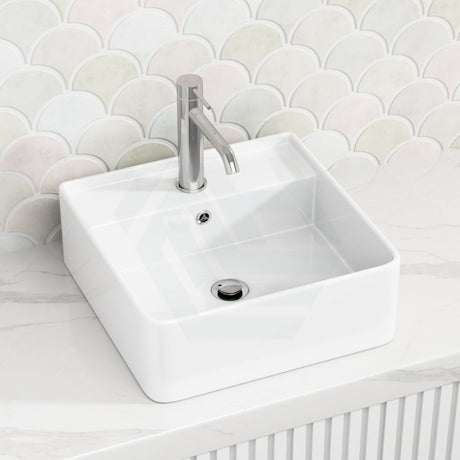
The basin itself is a separate decision you'll need to work through. Vessel-style basins perch right on top of the vanity — think a bowl sitting on a table — and they make a bold visual statement. Tucked beneath a stone or solid-surface benchtop, undermount basins give you a clean, uninterrupted line across the top. Inset basins — also called drop-in — are the classic, go-to style most people are familiar with. Wet areas fall under waterproofing requirements set out in the National Construction Code (NCC), so a qualified waterproofer will need to membrane around your vanity before the job's done.

Sizing, Storage and Specs
Standard Australian widths include 400–500mm (for powder rooms), 600mm, 750mm, 900mm (the most popular single-basin size) and for double configurations, 1,200mm, 1,500mm and 1,800mm. Depth is 450mm and the standard benchtop height is 860mm — though for taller households, 900mm is common. You will need a minimum 600mm clear space in front of the vanity for accessibility and comfort. Side clearance also matters in relation to your door swing and proximity to other fittings.
On storage, I recommend a bathroom vanity with sink with both door and drawer — the drawer for small items and the door for larger ones. Soft-closing doors and drawers are pretty standard for anything mid-priced and above. Aulic and CETO vanities feature Häfele German hardware. Adjustable internal shelving is a small detail that makes a massive difference over years of regular use.

Choosing and Buying Your Vanity in Australia
Make sure the basin is WaterMark certified before you buy anything. WaterMark certification is a mandatory national requirement for plumbing and drainage products, and if your vanity doesn't carry the WaterMark logo you run the risk of being rejected by your local plumbing regulator — and you do not want to add to your reno headaches.
You'll also want to confirm the rough-in measurement, waste position and tap-hole configuration before you order. All of this affects whether a pre-assembled unit will actually fit, with or without some plumbing adjustments. Expect a wait time of four to eight weeks for custom and semi-custom vanity units from CETO and Lukka, so plan accordingly.
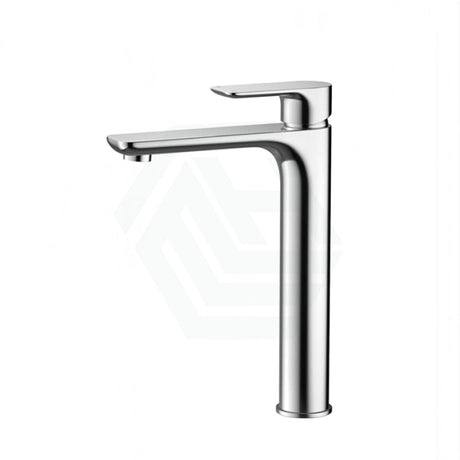
Budget for plumbing and installation too. In all Australian states and territories, a licensed plumber must connect the basin, mixer and waste — a standard swap-out can be done in two to four hours. The cabinet will usually arrive built, but the plumbing is not a DIY job. Note that a basin mixer and waste are often not supplied with the cabinetry, so check exactly what is in the box when doing your budget. MyHomeware has a vanity range featuring over 400 products in a wide range of styles, sizes and configurations ($19 to $2,828), making it a great place to start if you know what you're looking for.
If you're specifically after a freestanding vanity, the range covers everything from compact single-basin units to generous double-bowl configurations.
References
AS/NZS 1859.2:2017 Reconstituted wood-based panels — Specifications, Part 2: Dry process fibreboard, Standards Australia
National Construction Code 2025, ABCB Housing Provisions, Part 10.2 Wet area waterproofing
WaterMark Certification Scheme, Australian Building Codes Board
State and territory plumbing licensing authorities (Building and Plumbing Commission Victoria; Building Commission NSW / NSW Fair Trading; Queensland Building and Construction Commission; Plumbers Licensing Board Western Australia (administered by Building and Energy); Consumer, Building and Occupational Services Tasmania; Access Canberra ACT; Office of the Technical Regulator / Consumer and Business Services South Australia; Plumbers and Drainers Licensing Board Northern Territory)