15 January, 2026
How to Unblock a Kitchen Sink: Effective Methods
Unblock kitchen sink fast: Fix grease, food & soap clogs with boiling water, plunger, baking soda/vinegar or drain snake. Easy DIY steps & prevention tips for clear drains!

A blocked kitchen sink is one of those problems that always shows up at the worst time. Water won’t drain, the sink starts smelling odd, and suddenly, even washing one plate feels like a chore. You may wonder, how do I unblock a kitchen sink?
In most cases, the blockage comes from everyday things. Grease, food scraps, soap residue, or coffee grounds slowly build up until water can’t pass through. Before you call a plumber or panic about expensive repairs, it’s worth trying a few simple fixes at home.
In this article, we’ll look at easy, practical ways to help you unblock a kitchen sink using tools and items you likely already have. Let’s begin!

Signs that Your Kitchen Sink Is Blocked
A blocked kitchen sink drain usually gives you a few clear clues. Spotting them early makes it easier to fix the problem before it gets worse.
- Slow Drainage: Water taking a long time to go down is usually the first red flag. This happens when grease, food scraps, or soap residue start sticking to the inside of the pipe. At this stage, the blockage isn’t complete, but it’s building up.
- Gurgling Or Bubbling Sounds: If you hear strange noises when water drains, that’s trapped air trying to escape. The pipe is partially blocked, forcing air back up through the drain instead of letting water flow smoothly.
- Unpleasant Drain Smells: A blocked sink often smells bad. Food waste and grease sit in the pipe, break down, and release odors. If the smell keeps coming back, flushing with water won’t fix it.
- Water Backing Up Into The Sink: When you run the tap and water rises instead of draining, the blockage is getting serious. You may also notice this when using the dishwasher, as both share the same drain line.
- Standing Water That Won’t Drain: This is the clearest sign of a full blockage. Water stays in the sink no matter how long you wait, and using the sink can cause spills or leaks.
Common Causes of a Blocked Kitchen Sink
The blocked kitchen sink usually builds up over time, not all at once. Knowing the most common causes makes it easier to spot bad habits and stop clogs before they turn into bigger problems.
- Grease and Cooking Oil: Hot oil looks fine when you pour it down the sink, but it cools fast inside the pipes. Once it hardens, it sticks to the pipe walls and traps other debris. Over time, this creates a thick, stubborn blockage.
- Food Scraps: Small food bits may slip past the strainer, but they don’t always make it all the way through the system. Rice, pasta, coffee grounds, and vegetable peels are especially good at clumping together and slowing water flow.
- Soap Residue: Dish soap can mix with grease and form a sticky film inside the pipes. This layer grabs onto food particles and makes blockages worse.
- Foreign Objects: Items like bottle caps, labels, or bits of plastic can accidentally fall into the drain. These don’t break down and can quickly cause a blockage.
- Old Or Poorly Sloped Pipes: In older kitchens, pipes may be worn or incorrectly angled. When water can’t flow freely, waste settles instead of moving away.
What You'll Need to Unclog a Kitchen Sink?
Before you start tackling a clogged kitchen sink, it helps to have the right tools and supplies on hand. Having everything ready can save time and prevent frustration. At a minimum, you’ll want:
- Boiling water or a kettle: To help loosen grease and soap buildup in the drain.
- A plunger: Preferably a flat-bottomed sink plunger, which creates a better seal than a toilet plunger.
- Baking soda and vinegar: It's a good sink block cleaner for a natural chemical reaction that can break down mild clogs without harsh chemicals.
- A drain snake or a straightened coat hanger: For removing deeper blockages in the pipe.
- Gloves and towels: To protect your hands and catch any spills or messes.
- A bucket: Essential for catching water when cleaning the P-trap or removing pipes.
How to Unblock the Kitchen Sink: 5 Easy Methods
So, how do you unblock a kitchen sink? Start with these 5 methods. They fix most kitchen sink clogs and don’t require special tools or chemicals. Take them in order. Simple first, stronger next.
Method 1: Flush the Blockage With Hot Water
This method works best when the sink is draining slowly rather than being completely blocked. Most kitchen clogs start from grease, oil, soap residue, and food fat that cool and stick to the inside of the pipe. Hot water helps soften and loosen this buildup so it can move through the drain again. Here's how you can unclog a kitchen sink with hot water.
Step 1: Heat a large pot or kettle of water until it is very hot, but not violently boiling if your pipes are plastic.
Step 2: Pour the water directly into the drain in a slow, steady stream.
Step 3: Wait for a minute, then turn on the tap to check if the water drains normally.
Step 4: If the water still drains slowly, repeat the process once more.
If the sink starts draining better, that means grease was the main issue. This method is simple, but it won’t help if the blockage is solid or caused by food scraps packed together. Also, avoid using boiling water on PVC pipes because extreme heat can weaken the joints over time.
Method 2: Use a Plunger to Dislodge the Clog
When hot water doesn’t work, the blockage is usually thicker or sitting deeper in the pipe. A plunger can help. It works by creating pressure that loosens the clog instead of pushing it further down. This method is very effective for food waste and soft debris. Here's how to do it:
Step 1: Add enough water to the sink to cover the drain opening.
Step 2: Place the plunger firmly over the drain to form a tight seal.
Step 3: Push the plunger down and pull it up forcefully several times.
Step 4: Remove the plunger and see if the water drains away. Repeat if needed.
For double sinks, block the second drain with a wet cloth so the pressure stays focused. A flat-bottom plunger works better than a toilet plunger for sinks. If you hear a gurgling sound or see water suddenly rush down, the blockage has likely broken apart.
Method 3: Break Down the Clog With Baking Soda and Vinegar
This method is useful for organic buildup like grease, food residue, and soap film. It doesn’t rely on force but on a chemical reaction that helps loosen what’s stuck in kitchen sink to the pipe walls. Here's how to unclog a kitchen sink with standing water.
Step 1: Remove any standing water from the sink.
Step 2: Pour one full cup of baking soda directly into the drain.
Step 3: Slowly pour one cup of white vinegar into the drain.
Step 4: Cover the drain and let the mixture sit for about 15 minutes.
Step 5: Flush the drain with hot tap water.
The bubbling reaction helps break down residue and push it further along the pipe. This method is safe for regular use but won’t clear heavy blockages. If the sink improves but doesn’t fully drain, you can repeat the process once more.
Method 4: Remove the Blockage With a Drain Snake
When the clog refuses to move, it’s usually because solid debris is trapped deeper in the pipe. A drain snake reaches into the drain and physically pulls the blockage out instead of trying to wash it away. This method works well for food scraps, hair, and thick grease buildup. Here's how to do it;
Step 1: Insert the tip of the drain snake slowly into the drain opening.
Step 2: Push it down gently while turning the handle to help it move through bends in the pipe.
Step 3: When you feel resistance, stop pushing and rotate the snake to latch onto the blockage.
Step 4: Pull the snake out slowly, bringing the debris with it.
Step 5: Run hot water to check if the drain flows freely.
If you don’t own a drain snake, a straightened wire coat hanger with a small hook can work as a backup. Be careful not to force the tool too aggressively, as that can push the clog further down or damage the pipe.
Method 5: Clean the P-Trap Under the Sink
If none of the above methods work, the blockage may be sitting in the P-trap. This curved pipe under the sink is designed to catch debris and prevent sewer smells, but it also traps grease and food over time. To unblock the kitchen sink completely, you can:
Step 1: Place a bucket or bowl under the P-trap to catch water and debris.
Step 2: Loosen the slip nuts on both sides of the curved pipe by hand or with pliers.
Step 3: Remove the P-trap and empty its contents into the bucket.
Step 4: Rinse the pipe thoroughly and remove any stuck debris.
Step 5: Reattach the P-trap, tighten the connections, and run water to test the drain.
This method can get messy, but it’s one of the most effective fixes for stubborn kitchen sink clogs. After reassembling, always check for leaks while the water is running. If the sink still won’t drain after this, the blockage may be deeper in the plumbing system. At that point, calling a plumber is the safest option.
When Do You Need Expert Help for a Blocked Kitchen Sink?
Some clogs are just too stubborn or deep in the plumbing for DIY fixes. If water still drains slowly after trying boiling water, plunging, or baking soda and vinegar, it may indicate a larger problem in the pipes. Unusual noises, foul odors, or repeated backups are also signs that professional help is needed. Additionally, if you’ve attempted to clean the P-trap or use a drain snake and the clog persists, it’s best to call a plumber.
Attempting advanced fixes without the right tools or experience can worsen the problem, leading to leaks or pipe damage. A licensed plumber can quickly identify the issue, clear the blockage safely, and ensure your sink drains properly.
Quick Reference Table: Unclogging Methods and When to Use Them
Here’s a simple table to help you quickly see which method works best depending on the type of clog or situation in your kitchen sink. It’s a handy guide for quick decision-making.
| Method | Best For | Ease of Use | Effectiveness | Notes |
| Boiling Water | Minor grease or soap buildup | Very Easy | Moderate | Avoid with PVC pipes; repeat if needed |
| Plunger | Stubborn but near-drain clogs | Easy | High | Use a flat-bottomed sink plunger for best results |
| Baking Soda & Vinegar | Light blockages, routine maintenance | Easy | Moderate | Works naturally, may need multiple attempts |
| Drain Snake / Wire Hanger | Deep or tough clogs | Moderate | High | Take care not to push clog further down |
| Clean P-Trap | Severe or recurring clogs | Moderate | High | Requires disassembly; wear gloves and catch water |
| Call a Plumber | Persistent or complex clogs | —— | Very High | Best if DIY methods fail or pipes are damaged |
How Can I Prevent Kitchen Sink Blockages?
Preventing kitchen sink blockages gets much easier with a few simple habits. Small changes can stop grease and food from building up in the pipes, so the drain stays clear for longer.
- Keep grease, oil, and coffee grounds out of the drain. Grease and oil cool and harden inside pipes, and coffee grounds collect in bends and trap other debris.
- Use a sink strainer every day, so food scraps and small bits get caught before they slip into the drain and start forming a clog.
- Flush the drain regularly with hot water, or baking soda and vinegar, to help loosen early buildup before it turns into a stubborn blockage.
- Run cold water with the disposal since cold water helps keep grease from melting and coating the pipe, and it pushes small pieces through more cleanly.
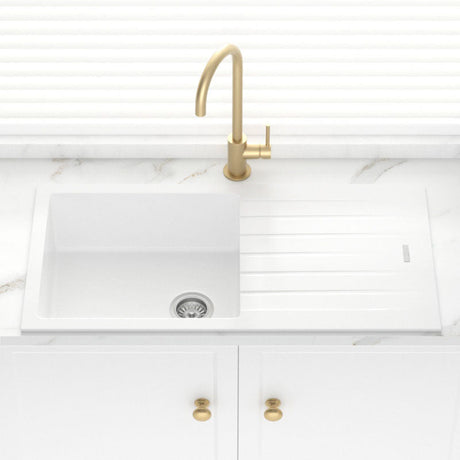
- Choose kitchen sinks with smooth surfaces and good drainage because smoother finishes collect less residue, and better drainage reduces standing water where grime can gather.
- Pick well-designed kitchen tapware because steady water flow and smooth finishes can reduce splashing and residue around the drain area, which helps cut down on buildup.

Conclusion
Unclogging a kitchen sink can feel much easier once you know how to unblock kitchen sink the right way. Most clogs come from food bits, grease, or soap buildup. Many clear up with boiling water, a plunger, or baking soda and vinegar. Tougher clogs may need a drain snake or cleaning the P-trap. Acting early helps stop the blockage from getting worse.
Good habits help, but the right setup matters too. A well-made sink and strong plumbing can reduce repeat clogs over time. MyHomeware has kitchen sinks and accessories that suit everyday use and are easier to keep clean. Explore today!