

25 May, 2026
How Much Does It Cost to Change a Toilet: a Step-by-step Aussie G
Wondering how much does it cost to change a toilet in Australia? Our step-by-step guide covers parts, labour and what affects the price.

There's a particular kind of dread that sets in when you're standing in the bathroom staring at a toilet that won't stop running, has a crack in the pan, or is just flat-out ugly — and the thought surfaces: "Right, that's enough." It's time to get this out of here." Before the tape measure comes out or anyone gets called, one question shoves everything else aside: what's this toilet swap actually going to set you back? Fair question, that — though the answer's messier than most folks bargain for.
The Real Reasons Aussies Replace a Toilet — and When It's Worth It
The most common reasons to replace a toilet include a leak from the bottom of the unit, a cracked base or cistern, broken push button or a suite so old and water-thirsty you dread opening your next water bill. An old toilet is an expensive drain on the water bill, especially a unit that has no WELS rating or has a low three-star rating; four-star toilets flush at just 4.5 litres full and 3 litres half. Every time you push the button you can literally flush money away.
But sometimes it's all about renovation. Perhaps you've already had your floors re-laid and your walls re-painted and now that beige 1994 toilet suite doesn't match your walls, painted Dulux Vivid White, very well at all. Completely valid reason.
However, before you pull the trigger on a replacement, consider the repair-or-replace question first. A leaking seal, for example, or a failed inlet valve — that's often a straightforward fix for a licensed plumber at a fraction of the cost of replacing the whole toilet. On the flip side, a cracked toilet or a suite older than 15 to 20 years, replacement is generally the more cost-effective and permanent solution.
When you've made the decision to get a new toilet installed, what are the biggest factors that will influence the final cost?

What Actually Pushes the Price Up When You Change a Toilet
Three things shape the price above all else: the suite you pick, the existing setout, and your location. Setout is the measurement from the wall to the centre of your floor waste pipe — and it matters more than most people think. S-trap toilets have a standard setout of 100 and 120mm back from the wall. Mismatch that spec and your plumber's modifying the sewer connection — that's when the bill starts climbing fast.
Labour rates vary a fair bit from state to state. Sydney and Melbourne plumbers generally charge somewhere in the $80 and $150 per hour range. Regional areas can be a bit cheaper, though don't count on it. One more thing — state plumbing licensing laws mean your plumber must give you a compliance certificate when the job's finished.
Get your head around those factors and the individual line items — right through to the final installed price — start making a lot more sense.

Breaking Down the Cost: Labour, Materials, and the Extras
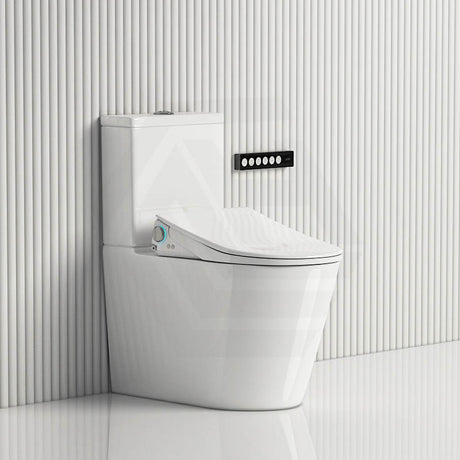
Here's where the real numbers come in. At the entry level, Poseidon and Macho suites generally sit in the $185 to $400 bracket. Fienza suites include rimless flush, soft-close seat included which all sit in the $400 and $800 range. Wall-hung suites from Kohler are another matter entirely — the price sails past $900 before you've even added the in-wall cistern.
Most standard swaps wrap up in one to two hours of actual labour, meaning the bathroom's back in action two to three hours after the plumber arrives. The old suite comes off, the new one goes on, and then it's a leak check — that's the job in a nutshell. At $80 and $150 per hour, the labour component alone runs you $160 to $300. Tally up the isolation valve, a 300mm to 450mm braided flexi hose, silicone, disposal of the old suite, and the compliance certificate, and the realistic total lands somewhere between $350 and $1,200-plus — suite choice and extras drive where exactly.
Sanitary plumbing connections fall under AS/NZS 3500.2 — hiring a licensed plumber isn't optional, it's the law.
Once you've got a handle on suite costs, choosing the right toilet type for your bathroom and your budget gets a whole lot simpler.

Which Toilet Type Actually Fits Your Bathroom — and Your Budget
In Australia there are three different types of toilet suite that homeowners are choosing between. The difference between each is in the method of installation, cost, and suitability for your bathroom.
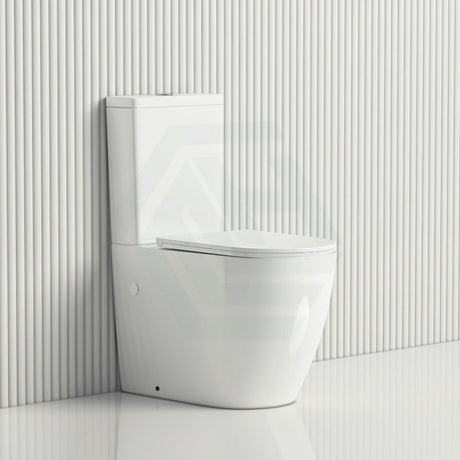
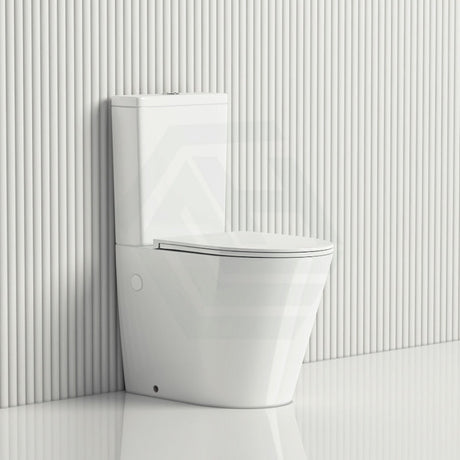
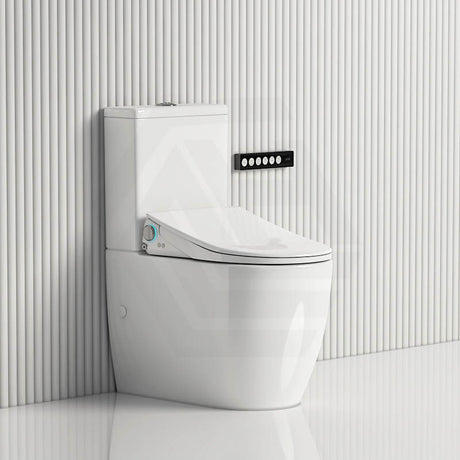
A close coupled toilet suite has the cistern sitting directly on top of the pan, which is the easiest to install and usually the most affordable option. You'll find WaterMark-certified models starting from $185, suiting almost any bathroom. A back to wall toilet suite hides the cistern inside a wall cavity or cabinet, which is more aesthetically pleasing but involves a more complex installation. A floating toilet is the most complex and expensive of the three, requiring wall mounting to a concealed in-wall cistern that may also need new framing as additional scope of work.
Any toilet sold in Australia must carry WaterMark certification — a licensed plumber can refuse to install a suite without it. New builds and major renovations must also meet the NCC 2022 Livable Housing requirement of 900mm by 1,200mm of clear floor space directly in front of the pan.

How to Keep Costs Down When Changing Your Toilet
Check your setout measurements before buying. This is the distance from the finished wall surface — tile, paint, or plaster — to the centre of the floor waste. If yours is 110mm, choose a suite with matching dimensions; repositioning drains is not an affordable option.
Supply your own toilet suite before your plumber arrives. Tradies who source fixtures on your behalf will often charge a margin on top. It's best to have the suite onsite and ready to install. Understanding how much does it cost to change a toilet before you call a plumber means you can budget accurately and avoid surprise invoices.
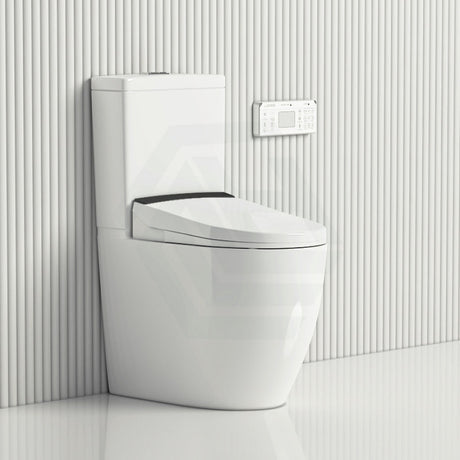
Combine your toilet replacement with other small plumbing jobs to avoid additional call-out fees. A quality toilet seat upgrade ($40 to $150) is also worth considering at the same time — your plumber can fit it while they're already on site.
References
AS/NZS 3500.2 Plumbing and Drainage — Sanitary Plumbing and Drainage, Standards Australia
WaterMark Certification Scheme, Australian Building Codes Board
National Construction Code 2022, ABCB Housing Provisions, Part 12.2 Livable Housing
State plumbing licensing legislation (VBA Victoria; Fair Trading NSW; QBCC Queensland; Building Practitioners Board WA; CBOS Tasmania; ACTPLA ACT; Building & Energy SA; ABPB NT)