26 May, 2026
Bath vs Shower: Side-by-side Comparison
Bath vs shower — which suits your home? Compare costs, water use, floor plans and resale value to make the right choice for your renovation.

Video Credit: Fixr
Choosing a bath vs shower when remodelling your bathroom is probably one of the biggest decisions you will make. It will affect all aspects of your home: the floorplan, budget, water use and resale value. It will also impact how you enjoy your home day-to-day. As someone who has designed both public display homes and private clients' bathrooms, I have found that this is one of the most common home renovation decisions and, sadly, often a decision made too casually. I will go through all the aspects of this decision below – one by one. I am presenting the case for function first and style second.
Key Differences Between Bath and Shower at a Glance
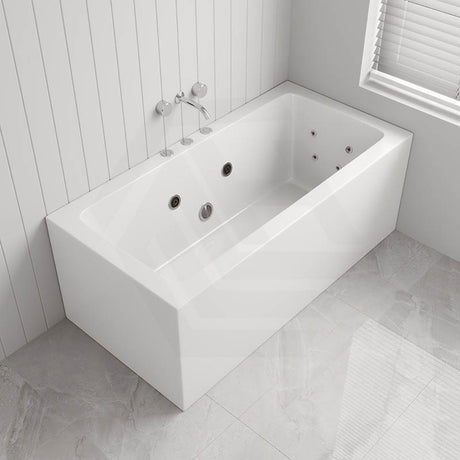
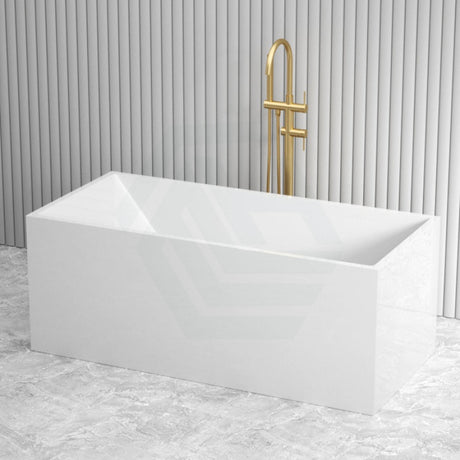
The main starting point for the bath vs shower debate is to understand how they each function. A standard alcove bathtub will be 1500mm to 1700mm in length and will have a fill capacity of between 150 and 200 litres. A freestanding bath is usually around the same length but will take up much more floor space because they require a minimum of 1800mm of clear floor space on all accessible sides. This may be very difficult to find in a small ensuite. A shower on the other hand will fit into a 900mm × 900mm recess and use around 7 to 9 litres per minute depending on the WELS rating of the showerhead.
Neither is right for every situation, so it depends on your home. If you have small children or an elderly member of the household living with you, a bath is a good option. If however, you are a couple or single person, a shower will tick all your bathroom requirements without needing the extra room and water that a bath uses. It is all a question of what suits you and your household needs.

Water Usage, Running Costs and Environmental Impact
Now that we have an understanding of how they are different, let's move into the water usage, running costs and environmental impact — exactly how much money each one will cost you.
A bath fill uses roughly 150 to 200 litres per session. A five-minute shower with a WELS 3-star rated showerhead uses roughly 45 litres; a ten-minute shower uses approximately 90 litres. So basically, any time you bathe frequently, a shower is going to be much better in terms of water use. At Sydney Water's current residential tariff of $2.33 per kilolitre, the difference compounds meaningfully across a year.
On top of that, hot water delivered to the bathroom tap must be set at 50°C under AS/NZS 3500.4 as an anti-scald measure, meaning hot water costs also play a role. A WELS 4-star showerhead — brands such as Fienza and Aquaperla offer well-specified options across various price points — reduces flow to around 7 litres per minute without meaningfully compromising the shower experience. It is a simple and affordable adjustment for the environmentally conscious household.

Space Requirements and Bathroom Layout Considerations
Running costs matter, but you will need a basic understanding of the measurements to plan out the space before making a decision.
Generally, a shower recess needs a minimum internal dimension of 900mm × 900mm under standard practice, though 1000mm × 1000mm is far more comfortable for day-to-day use. A standard 1500mm alcove bath needs clearance at both ends and a minimum 700mm access corridor alongside it. A freestanding bath requires the most room — it needs clear floor space on all sides, making it impractical in bathrooms under approximately 6 to 7 square metres.
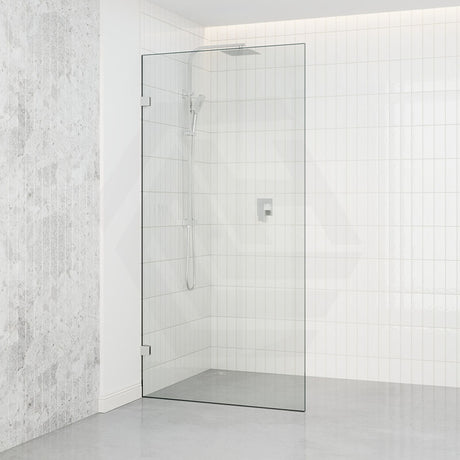
Ceiling height, door swing direction, and the location of existing plumbing rough-in points all influence which option is viable before a single product is selected. In a compact ensuite, a frameless walk-in shower screen and a wall hung vanity can create a sense of openness that a bathtub simply cannot. In a larger main bathroom with enough floor area, it may be possible to fit both, but this requires a well-planned layout to ensure everything works.

Installation Costs and Practical Fit-Out Factors
You have the space for your desired setup. How much will this actually cost, and are there other requirements or regulations to take into account?
Installation costs for an alcove bathtub range from $3,000 to $8,000, covering supply, licensed plumbing labour, tiling and waterproofing. For a freestanding bath, costs range from $4,500 to $12,000 for the fixture, tapware and plumbing labour. A shower installation with a tiled recess and a quality bath shower screen will range from $2,500 to $7,000 depending on the screen you choose. A frameless shower screen from Covey will push you to the higher end of that price range.
Waterproofing is not optional. AS 3740:2021 and NCC 2022 regulations must be followed for every project. Shower walls must be waterproofed to a minimum of 1800mm above the floor substrate, and walls adjacent to the bath must be waterproofed to at least 150mm above the bath rim. All plumbing must be carried out by a licensed plumber who can provide a certificate of compliance on completion. In most states, waterproofing must also be completed by a licensed waterproofer — homeowners cannot undertake it themselves.
A common and costly error is an incorrect shower floor fall. You must adhere to the minimum gradient of 1:60. Catching and correcting this before tiling commences will save both time and money.

Deciding the Right Option for You
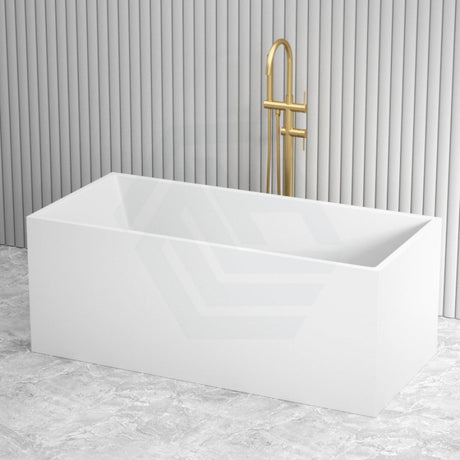
If you have young children, or plan on selling within a few years, retaining at least one bath is advisable. Buyers generally expect one. Broadway and Poseidon freestanding acrylic bath options start at $878, making a freestanding bath an attractive feature for open homes.
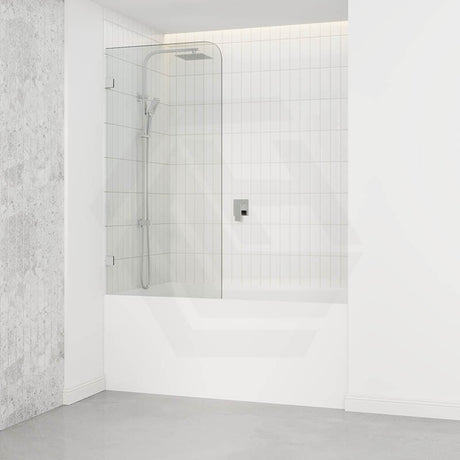
If the bathroom is small or serves single or dual occupancy, a quality tiled shower recess with a good screen, quality tapware and ample space will utilise the room far better and reduce water waste. A bath shower combo offers a viable solution where floor space cannot accommodate both fixtures separately. A freestanding bath remains a beautiful centrepiece wherever the room size allows.
The choice between bath vs shower is ultimately one of design informed by function, layout, and how you want to use the space every day.
References
AS/NZS 3500.4 Plumbing and Drainage — Heated Water Services, Standards Australia
AS 3740:2021 Waterproofing of Domestic Wet Areas, Standards Australia
National Construction Code 2022, ABCB Housing Provisions, Part 10.2 Wet Areas
State plumbing licensing legislation (VBA Victoria; Fair Trading NSW; QBCC Queensland; Building Practitioners Board WA; CBOS Tasmania; ACTPLA ACT; Building & Energy SA; ABPB NT)