

11 February, 2026
How Many Litres in a Bath: What to Know Before Choosing a Bathtub
How many litres in a bath? Practical buying guide: Standard tubs hold 180-230L, but actual use is 120-160L. Match capacity to your hot water system, space & water-saving goals.

Picture this: you've found the perfect freestanding bathtub. It's gorgeous, it's on sale, and you can already imagine yourself soaking in it with a glass of wine. But here's the question nobody thinks to ask until it's too late: will your hot water system actually fill it?
I was too giddy about the finishes to get hung up on those functional things. But it wasn't until my plumber started asking about water capacity and hot water systems that I realised this actually matters - a lot.
If you are in the market for a new bath, here's what to bear in mind before you make the final decision. And really, it doesn't get much worse than shopping for a dream bath only to discover your hot water system isn't up to filling the thing after all – trust me, I've heard the horror stories.
The Capacity Conundrum
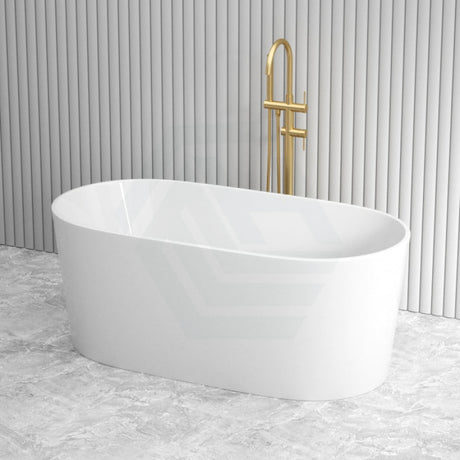
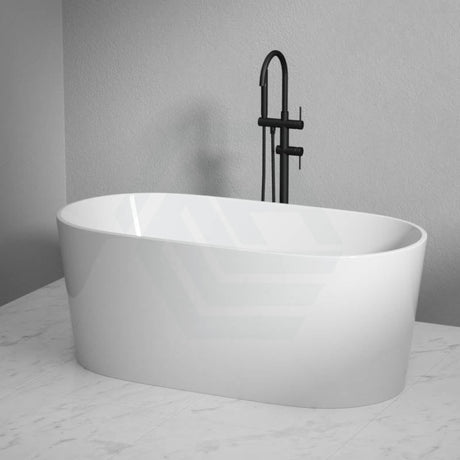
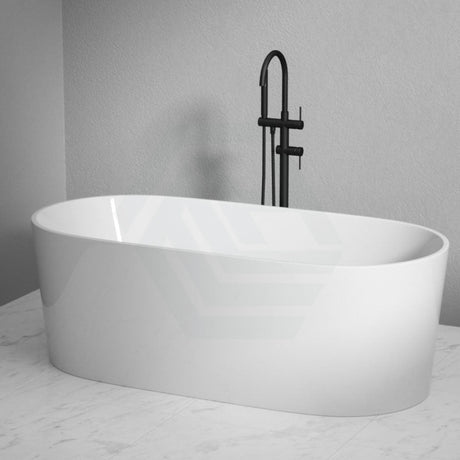
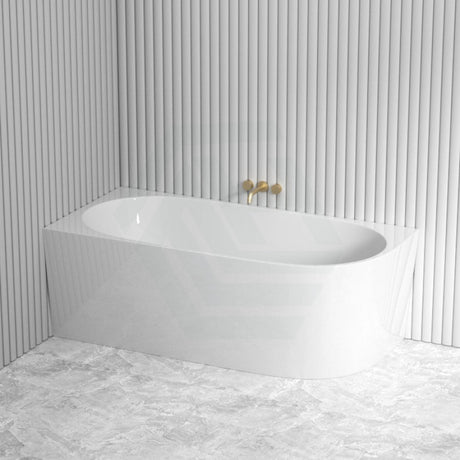
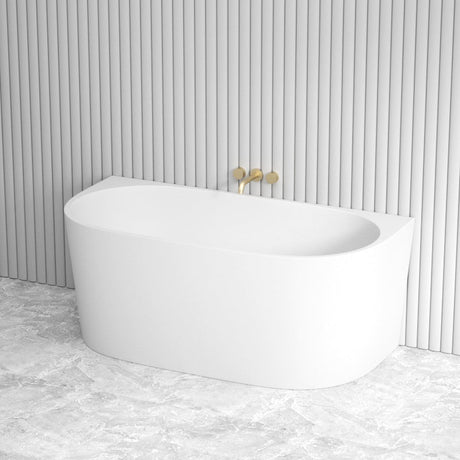
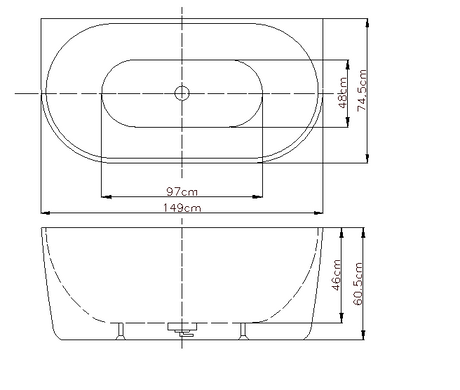
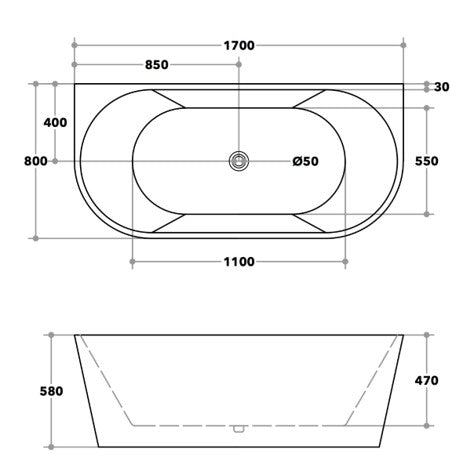
Your standard built-in bath holds around 180-230 litres when filled to a comfortable soaking level - that's what you'll find in most Aussie homes. But freestanding bathtubs? That can be a bit more difficult to figure out. Some of those beautiful models are 200 litres, some go up to 300 or whatever, depending on the design and depth.
But this is what really threw me – you never actually fill a bath to the top anyway, so you don't even see it happen. Well, hopefully not. When you factor in displacement around the body, plus the 280mm that normally sits above waterline and becomes a no-go area, you're only using about 70-80 per cent of the bath's capacity – filling up your 200-litre bath with just one hundred-and-fifty litres.

Why Capacity Really Matters
I'd imagine your hot water system would be the main concern. And if you have a smaller, and therefore less-than-instantaneous system, you want to make sure that even it can actually provide enough hot water to fill the tub that you opt for. It's not like there's anything worse than climbing into a brand new bath expecting to sink into a nice warm bath only to regret ever getting in it!
And there is the sustainability side. Water restrictions are in place across wide areas of Australian states and territories, including Canberra. And even when they are not, many of us are striving to be more water-wise. A ginormous 'car'-sized 400-litre bath sounds like a fabulous idea (or rather, looks very impressive in the showroom) until you consider how much water you'll have to run just to submerge yourself.

Compact Baths for Smaller Spaces
They're actually perfect for you small baths home owners even if you're not struggling with a teeny bathroom. Japanese soaking tubs are brilliant for small spaces. They hold around 120-150 litres, but because they're deeper rather than longer, you still get that full-body soak without the water waste. They're great for the times when you want a bath, but don't have either the water waste of the tub or the extra real estate.
What About Weight?
And here's something else to consider: a 200-litre bath means 200 kilograms of water. Add your weight and the bath itself, and that's serious load on your bathroom floor. Most floors can handle this, but if you're in an older home or planning to install a particularly large bath, it's worth getting it checked.