

19 May, 2026
Bathtub Dimensions Guide: Finding the Right Fit
Avoid costly mistakes with our Australian bathtub dimensions guide. Covers standard sizes, measuring tips and rough-in positions.

Video Credit: Legacy Classic Homes
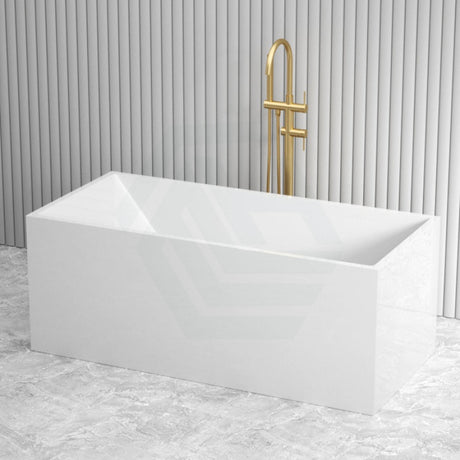
There's something so satisfying about walking into a perfectly designed bathroom with a bath that looks like it's been there forever. Creating that look requires plenty of measuring tape and forward planning, though, and I say that from experience. Having a bath arrive that does not fit or finding that the waste rough-in is in an entirely different position than you anticipated is a very expensive and stressful place to find yourself. However, all of that can be avoided if you know what you are looking for prior to buying. In this guide, we're going to look at everything you need to know about bathtub dimensions before committing to any purchases.
Why Bathtub Dimensions Matter Before You Buy
The consequences of getting your bath sizing wrong are significant. You're going to end up with a bath that needs re-tiling or has to be repositioned with a waste rough-in, and might end up having to send back your new delivery. You should measure the floor space of your bathroom accurately, including length, width, door swings, window reveals, and the position of all existing plumbing outlets, before you begin placing orders.
Take ceiling height into account as well because this will be a factor that determines what freestanding styles with a higher profile you can accommodate. Additionally, think about how you are going to get a bath through your hallway and into your bathroom. Under NCC 2022 livable housing provisions, new bathrooms need a minimum 820mm (NCC 2022, ABCB Housing Provisions, Part 12.2) clear door opening, which you should have in mind if you are renovating a property with narrower doors from an older home.
Getting your bathtub dimensions correct in the planning phase, well before you lay a single tile, is the number one most important thing you can do for the success of your renovation budget.

Standard Bath Size Options in Australia
Now that you know how to measure your bath space, let's consider the standard bath size ranges you are going to find in the Australian market.
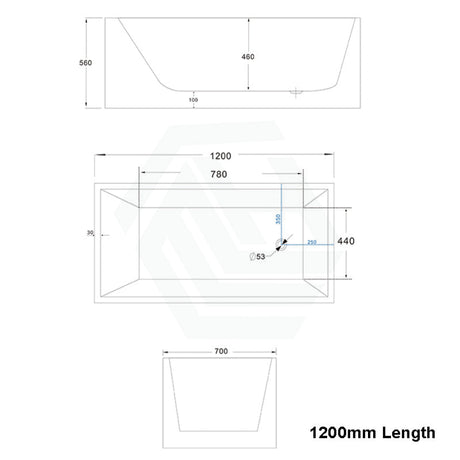
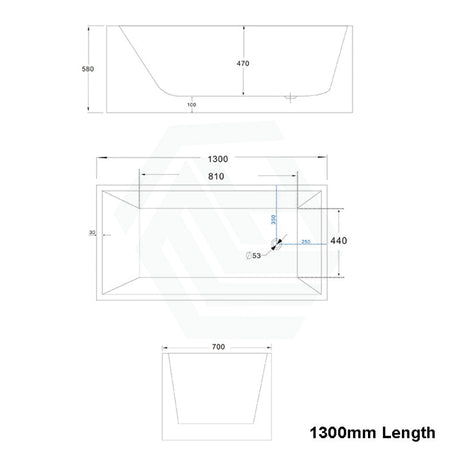
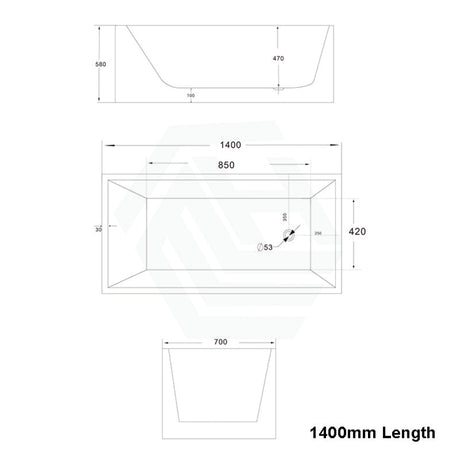
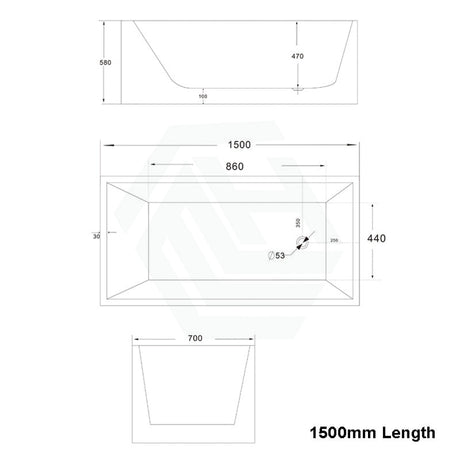
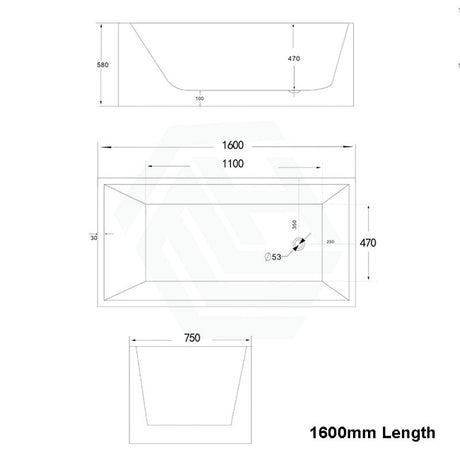
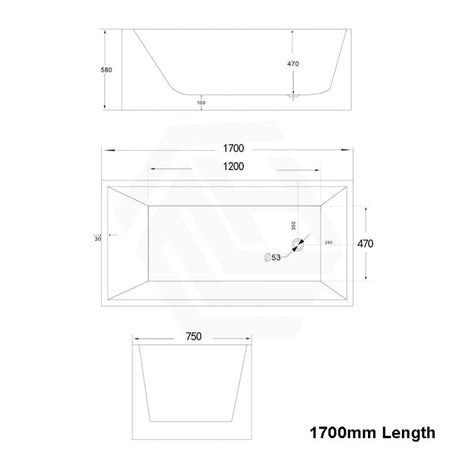
Standard lengths you are likely to see are 1500mm, 1675mm, and 1800mm. Widths for the typical rectangular styles are normally between 700mm and 900mm. Soaking depths range from 350mm up to 500mm for deeper models. At the compact end of the scale, a 1500mm bath is the minimum for a practical bathing length to accommodate most adults; anything shorter is a genuine compromise to your comfort level.
Think about your bathtub options in three tiers:
• compact (1500mm length, which is best for bathrooms of around 4–5m²)
• standard (1675mm length, the most flexible choice suitable for average Australian family bathrooms)
• large (1800mm length, the option which will demand plenty of floor space to manage with adequate clearances around it)
Given the comparatively more compact nature of typical Australian bathrooms versus European norms, the 1500mm and 1700mm lengths are the most popular options here.
Standard bathtub sizes give you a baseline, but the type of bathtub you select changes a great deal in terms of how those dimensions are going to relate to your floor space and plumbing placement.

Bathtub Sizes by Type: Freestanding, Built-In, and Drop-In
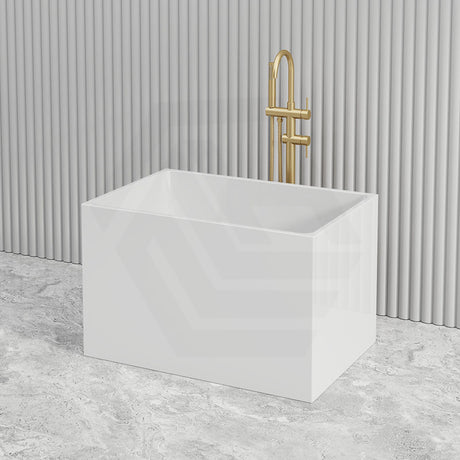
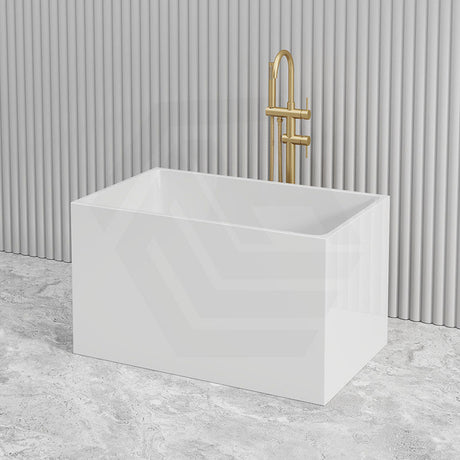
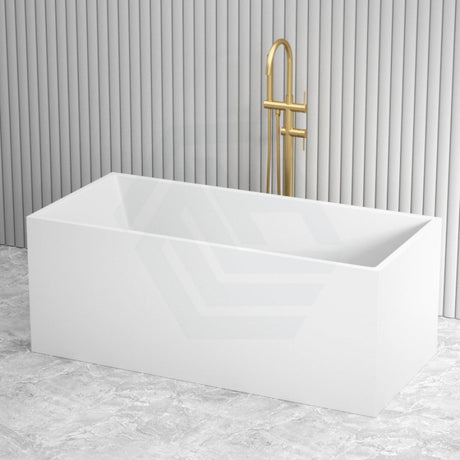
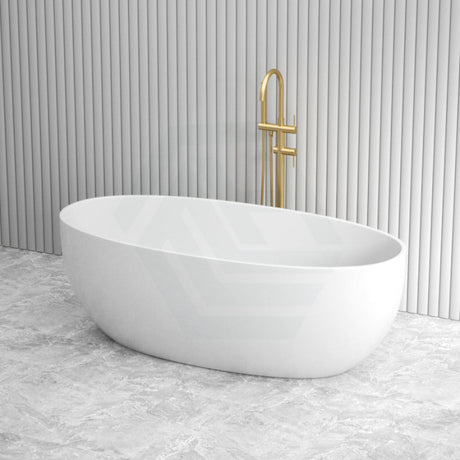
Freestanding bathtubs — and I love them, they are absolutely beautiful features on their own — vary from 1500mm to 1800mm in length, but need approximately 150–200mm of clear space on all sides. This means that a 1700mm freestanding bath effectively commands closer to 2000mm of floor length once you've accounted for tapware. They are not practical for small bathrooms, nor are they a low-cost option at $878 to over $7,000; both Broadway and Poseidon have beautiful options across this range. Bear in mind that a cast iron freestanding bath weighs a minimum of 150kg before water is added, so floor load is a genuine structural consideration.
Built-in or alcove bathtubs fit snugly against three walls, making them the most space-efficient rectangular option. The same 1500–1800mm length range applies, and because the bath is recessed, the amount of usable floor space outside the bath is maximised. Drop-in bathtubs — set into a tiled deck — are commonly 1500–1700mm in length and offer a sleek, architectural look, popular on The Block consistently. The deck adds visual mass, so factor that into your overall floor-area calculations.
Floor load is worth considering too, particularly for heavier acrylic or solid surface freestanding bathtubs. Your builder or licensed plumber can confirm whether reinforcement beneath the floor is required.

Corner Bathtub Dimensions and Space-Saving Layouts
When floor space is a real constraint, corner bath tubs offer a configuration that works differently from the rectangular types above.
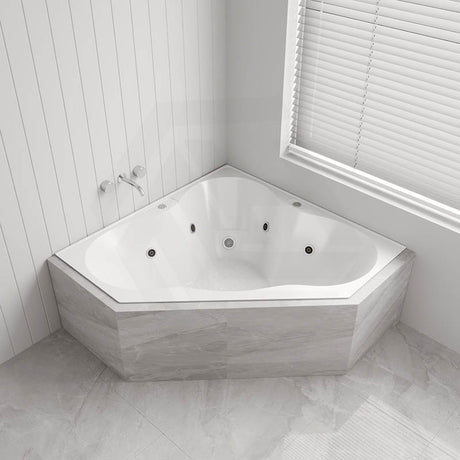
A bathtub in corner position typically has a square or triangular footprint ranging from 1200×1200mm up to 1500×1500mm. Positioning a bathtub in corner space puts otherwise dead floor area to work, freeing up central floor space and making a small bathroom feel larger. MyHomeware's corner bathtub range is priced from $958 to $2,085, which represents strong value for this style. In a bathroom under 5m², a small corner bath at 1200×1200mm can be the only viable bath shape without sacrificing too much of the remaining floor space. The soaking depth is often a little shallower than a freestanding bath, but still delivers a comfortable 400–450mm bathing depth. Plumbing in a corner bath must be positioned correctly, requiring careful layout of the waste and water connections.

Bathtub Installation: Clearances, Plumbing, and Fit Checks
Regardless of bathtub shape and size, bathtub installation demands close attention to clearances and plumbing.
You need at least 600mm of unobstructed access alongside the bath — not only for safe use but also so that the licensed plumber can carry out the installation. The licensed plumber connects the waste, overflow, and hot and cold water supply lines. In every Australian state and territory, only a licensed plumber may undertake this work, and they issue a Certificate of Compliance upon completion. On a concrete slab, shifting a waste outlet even 200–300mm can mean breaking up the slab entirely, so confirm your rough-in position before any concrete work proceeds.
Waterproofing is non-negotiable, and the relevant standards spell out exactly what is required. AS 3740:2021 and NCC 2022 require a minimum of 150mm (NCC 2022, ABCB Housing Provisions, Part 10.2) (AS 3740:2021) waterproofing height above the bath rim on adjoining walls, and a minimum 40mm horizontal flashing leg at wall-to-floor junctions adjacent to the bath. Waterproofing must always be completed before tiling — never the other way around.
The single most expensive mistake I hear from renovators is tiling before confirming the final bathtub dimensions. Dry-fit the actual bath in situ to check waste rough-in, overflow height, and finished floor height before the tiler lays a single tile. Doing this could save you several thousand dollars.
References
National Construction Code 2022, ABCB Housing Provisions, Part 12.2 Livable Housing
State plumbing licensing legislation (VBA Victoria; Fair Trading NSW; QBCC Queensland; Building Practitioners Board WA; CBOS Tasmania; ACTPLA ACT; Building & Energy SA; ABPB NT)
AS 3740:2021 Waterproofing of Domestic Wet Areas, Standards Australia
National Construction Code 2022, ABCB Housing Provisions, Part 10.2 Wet Areas