16 January, 2026
How to Clean Bathtub Like a Pro: Complete Guide
Clean bathtub like a pro: Step-by-step for acrylic, enamel & porcelain tubs. Remove stains, soap scum & mould with vinegar/baking soda, plus prevention tips for sparkling results!

A warm bath should feel relaxing, not distracting. Stains, grime, and dull patches can quickly spoil the moment. When dirt is left too long, soap scum, limescale, bacteria, and mould can build up and damage the surface over time. This is especially important for deeper designs like a japanese soak tub, where water immersion is more complete and surface cleanliness directly affects the bathing experience.
Keeping a bathtub clean doesn’t need to be hard or time-consuming. With a few basic supplies and the right method, most tubs can be cleaned safely and effectively.
This guide shows how to clean a bathtub properly, with simple steps based on different materials and practical tips commonly used in Australian homes. Keep reading!

Why Does Proper Bathtub Cleaning Matter?
Bathtubs get messy fast. Soap scum, body oils, and leftover shampoo stick to the surface, and the damp bathroom air helps germs and mould grow. Keeping the tub clean makes baths and showers feel nicer, and it helps the whole bathroom smell fresher and look more cared for.
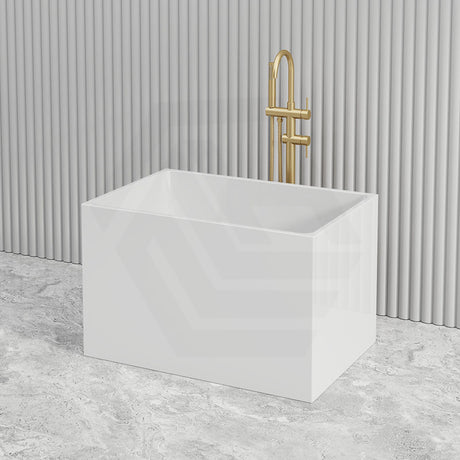
Regular cleaning also helps the bathtub last longer. Built-up grime can stain the finish, make the surface dull, and even cause damage over time. This is especially important for compact installations like a small corner bath, where limited space can trap moisture more easily. When we wipe it down often, small spots and stains are easier to remove, and we avoid tougher scrubbing later.
Supplies and Tools You Need Before You Start
Having the right supplies for your bathtub material makes cleaning safer, easier, and more effective. While some tools work across all tubs, others should only be used on specific surfaces. Use the guide below to gather what you need before you begin.
For Acrylic Tubs
- White vinegar
- Spray bottle
- Non-abrasive sponge
- Soft microfibre cloth
For Porcelain Tubs
- Salt
- Lemon juice
- Soft sponge or cloth
- Soft-bristled brush
- A clean towel for drying
For Cast Iron Tubs
- Mild dishwashing liquid
- Baking soda
- Soft sponge or cloth
- Bucket of warm water
- Optional: diluted TSP cleaner (for stubborn stains only)
For Stone Tubs
- pH-neutral stone cleaner
- Soft microfibre cloth
- Bucket of warm water
Ensures you're using the right tools for each surface to prevent damage while achieving better cleaning results.
How Do You Clean a Bathtub Step by Step?
With your tools ready, the next step is to learn the correct cleaning method for your bathtub. As materials vary, from acrylic and porcelain to cast iron and concrete baths, the cleaning approach should always suit the surface. That’s why the sections below outline both simple daily care and more thorough deep cleaning steps for each tub type.
1. Clean Acrylic Tubs
Acrylic baths are popular for their smooth, non-porous surfaces and easy maintenance, but they require gentle care to avoid scratches.
Daily cleaning steps
- Rinse the tub with warm water after each use.
- Wipe the surface with a soft microfibre cloth while damp.
- Leave the bathroom ventilated to reduce moisture and mildew.
Deep cleaning steps
- Spray a mix of equal parts (1:1) white vinegar and water.
- Let it sit for 10–15 minutes on stained areas.
- Gently wipe with a non-abrasive sponge, rinse well, and dry thoroughly.
2. Clean Porcelain Tubs
Porcelain bathtubs are durable and glossy, but they still require gentle care to stay bright and free of dullness. Regular cleaning helps prevent soap scum rings and keeps the surface looking fresh.
Daily cleaning steps
- Drain the tub after use.
- Rinse with warm to hot water.
- Use a soft-bristled brush to loosen soap scum around the edges.
- Swish the water through the tub, then drain.
- Sweep loosened residue towards the drain and repeat if needed.
Deep cleaning steps
- Sprinkle salt over stains and pour lemon juice on top.
- Leave for one hour to break down grime.
- Scrub gently with a soft sponge and mild solution.
- Rinse thoroughly with clean water.
- Wipe dry with a soft towel to restore shine.
3. Clean Cast Iron Tubs
Cast iron bathtubs are coated with durable enamel that resists scratches, but gentle care is essential to prevent rust if the surface becomes chipped.
Daily cleaning steps
- Wash with mild dishwashing liquid and warm water.
- Wipe only with a soft cloth or sponge.
- Rinse thoroughly and dry to prevent water spots and rust.
Deep cleaning steps
- Apply a baking soda and warm water paste to stains.
- Leave for 20–30 minutes, then gently wipe.
- Rinse well with warm water.
- For stubborn marks, use a diluted TSP cleaner sparingly and rinse thoroughly.
4. Clean Stone Tubs
Stone baths are elegant and durable, but they need careful, material-safe cleaning to avoid etching or discolouration. Always use pH-neutral stone-cleaning products and avoid acidic cleaners.
Daily cleaning steps
- Rinse the tub after use.
- Wipe dry with a soft microfibre cloth to prevent water marks.
Deep cleaning steps
- Clean with warm water and a pH-neutral stone cleaner.
- Gently wipe the surface, focusing on the waterline and corners.
- Leave the cleaner on stubborn areas for up to five minutes.
- Rinse thoroughly and dry to maintain the stone's natural finish.
How to Clean Grout Around a Bathtub?
Grout around a bathtub often traps moisture, making it prone to stains and mould, especially in alcove or shower-bath setups. Regularly cleaning these areas helps keep the entire space looking fresh and hygienic.
Cleaning steps
- Spray the tiles with a suitable tile cleaner, then gently scrub.
- Mix baking soda with water, then scrub grout lines with a grout brush.
- For stained sealant, apply a baking soda paste, leave for a brief time, then rinse.
- Rinse all areas thoroughly and dry.
- Reseal grout every six months to prevent future staining.

How to Clean a Bathtub Drain?
Out of sight doesn’t mean out of mind, especially when it comes to your bathtub drain. While the tub surface may look clean, the drain quietly collects hair, soap scum, and residue that can slow water flow over time. Giving it a bit of attention during your regular bathroom clean helps avoid blockages and unpleasant odours before they become a bigger problem.
Cleaning steps
- Put on gloves and remove the drain cover or stopper.
- Pull out visible hair and debris by hand or with a wire hook.
- Pour very hot water down the drain.
- Add 1 cup of baking soda, then 1 cup of vinegar.
- Wait 15 minutes, then flush with hot water.
Clean the drain monthly to keep it flowing freely.
How Can You Prevent Future Build-Up and Keep the Tub Clean Longer?
Preventing bathtub build-up is far easier than scrubbing away stubborn stains later. A few simple habits can help keep your tub cleaner for longer and reduce the need for deep cleaning.
- Control moisture levels: Use an exhaust fan or open a window after bathing to reduce dampness and discourage mould growth.
- Adopt a daily rinse routine: Lightly spray the tub with a vinegar-and-water solution after use, then let it air-dry to help break down soap scum early.
- Maintain surrounding surfaces: Wipe shower doors and curtains weekly to stop grime and mildew from spreading back onto the tub.
Conclusion
A clean bathtub keeps the bathroom comfortable, hygienic, and easy to maintain. With the right tools and simple routines, learning how to clean bathtub surfaces feels straightforward, no matter the material. Regular care helps prevent stains, protects finishes, and reduces heavy scrubbing later.
Small habits also keep the tub looking bright for longer. When it’s time to refresh the bathroom, MyHomeware offers high-quality bathroom products, including bathtubs, to suit different styles and spaces.