13 February, 2026
How to Unblock Drains at Home Without Calling a Plumber
Fix slow kitchen/bathroom sinks with hot water, baking soda/vinegar, plungers & snakes. Easy steps to clear grease, hair & scum without calling a plumber – plus prevention tips!

A blocked drain picks the worst moment without asking. Water flows normally at first. Then, suddenly, it backs up, leaving behind a dirty pool in the basin, confused about where it started going wrong. Here’s the thing: most of these clogs can be handled from your own space, provided you understand the steps involved. Staying on top of small tasks now and then makes a real difference later.
Every now and then, clogs pop up without warning. Knowing the common triggers makes prevention easier. Handling small issues early saves time later.
Why Do Drains Block So Easily?
Slowly, clogs grow without much warning. Somehow, a pile of junk falls out of nowhere. In the kitchen, common trouble comes from grease, scraps after meals, along with soap residue. Down in the bathroom, hair piles up alongside clumps of styling products. Each home carries its unique blend.
Laundry sinks aren’t like other sinks. Inside them, you find fluff pulled from clothes by machines, grime left after scrubbing, bits of soap still present. Over time, these cling to the pipe walls. The hole shrinks without anyone noticing and eventually, flow weakens. Then, nothing moves at all.
Water spills into the sink, yet drains often clog from leftover particles. After each wash, residue stays unless removed regularly. Over time, small buildup turns into something heavier.
How to Spot a Blocked Drain Before It Gets Worse?
Catching a clog early saves you a ton of trouble. Keep an eye open for these:
- Slow water flows when it should be normal
- Strange gurgling sounds coming from the pipes
- Something stinky near the sink
- Water spills when switching to another faucet
These warnings? They’re not just noise. Jumping ahead won’t fix what’s coming – it’ll only pile on more chaos, along with bigger bills.

Fixes You Can Handle Yourself
One moment the faucet runs fine, next it’s quiet. Instead of picking up the plumber right away, test these basic moves first. Each one uses tools you likely already have at home. They carry little risk plus they won’t drain your wallet. Sometimes the issue clears up all on its own without any tools at all.
- Boiling Water Flush. People keep saying it’s simple, yet somehow manages to clear even sticky messes – like grease or soap. Start by heating water in a kettle. After that, carefully spill small amounts into the pipe, spreading them out. Let every drop vanish before adding the next one. That pause? It gives each bit of time to soften whatever’s stuck. Laundry sinks often get sticky from detergent residue. This stuff tackles that kind of grime well.
- Baking Soda Vinegar. A vintage trick, yet it works well. Pour four ounces of baking soda into the drain first. After that, add another four ounces of vinegar. Wait while bubbles form – roughly twenty minutes pass. Pour in hot water last. The mix works well when loosening stubborn dirt clinging to pipes.
- Plunger. When the clog isn’t heavy, a plunger often fixes it fast. Fill the sink so the tool’s rim gets fully submerged before trying strong upward motions. Works well on toilets, showers and kitchen drain openings too.
- Clean Out the Trap. Uh oh, stuck again? Look closer – that clog might live in the curved piece under your sink. Place a bucket under before you start, then loosen the trap and pull it free. Inside, you’ll likely find fluff, grime, or old fibres clogging the way. These utility drains tend to grab threads, fibres, and scraps more than expected.

How To Prevent Drain Problems in the Laundry?
Staying one step ahead of clogs? That feels almost too simple compared to facing the real thing. Most people pass by the laundry room without much thought, yet it draws clogs like a magnet does.
A solid laundry sink makes things easier. When the sink works well, fewer lumps clog your lines. There are plenty of strong, practical options available that are built for real, heavy-duty use from trusted homeware suppliers.
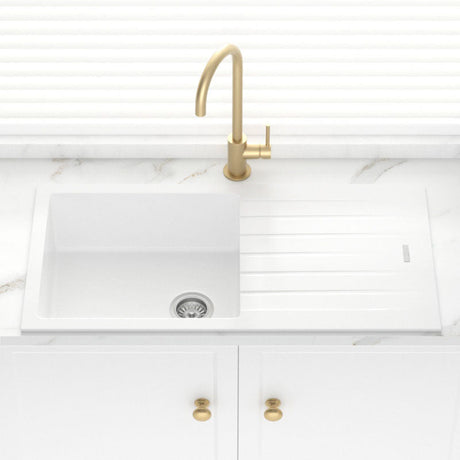
When cleaning up, having a sink with drainers slows down water and clutter at once. A bit of attention here means messes rarely reach further stages later on. It’s worth browsing the range of laundry sinks with drainers to find the right fit for your space.
Here’s a couple of extra ways to help stop problems before they start:
- Use a drain strainer to catch lint and bits before they go down the pipes
- Never pour grimy water packed with particles straight into the sink
- Every once in a while, give your drains a hot rinse. Pouring boiling water down them helps keep things moving
- Every week, give the sink and drain a good wipe.

When It’s Time to Call in the Pros?
One moment it’s fine, next day same issue. When water won’t stop flooding, more than one drain fails, or if the blockage returns again and again, something serious sits hidden beneath the surface of your pipes.
Things such as tree roots, broken pipes, or heavy detritus often demand specialized care to resolve properly. Realizing your limit can protect funds while sidestepping more severe issues down the line.

Regular Maintenance Matters
When water starts getting murky, it’s already too late. Keeping drains in order prevent clogs from building up. Pipes stay healthier when checked often.
Start by washing sinks well each time, clearing any blockages, then seeing exactly which items flow through when things are drained. When it comes to laundry spots, tiny tasks matter more – keep an eye out for loose fibres and old powder residue piling up behind machines. Doing that cuts down on gunk building in pipes plus reduces stinky odours rising later.