

26 May, 2026
How Much Does It Cost to Replace a Toilet: a Step-by-step Aussie
Wondering how much does it cost to replace a toilet in Australia? Our step-by-step guide covers prices, inclusions and what to expect.

Video Credit: Inspire DIY
To the untrained eye, a toilet replacement job may look relatively simple. Just remove the old one and pop a new one in. However, if you have ever asked, how much does it cost to replace a toilet in Australia, then you will find that replies vary considerably depending on the source of information, your location, and what kind of toilet you choose.
What Does Toilet Replacement Actually Involve?
Typically, a toilet replacement will include:
• Disconnecting the water supply
• Removal of the old pan and cistern
• Fitting a new toilet suite
• Connecting the new pan into existing waste
Additionally, your licensed plumber (state plumbing licensing legislation) will ensure the isolation valve is working, replace or inspect the pan collar or wax seal, test the flushing arrangement and then sign off the work. It usually takes from one to three hours to complete a toilet replacement, however this will depend on the scope of the job and how old the existing fittings are.
By law, a licensed plumber must perform the job under Australian state and territory legislation, in all states and territories. No exceptions. Your plumber is required to supply a compliance certificate (AS/NZS 3500.2) — the wording may differ across states, but it is mandatory under AS/NZS 3500.2. A toilet can never legally be connected to a waste pipe by yourself. The only thing you can do without a licence is replace a toilet seat. That is genuinely it.

Toilet Replacement Cost Breakdown: Supply, Labour and Extras
Right, so what does it actually cost? Let's get into the numbers.
Entry-level suites sit in the $185–$400 range, mid-range options from brands like Fienza or Kohler will set you back $400–$800, and anything premium climbs past $800. Hourly rates run at $80–$150, putting the labour component at $80–$450 for the job itself — and that's before a call-out fee of $60–$120 gets added on.
There are also additional costs that can add up quickly: a new isolation valve ($30–$80), a flexible hose ($15–$40), pan collar or wax seal replacement ($20–$50), and removal and disposal of the old suite. In some cases there is the potential to move waste pipes, especially if your new toilet suite requires a different trap setout, which could add $200–$600 to the bill since all of these individual costs add up quickly. Realistically, total installed costs (HIA Bathroom Renovation Cost Guide 2025) land somewhere between $350 and $1,200 or more depending on the product and the complexity of the job.

Factors That Affect How Much It Costs to Replace a Toilet
Treat those figures as a solid ballpark — the final bill can shift up or down depending on a handful of job-specific variables.
The trap setout is a big one. Most Australian homes have an S-trap, with a setout of 100–120mm — that's the distance from the wall to the pipe centre. A P-trap setout of 185mm does exist, though it's far less common and tends to turn up only in older Australian homes. If the new toilet's trap setout doesn't match the old one, the plumber has to modify the waste pipe — and that means extra time and extra cost.
Where you live matters too. Plumbers in Sydney and Melbourne typically charge more than their counterparts in regional towns. The age and condition of your existing plumbing, how easy it is to access the bathroom, and whether the cistern water supply line needs an upgrade can all push the price around.

Which Toilet Type Suits Your Budget?
The type of toilet you go with is the other big cost driver. Each configuration sits at a different price point, and some take considerably more time and skill to fit than others. A lot of the time, the configuration you pick is what determines the final price tag.
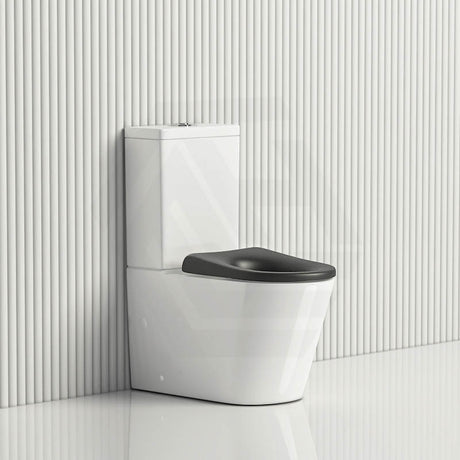
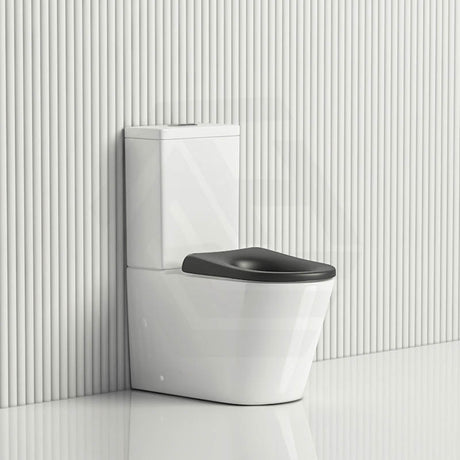
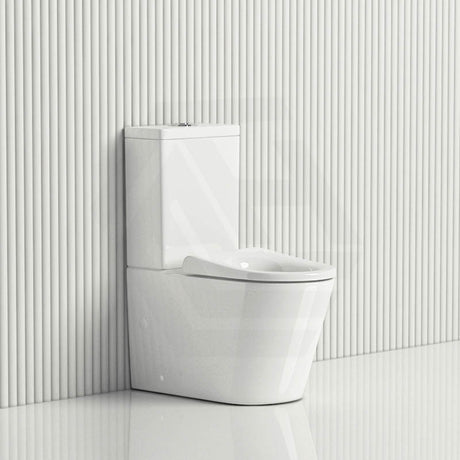
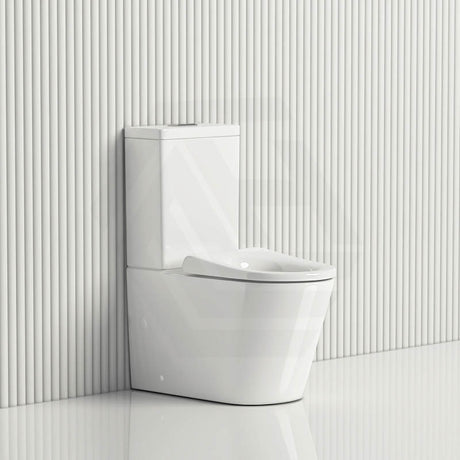
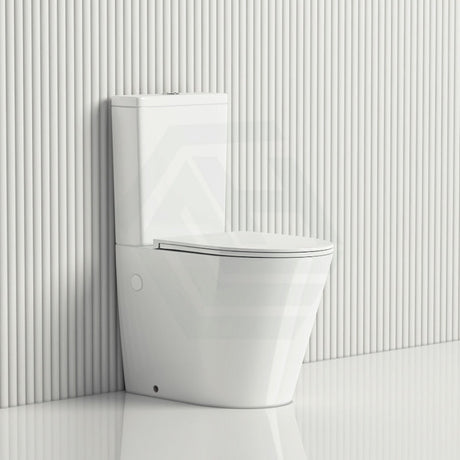
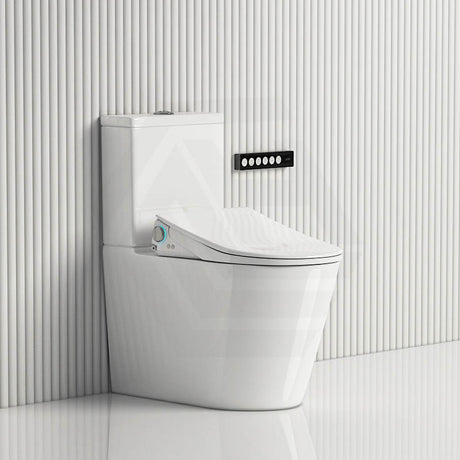
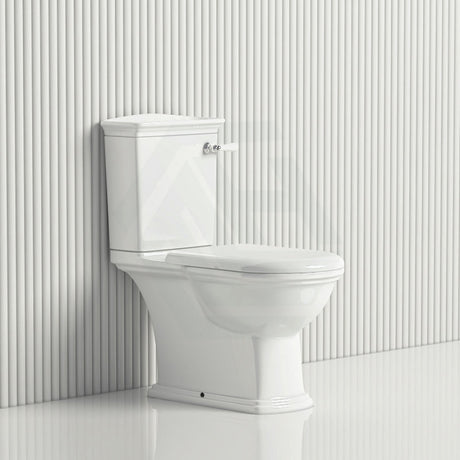
Of all the options, a close coupled toilet suite is the easiest and most affordable to have fitted. With the cistern mounted directly on the pan and all plumbing connections out in the open, these units — priced at $185–$500 — tend to go in faster than any other type. On a tight budget? A close coupled suite is the way to go.
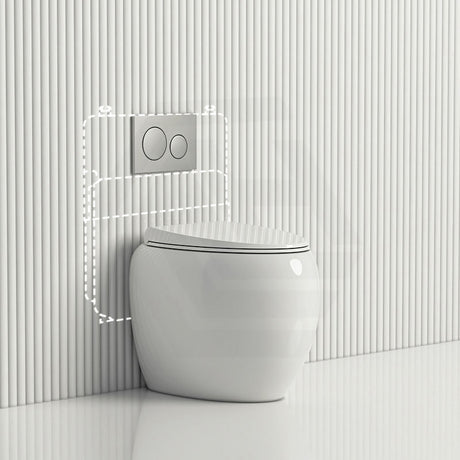
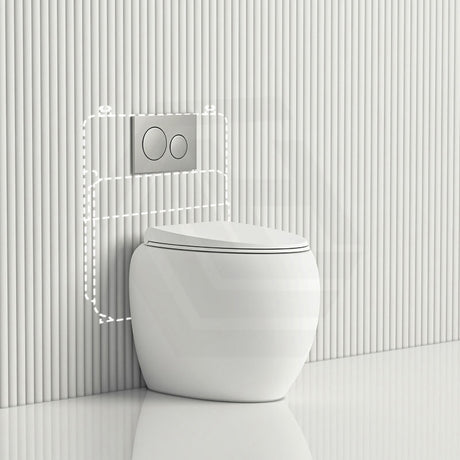
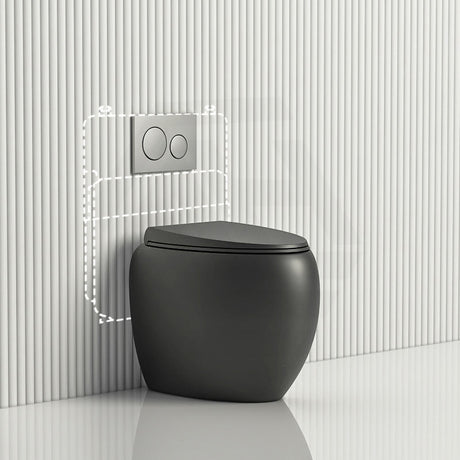
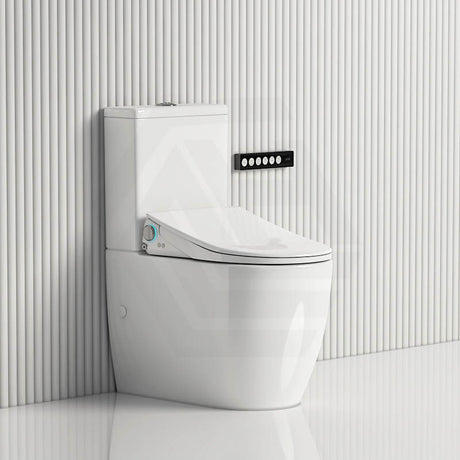
With a back to wall toilet, the cistern is hidden either behind the wall or inside a wall-mounted cabinet. Purchase prices generally fall in the $300–$900 range. Expect the job to take longer — the cistern has to go in first, then wall linings and tiling are needed to cover it up.
When it comes to labour, nothing beats the floating toilet — or wall-hung toilet, as it's also called — for complexity. Before anything else, an in-wall cistern frame has to go in — brands like Geberit or R&T are the usual choices — and that frame alone runs $165–$1,283. The pan adds to that cost, and of the three configurations, this one takes the most time to install.
Whatever type you choose, any toilet fitted in Australia must carry WaterMark certification — it's a requirement of the (WaterMark Certification Scheme). It's a hard legal requirement, full stop — there's no opting out of it.

Cost Saving Tips
If your goal is to save money, choose a toilet with the same trap setout as your existing toilet so it can connect to the same waste pipe. Get three or more quotes from local plumbers to compare prices. Where possible, book a toilet installation at the same time as other plumbing work to save on the call-out fee.
A good quality, mid-range WaterMark certified toilet will give you the best value for money. Knowing how much does it cost to replace a toilet helps you budget accurately — in every state and territory, a licensed plumber must connect your toilet, so ensure you engage a qualified professional.
References
State plumbing licensing legislation (VBA Victoria; Fair Trading NSW; QBCC Queensland; Building Practitioners Board WA; CBOS Tasmania; ACTPLA ACT; Building & Energy SA; ABPB NT)
AS/NZS 3500.2 Plumbing and Drainage — Sanitary Plumbing and Drainage, Standards Australia
HIA (Housing Industry Association) — Bathroom Renovation Cost Guide 2025
WaterMark Certification Scheme, Australian Building Codes Board