17 April, 2026
How to Fix a Leaking Toilet: Base, Cistern and Supply Line Repairs
How to fix a leaking toilet: diagnose and repair base, cistern, fill valve and supply line leaks. Practical DIY tips and when to call a licensed plumber in Australia.

Diagnosing Where the Leak Is Coming From
A leaky toilet might appear to be no big deal unless your next water bill arrives or you step in a puddle at 2am. Before you start tinkering, determine the source of the leak. Dry the area around the base of the toilet and place paper towel there to keep an eye on it. If the toilet water keeps running and you spot more water at the base, make a note. Leaks at the base suggest that the pan collar seal is faulty, leaks from the cistern indicate an internal fault, and a damp area at the hose indicates a problem with the flexible hose.
My first tip is to add a few drops of food colouring to the water in the cistern. Do not flush and, after 15 minutes, if you see the colour in the pan or the bowl, the cistern seal is to blame.

Fixing a Leak at the Base of the Toilet
A toilet leaking from the base is due to a deteriorated pan collar seal. This seal is a rubber ring between the pan and the flange, which is the waste pipe fitted in the floor.
Now, I have to be honest with you. A toilet needs to be disconnected from the waste pipe in order to reseat it or replace a pan collar seal, which is licensed work in all states and territories.
That said, pan bolts can loosen and sometimes the pan can shift over the years, resulting in a broken seal. A plumber would reseat the pan and replace the collar seal in the region of $150 to $300, depending on where you live and if the flange requires replacing.
If the leak only occurs during flushing, this points to the seal. If it is a constant leak, condensation is to blame, which can occur, especially in a poorly ventilated bathroom, in winter.

Repairing Cistern and Flush Valve Issues
The cistern is where most toilet leaks occur. When a toilet running constantly produces that hissing sound that drives you mad, this is typically caused by a broken fill valve. Over time, the rubber washer inside wears out, and the valve remains open despite the cistern having finished filling.
The other culprit is the flush valve seal, at the bottom of the cistern. Over time, this seal can warp, allowing water to continuously trickle into the bowl.
Lift the lid on the cistern and observe the water as it fills after flushing. If the water is pouring into the overflow tube, your fill valve is broken. Water flowing past the flush valve seat indicates that the flush valve seal is at fault.
Replacement valve kits are available at most hardware stores, although it is wise to leave this work to a licensed plumber if you are unsure, especially for back-to-wall toilets or concealed cisterns that are harder to access.

Replacing the Supply Line and Inlet Valve
The other common leak point is the flexible braided hose that connects your cistern to the supply tap on the wall. These hoses can last up to 10 years and are regularly identified by insurers as a potential source of a burst pipe. One of the best toilet fixes to take care of promptly is a toilet inlet valve replacement.
Always replace a supply hose with a WaterMark certified one (WaterMark Certification Scheme). The local plumbing authority may not allow non-certified plumbing fittings, and insurance might not cover damage caused by a non-certified hose.
While fixing a toilet might not be your only upgrade, a wall mounted vanity with a new toilet suite will transform an old bathroom. In many cases, learning how to fix a leaking toilet is where the process starts before thinking about renovating an entire bathroom—a vanity wall hung off the floor means you can sweep easily around your toilet base, making things a whole lot easier.

When to Call a Licensed Plumber
As a rule, I encourage homeowners to understand their plumbing, but I also think it is important to have limits. Call a plumber when the leaking water is at the base, when there is a need to replace the whole cistern or mechanism of a concealed cistern, when the toilet inlet valve is connected to copper piping, or when a previous attempt to repair has not worked.
If you allow a small leak to go untreated, it can result in some pretty significant damage—I have seen the subflooring rot and decay because an overlooked drip went untreated for quite a while. A visit from the local plumber ($100 to $250 for diagnosis plus additional cost for the actual repair work) is nothing in comparison with the cost of repairing a floor.
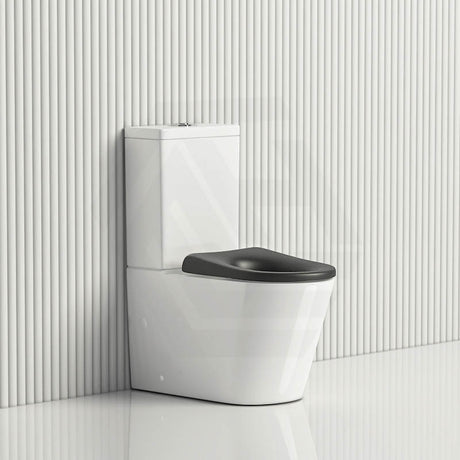
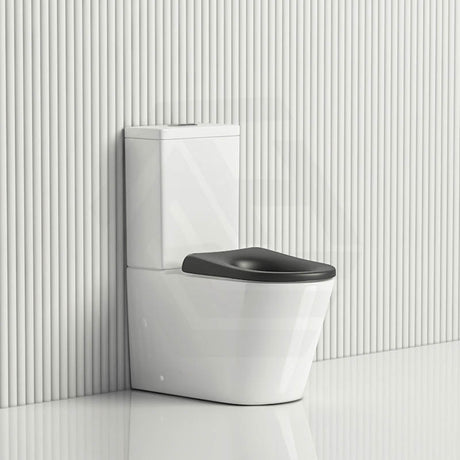
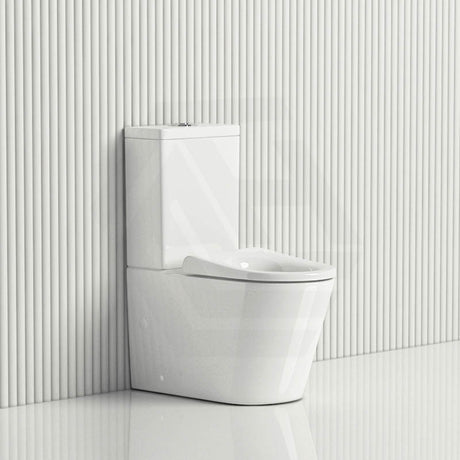
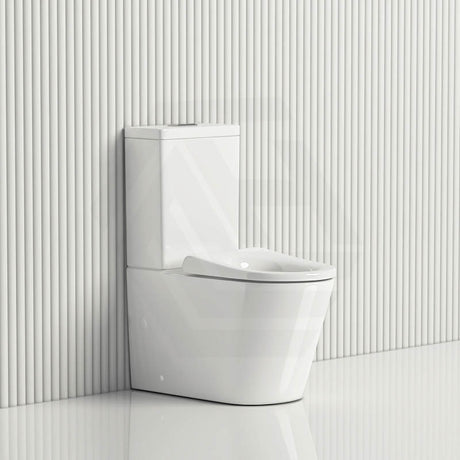
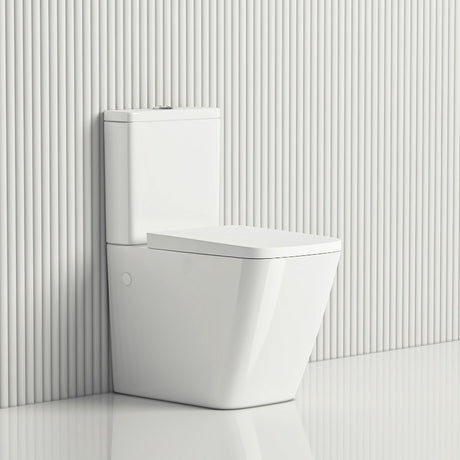
Should your initial toilet fix require replacing the toilet suite entirely, a back-to-wall toilet suite can set you back anywhere from $185 to $1,199. Or, if the repair leads to a bigger bathroom overhaul, a mounted wall vanity and new toilet can easily modernise the space at a lower cost. How to fix a leaking toilet starts with knowing exactly what the problem is—sometimes the smartest move is picking up the phone.
References
WaterMark Certification Scheme, Australian Building Codes Board