10 July, 2026
Complete Guide to Unblock Toilet Without Plunger
Learn to unblock toilet without plunger using household methods. Know when to call a licensed Australian plumber for stubborn blockages.

A blocked toilet at the worst possible moment — we've all been there, and it's never pleasant. The good news is, you probably already have most, if not all, of the necessary supplies at home to sort it out quickly. Soft blockages respond well to hot water and dish soap (pour around 500ml of hot tap water from waist height for extra pressure), while partial organic clogs can be tackled with a baking soda and vinegar fizz. For stubborn solid obstructions, a straightened wire coat hanger can hook out the culprit. If none of these work, it's time to call a licensed plumber.
Video Credit: BStride DIY
What Causes Toilet Blockages and Where?
Toilet blockages invariably tend to take place in one spot: in the toilet trap, sometimes known as the S-bend. The toilet trap is the curved section of porcelain at the base of the toilet bowl, and just below the floor, it connects to the waste pipe. The trap contains some water which acts as a seal against sewer gases. This is where the blockages generally occur because the S-bend is usually the smallest part of a toilet's piping, making it a common location for waste to get stuck.
In Australia, we mostly end up with clogged toilets as a result of excessive use of toilet paper, 'flushable' wipes (which, despite what it says on the packet, aren't actually flushable), cotton buds, children's play things, or random bits of foreign objects that fell in during home renovations and bathroom makeovers. It's worth keeping in mind that low-flush WELS 4-star toilets — which use just 4.5 litres on a full flush — are more likely to become clogged with non-flushables as less flushing force exists in the bowl.
Knowing what causes clogged toilets and where they tend to get lodged will allow you to match the right tool or ingredient to the right blockage.

Common Household Items You Can Use to Unblock a Toilet Without Plunger
The good news is, you probably already have most, if not all, of the necessary supplies at home. Both hot water and dish soap will easily work with soft blockages — the soap will help to loosen the trap and the hot water will help break down the obstruction. A combination of baking soda and white vinegar will create a fizzing reaction that is effective with partial blockages caused by organic material. You could also attempt to remove a solid blockage with a wire coat hanger that's straightened out and has one end bent into a small hook shape for hooking onto the obstruction.
Before you attempt either method, there are a few precautions to take. Firstly, don't use boiling water because the porcelain ceramic material (known as vitreous china) that a toilet pan is made from can crack due to extreme heat; only use hot tap water with a maximum temperature of 70°C. Secondly, when you use the baking soda and vinegar method, don't use chemical drain cleaners, as they can react with other ingredients to create unexpected chemical reactions and result in unpleasant splashing.

Step-by-Step Methods to Unblock Toilet Without Plunger
Choosing the right product is important; however, using each product correctly matters even more. Here's how.
Make sure to wear rubber gloves.
Hot water and dish soap
Put about 60ml of dish soap into the toilet, then slowly pour around 500ml of hot (not boiling) tap water. To increase the water pressure a little bit, pour the water from waist height. Allow it to sit for 10 to 15 minutes, then attempt a flush. The water level in the bowl going down is a good sign.
Baking soda and white vinegar
Pour one cup of baking soda into the toilet, then slowly pour two cups of white vinegar. The fizzing action does the heavy lifting, so allow it to sit for at least 20 to 30 minutes before flushing. This approach is effective only if the clog consists of paper or other organic debris; it won't work for hard objects.
If these methods fail, try using a wire coat hanger. First, straighten the hanger completely, then curve one end into a small hook. Carefully insert the hooked end into the toilet trap and turn it, trying to dislodge or snag the blockage. Avoid using this to scrape or scratch the porcelain inside the pan.

When DIY Fixes Work — and When to Call a Plumber
The above methods are successful for most blockages, but there are situations when no amount of dish soap will resolve the problem.
If you notice a gurgling sound in other fixtures, such as the shower or the vanity, while you flush the toilet, then you're likely dealing with a drain or sewer issue instead of a toilet blockage. Similarly, if other fixtures are also slow to drain, if you smell sewage emanating from the floor, or if the clog keeps returning within days of being cleared, then you are probably facing a problem with the waste pipe beyond the toilet pan itself. At that point, you need to contact a licensed plumber. Under AS/NZS 3500.2:2025, connections for sanitary drainage are regulated work, and any work to waste pipes must be completed by a licensed tradesperson (see state and territory plumbing licensing legislation).
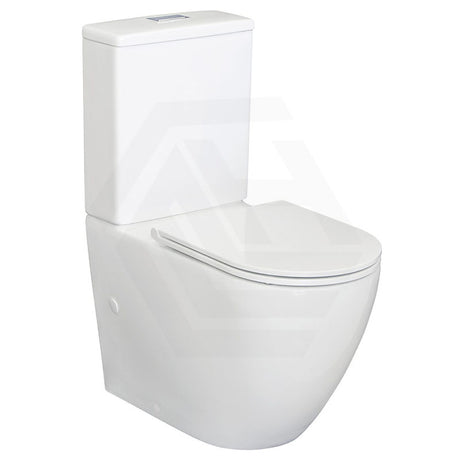
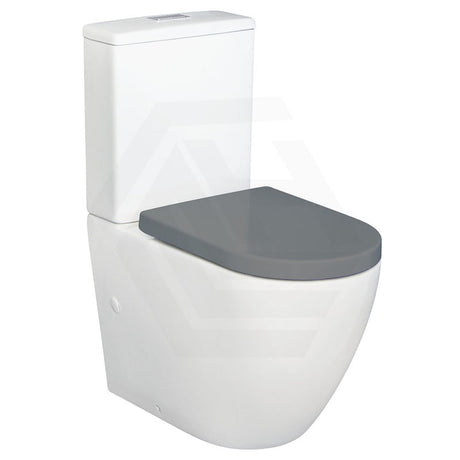
It may also be a good time to consider whether your toilet's design is contributing to ongoing issues. Box-rim toilets with limited flush coverage are much more likely to have ongoing blockage problems than newer rimless versions; Poseidon and Fienza both offer rimless toilet ranges that deliver a more thorough flush.

Preventing Future Toilet Blockages
Whether you've just cleared a blockage yourself or called in a licensed plumber, your next priority should be preventing a future one.
The most important step is simply not flushing anything other than toilet paper. If you're using face wipes, cotton discs, or similar items, keep a small waste bin right next to the toilet.
On the maintenance side, ensure your toilet cistern flushes with full force by using a WaterMark-certified cistern with a full flush cycle. Avoid in-cistern cleaning products, which can cause rubber seals to deteriorate and reduce flush effectiveness (see AS/NZS 6400:2016).
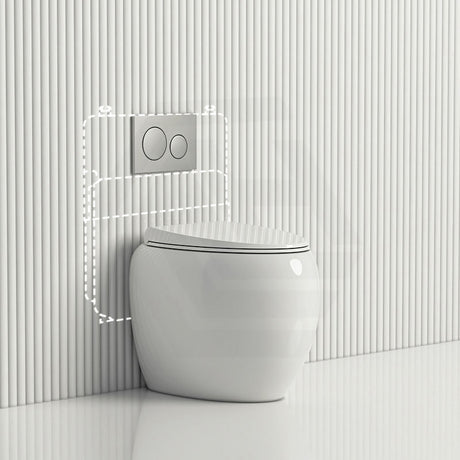
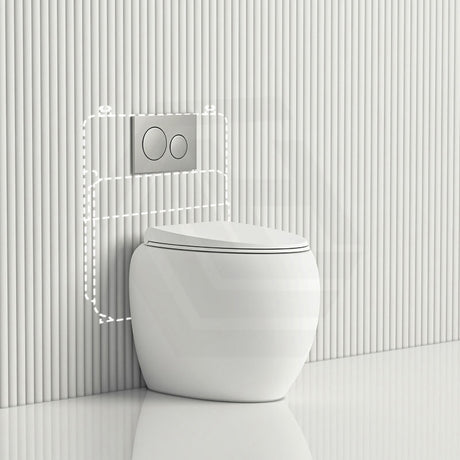
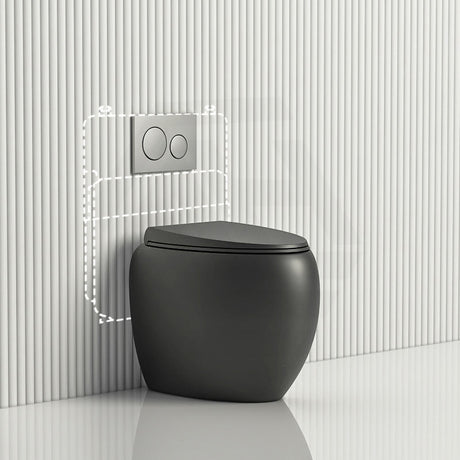
Some modern toilet suites also offer design advantages worth considering when you need to unblock toilet without plunger less frequently. A back to wall toilet suite conceals the cistern and pipe connections behind the wall or a false wall, making the area easier to clean around — though it does mean those connections won't be accessible without removing the wall panel. Keep this in mind if you've had chronic blockage issues and are considering new suites.
References
AS/NZS 3500.2:2025 Plumbing and Drainage — Sanitary Plumbing and Drainage, Standards Australia
State and territory plumbing licensing authorities (Building and Plumbing Commission Victoria; Building Commission NSW / NSW Fair Trading; Queensland Building and Construction Commission; Plumbers Licensing Board Western Australia (administered by Building and Energy); Consumer, Building and Occupational Services Tasmania; Access Canberra ACT; Office of the Technical Regulator / Consumer and Business Services South Australia; Plumbers and Drainers Licensing Board Northern Territory)
AS/NZS 6400:2016 Water efficient products — Rating and labelling (incorporating Amendment No. 1:2022 and Amendment No. 2:2022), Standards Australia