27 October, 2026
WC Macerator Installation: How It Works and AU Rules
WC macerator installation explained: how units work, AU compliance rules, and when to call a licensed plumber and electrician for the job.

Ever stared at a weird little alcove under the stairs and thought, "a toilet could actually go there"? Well, it can — but only with a bit of mechanical help. A WC macerator sits behind or below the pan, macerates the waste, and pumps it out through a small diameter discharge pipe to join a normal drain elsewhere in the house, which means you skip the jackhammer and the long gravity fall altogether.
That said, this is genuinely a two-trade job (plumbing under AS/NZS 3500.2:2025, electrical under AS/NZS 3000:2018), not a weekend project. Below, we'll walk through how these units actually work, where they turn up in Australian homes, and what your plumber and electrician each need to sign off before installation.
Video Credit: Better & Best Products
What Is A WC Macerator And How Does It Function
Imagine you want a toilet installed in a basement, or underneath some stairs, or in some awkward little alcove off the laundry which is very far from the main stack. This toilet can't operate via gravity drainage as the length of pipe required would require a fall which the floor wouldn't provide. This is where a macerator comes in. It is located either behind or below the toilet pan and when you flush, it macerates the waste (don't think about it) and pumps it out through a small diameter discharge pipe, potentially going up before going down again, to join a standard drain or stack somewhere else in the house.
A WC macerator installation is a neat solution to a problem. Myhomeware does not sell macerator units but does sell the toilet suite itself, the toilet pans, and suites that can then be connected to the macerator via the usual means (a pan connector or a pan collar).

Where Are WC Macerators Typically Found In Australian Bathrooms Or Powder Rooms
The general answer to why one would use a macerator is to extend a gravity drain to another location would involve more complex works such as breaking concrete, running long pipes, or when the floor levels don't permit a fall. Think basement powder rooms, granny flats, or extensions that are too far from a stack for a simple gravity drain to function. I'm not able to give you an actual stat on how many Australian homes have this feature because I don't have access to such data. Conceptually, it's just an engineering workaround. You don't install a macerator because you like the look of it. You install it because you'd otherwise need a jackhammer.

Plumbing, Electrical and Compliance Considerations Before You Install
This is where the two trades are different. A WC macerator installation requires two trades to undertake their separate but related tasks:
- The water supply and discharge of the macerator itself is sanitary plumbing work (AS/NZS 3500.2:2025). In other words, this isn't a Saturday afternoon project you can knock over after watching a YouTube tutorial.
Now, the power connection is another matter, and needs to be handled by a licensed electrician. Bathrooms are classed as 'wet areas', and electrical work in wet areas is regulated under (AS/NZS 3000:2018), which includes things such as RCD protection and distances from water outlets. As a rule of thumb, you'll want your macerator's power point to be a fixed, RCD-protected connection, and this is something your electrician can set up. Not an extension cord from the hallway (please, never the hallway).
As to how far away your macerator can be from the new WC's drain point, I'm not going to try and tell you that because this does vary between each model and brand. Please don't read this article and think you can go and DIY this part. Instead, get in touch with your plumber to find out.

Choosing a Compatible Toilet Pan or Suite for a Macerator Setup
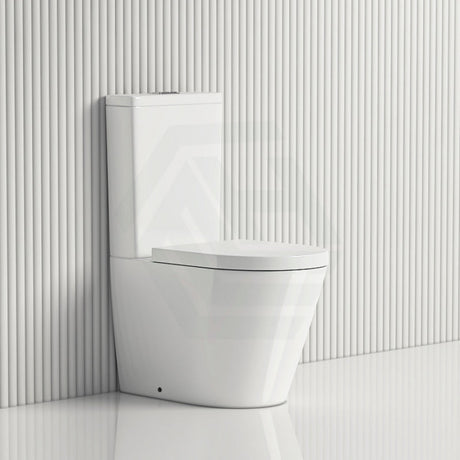
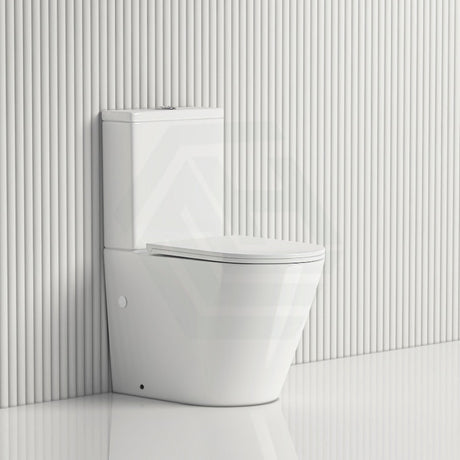
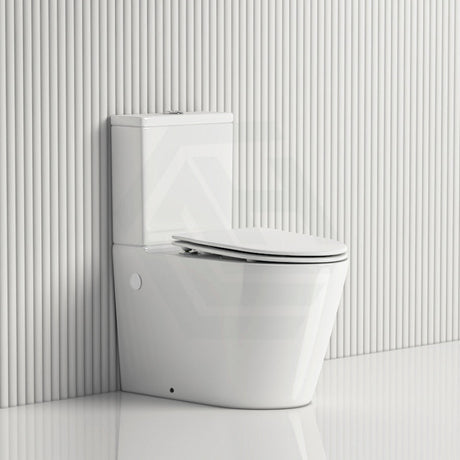
Okay, so now we've got a theoretical game plan and all the required trades covered, let's talk about what you're actually going to shop for. Typically, macerator units will be paired with a regular toilet pan, not a macerator-specific pan. This is because the toilet pan will connect to the macerator with a regular pan connector or collar, and sit above the macerator inlet, just as it always would.
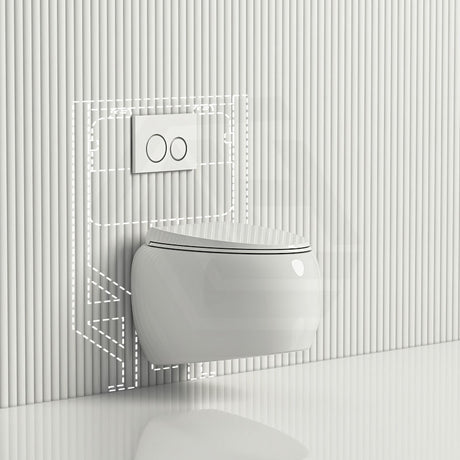
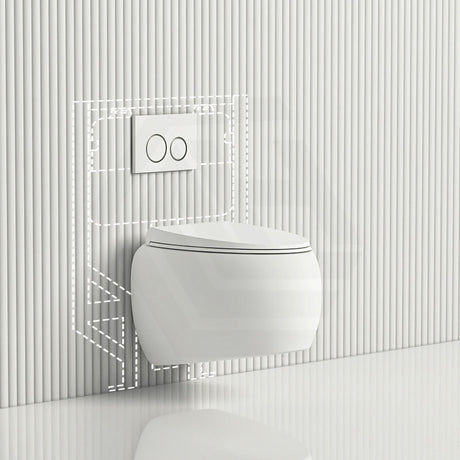
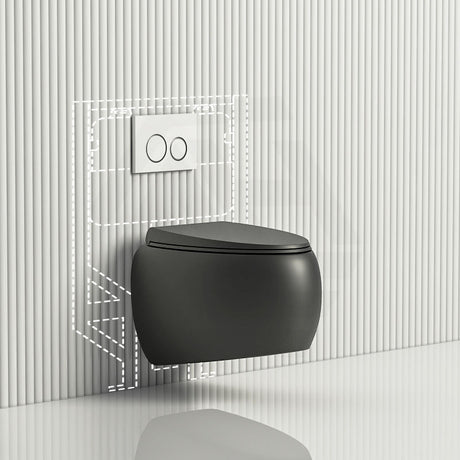
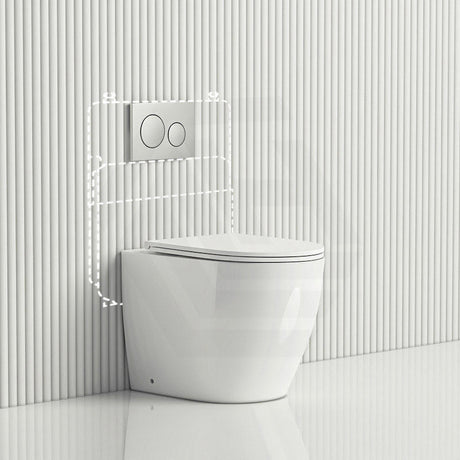
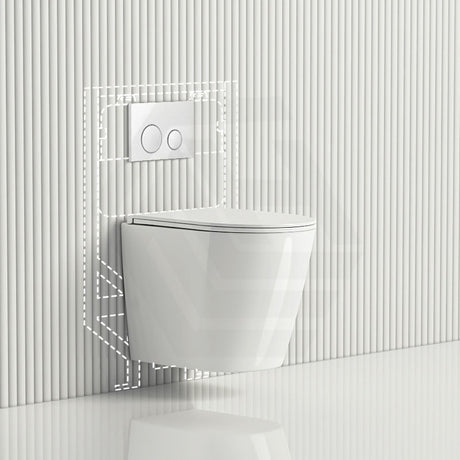
And this is where it makes sense to head over to our toilet range. Provided that your plumber has verified the outlet direction and that your selected macerator is compatible with that type of toilet, a p trap toilet from our range may be the wall-outlet option that suits your needs, or a back to wall toilet suite for that floating, clean finish so popular with powder rooms. Either way, ensure it's WaterMark certified (WaterMark Certification Scheme). It's required for all plumbing and drainage products used in a WC macerator installation in Australia, and your local plumbing authority won't sign off on anything without it.

When to Call a Licensed Plumber and Electrician
Here's the thing: this isn't a DIY job, regardless of the state or territory (state and territory plumbing licensing legislation). Selecting the toilet pan, planning the layout, even removing an existing fixture if there's no plumbing present, all good things to do. The drainage connection and the electrical connection, though? You need a licensed plumber and a licensed electrician for these parts.
Prior to purchasing anything, line up your plumber and electrician first, get clarity on what they require for the macerator's inlet and outlet, and only then start looking at a toilet pan to fit your space. You risk getting that wrong and end up buying a pan that doesn't suit the unit your plumber recommends for your WC macerator installation. It's an unnecessary cost, but entirely avoidable.
References
AS/NZS 3500.2:2025 Plumbing and Drainage — Sanitary Plumbing and Drainage, Standards Australia
AS/NZS 3000:2018 Electrical Installations (Wiring Rules) (incorporating Amendment 3:2023), Standards Australia
WaterMark Certification Scheme, Australian Building Codes Board
State and territory plumbing licensing authorities (Building and Plumbing Commission Victoria; Building Commission NSW / NSW Fair Trading; Queensland Building and Construction Commission; Plumbers Licensing Board Western Australia (administered by Building and Energy); Consumer, Building and Occupational Services Tasmania; Access Canberra ACT; Office of the Technical Regulator / Consumer and Business Services South Australia; Plumbers and Drainers Licensing Board Northern Territory)