23 September, 2026
S Trap Toilet Installation: Setout, Steps and AU Rules
Understand s trap toilet installation setout dimensions, AS/NZS 3500.2 compliance, and what your licensed plumber needs to know before the job starts.

Get the setout wrong and you'll be pulling the whole job apart before a single flush. That's the reality of toilet installation — the measurements come first, and everything else follows. S-trap set-out is measured from the finished wall to the centre of the floor outlet: many Australian suites are built around a 140 mm set-out, the most common set-out on myhomeware is 180 mm, then 160 mm and 140 mm, and adjustable pans cover roughly 100–180 mm. Sanitary plumbing is governed by AS/NZS 3500.2:2025, and a licensed plumber must carry out the connection in every state and territory. This article covers the key setout dimensions, the step-by-step process, and the Australian rules you need to understand before purchasing a pan — so the job is done properly the first time.
Video Credit: Totally Handy
What Is an S Trap and How Does It Work?
The S trap is the curved pipe section under a toilet pan that exits the floor. That's not to be confused with a P trap, which exits horizontally from the wall.
It's named after its shape — two bends that will always have a water seal trapped inside. The purpose of that water seal is obvious. Sitting at the bottom of the trap, it prevents sewer gases (which includes hydrogen sulphide) from coming up the waste pipe and into the room. This is the main reason we install traps, really.
A dried-up or broken trap seal is one of the most common sources of odours in my experience of working on the tools, and it's always the first place I check when I hear complaints about bad smells.
In Australian bathrooms, the S trap is used where the floor waste pipe goes vertically out of a concrete slab. If the waste pipe exits horizontally from the wall, you need a P trap pan. Get this wrong in the planning stage, and you'll have to do the work all over again. Check which way the waste pipe exits before purchasing a pan.

S Trap Setout Dimensions and Australian Standards
Setout refers to the distance from the finished wall to the centre of the floor waste pipe. The setout measurement will help determine which pan to use to ensure the pan fits directly over the waste pipe outlet. Many Australian suites are built around a 140 mm set-out; on myhomeware the most common set-out is 180 mm, then 160 mm and 140 mm, and adjustable pans cover roughly 100–180 mm.
Make sure to remember that you measure from the wall to the centre of the pipe, not the edge. This is because the outlet on the pan is positioned concentrically. Be off by just 10 mm and the seal on the pan won't fit.
Sanitary plumbing and drainage in Australia is governed by AS/NZS 3500.2:2025, which sets out the requirements for toilet pan connections and drain grading, among other things.
The NCC stipulates that a clearance space of no less than 1,200 mm by 900 mm (NCC 2025, ABCB Livable Housing Design Standard) from the front edge of the toilet pan must be maintained. There must also be a minimum clearance of 900 mm between finished wall surfaces on both sides of the pan. These aren't mere suggestions; they're building codes that determine how you lay out your bathroom before you purchase anything.
If the setout is outside of these parameters, adjustable setout connectors are available that cover roughly 100–180 mm (the full market range runs about 60–320 mm). Measure twice, buy once.

Tools, Materials and Pre-Installation Checks
Once your setout has been measured, and you've taken into consideration Australian standards, you'll be able to assemble the required tools and materials before installing the first fitting.
Your licensed plumber will need an adjustable spanner, a spirit level, a hacksaw or a pipe cutter, silicone sealant, pan fixing screws, a rubber pan collar, cistern fittings and a WaterMark-certified flexible connector.
Any plumbing product used for the installation needs to be WaterMark certified. WaterMark is a national certification scheme, so plumbing authorities can refuse to use anything that doesn't have WaterMark certification.
Lead-free WaterMark rules apply to copper-alloy fittings in contact with drinking water — not to the pan or trap itself, which sit outside this requirement, but it's still worth clarifying what fittings are included when ordering a suite.
You can do the following pre-installation checks yourself:
• confirm setout distance
• ensure floor waste is 90 mm diameter (standard for an Australian toilet pan)
• confirm water supply set-out height
• ensure floor is level
Even a couple of millimetres out of level can affect the silicone seal around the base of the pan and the pan can rock over time.

S Trap Toilet Installation: Step by Step
With everything checked and prepared, here is what to expect from s trap toilet installation, so you can be sure the job is done properly the first time.
A licensed plumber must carry out s trap toilet installation. In every state and territory it's illegal to connect a toilet pan to a waste pipe unless you're a licensed plumber.
Your licensed plumber will position the pan over the floor waste, fit the rubber pan collar or flexible connector to the outlet and line the pan up against the wall. They'll use pan fixing screws to secure the pan to the floor — tightened by hand, then a quarter turn. Overtightening risks hairline cracks in the vitreous china that won't show until weight is applied.
A bead of silicone is run around the bottom of the pan — not to waterproof it, but to stop water seeping under the pan when flushed.
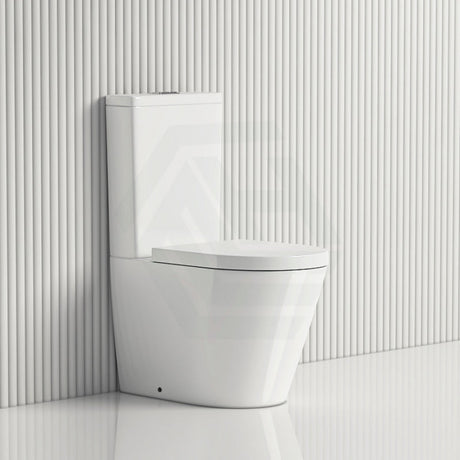
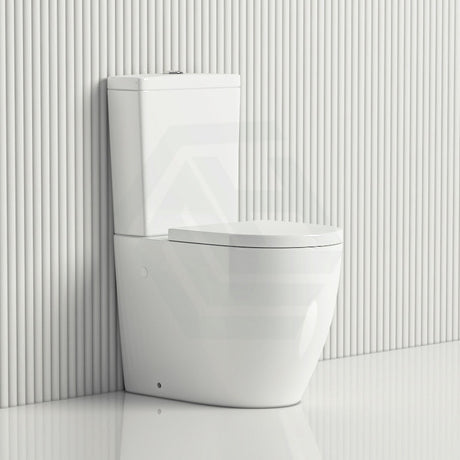
When selecting your suite, choose an s trap toilet suite from a reputable brand like Poseidon, Fienza or Kohler, so you can be confident of WaterMark approval and WELS registration, and know that replacement parts will still be available long after purchase. Suites start at $185, going up to between $400 and $800 for a higher quality range.
After the cistern water supply is connected, the push button is fitted and any leaks are checked at each joint, the installation is ready for sign-off.

Common Mistakes, Compliance and Where to Buy
There are still some common errors that homeowners and plumbers can make — being aware of them will help you achieve a fully compliant toilet installation every time.
Incorrect setout measurement — the most common error — means the pan outlet will not align with the floor waste, and the suite goes back.
Over-tightening pan fixing screws causes hairline cracks in the pan base, often not noticed until months later when the toilet starts rocking or leaking.
Not checking the trap seal depth — AS/NZS 3500.2:2025 requires a trap seal depth of at least 50 mm of water. A shallower trap seal will evaporate more quickly and allow sewer gas to enter.
Fittings without WaterMark certification not only fail compliance, but your licensed plumber should not agree to use them, nor should you.
S trap toilet installation is a regulated activity and must be done by a licensed plumber across all states and territories in Australia. That licensed plumber will be required to provide a compliance certificate upon completion. There is no way around it — whether it's a simple swap-out, a renovation, or a rental property.
If your floor waste setout is not within the usual range, a connector toilet suite with an adjustable adaptor may be more appropriate than trying to force a standard pan to fit. The s trap and the connector toilet suite are separate products, and which you choose depends on your setout. If you're replacing just the drain component, browse our range of s trap outlets and connectors to see which your licensed plumber might select to complete the job.
A properly completed s trap toilet installation — built to code, using quality fittings, and carried out by a licensed plumber — is something you'll never need to worry about for the next 20 years.
References
AS/NZS 3500.2:2025 Plumbing and Drainage — Sanitary Plumbing and Drainage, Standards Australia
WaterMark Certification Scheme, Australian Building Codes Board
National Construction Code 2025, ABCB Livable Housing Design Standard, Part 3 Internal doors and corridors and Part 4 Sanitary compartment
State and territory plumbing licensing authorities (Building and Plumbing Commission Victoria; Building Commission NSW / NSW Fair Trading; Queensland Building and Construction Commission; Plumbers Licensing Board Western Australia (administered by Building and Energy); Consumer, Building and Occupational Services Tasmania; Access Canberra ACT; Office of the Technical Regulator / Consumer and Business Services South Australia; Plumbers and Drainers Licensing Board Northern Territory)