30 September, 2026
Concealed Toilet Cistern Ideas for Australian Bathrooms
Explore concealed toilet cistern ideas for Australian bathrooms, covering wall-hung pans, back-to-wall designs, flush buttons, and WaterMark compliance.

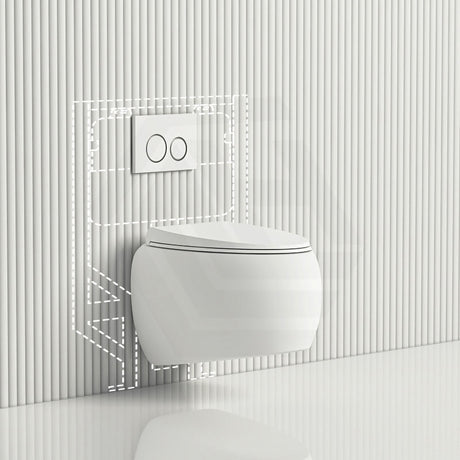
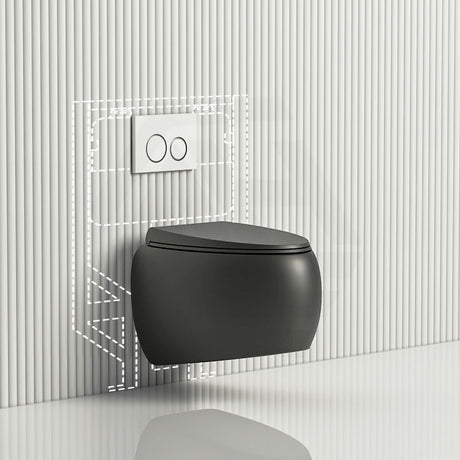
A concealed toilet cistern integrates the cistern body, flush valve mechanism, and water inlet line into a carrier frame and a cavity inside the wall. When you press the toilet flush button, it operates the flush valve, which empties the cistern body into the toilet bowl.
In the following sections, we'll explore various aspects of designing a concealed cistern for the modern bathroom, including design options, cistern and suite selections, flush button choices, installation considerations, WaterMark compliance, and common pitfalls in Australia.
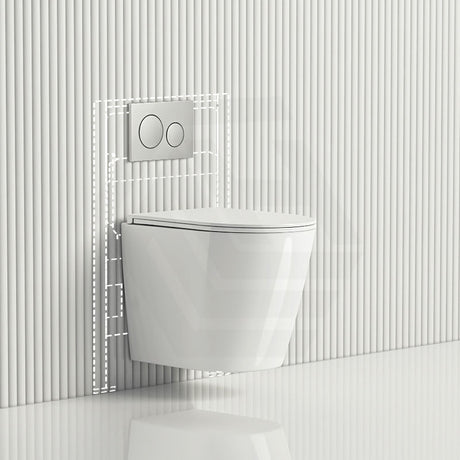
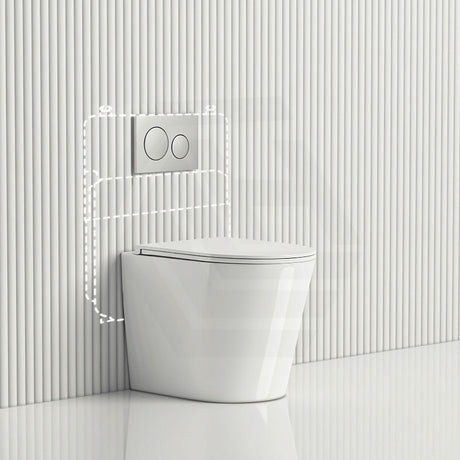
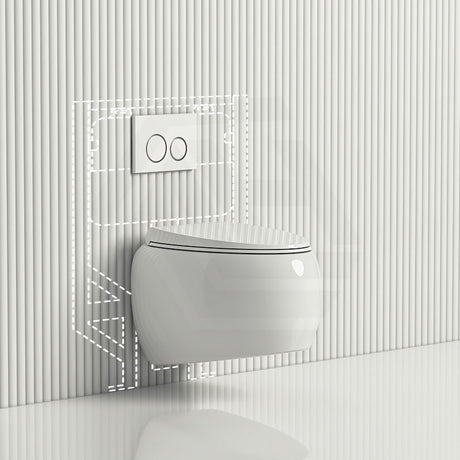
Concealed toilet options include wall-hung pans where the cistern and carrier frame are built into an in-wall cavity, and back-to-wall pans where the cistern and carrier frame are located in a nib wall.
No bulky cistern box cluttering things up. No awkward tank sitting behind the bowl — just gone. What you're left with is a flush button, sitting clean against the wall. That's genuinely it. And honestly? Once you've lived with that kind of setup, a standard toilet starts feeling almost dated. Almost embarrassing, really. Here's the thing though — the way these systems actually work varies more than people realise. Concealed toilet options include wall-hung pans where the cistern and carrier frame are built into an in-wall cavity, and back-to-wall pans where the cistern and carrier frame are located in a nib wall. One lifts the bowl off the floor entirely. The other keeps it grounded — still sharp, still sleek. Both brilliant options. Choosing between them? That's what this guide is for.
Video Credit: Skill Builder
Wall-Hung Toilet Pans
Wall-hung toilet bowls are supported by the concealed cistern carrier frame, and the toilet bowl and cistern frame are typically installed inside an internal wall cavity. A common feature of these designs is that the toilet bowl appears to float above the floor, creating a more streamlined aesthetic in contemporary bathrooms. This configuration is also an easy-to-clean alternative to floor-mounted toilet bowls.
Wall-hung concealed toilet pans typically use P-trap (wall outlet) drainage, as the waste connects through the wall cavity.
The wall-mounted flush valve mechanism can be hidden behind a panel to match your bathroom design.

Back-to-Wall Concealed Toilet
Back-to-wall concealed toilets combine floor-mounted pan aesthetics with a cistern that is concealed in a wall cavity behind the pan. Unlike wall-hung pan options, back-to-wall toilets sit on the floor and the cistern frame is generally hidden in a nib wall. The toilet flush button can also be concealed in the wall behind a panel that matches the bathroom design.

Common Concealed Toilet Design Ideas
Concealed cistern frames, carrier frames, and toilets are a popular design option in Australian homes, offering a modern, minimalist aesthetic. Below are some key features and considerations that you should take into account in your toilet design.
- Set-out depth: this is the sanitary drainage measurement and is a common figure used for concealed cisterns. Many concealed toilet systems are designed around a set-out relevant to their drainage type — P-trap wall-hung pans typically use a 185 mm height set-out, while back-to-wall S-trap pans commonly use a 180 mm set-out. This is important information for planning the carrier frame and pan selection and installation. - Cistern frame: the steel cistern or carrier frame is installed to support the in-wall cistern body, and can support around 400 kg for wall-hung pans, depending on the frame. - Carrier frame depth: most carrier frames add 100–150 mm to your design, so plan ahead for this depth in your wall cavity. - Wall-hung design options: wall-hung toilet pans typically sit 400 mm from floor to the rim height on the pan. The frame sits inside an internal wall cavity or inside a built-in furniture unit. - Back-to-wall pan design options: you can install a back-to-wall toilet pan against a cistern built into a nib wall (such as in an alcove). Some alcove niches feature storage options and suit large-format tiles (600 mm × 600 mm tiles and larger). - Concealed flush plate options: the cistern must be installed with a service hatch for flush plate access in case the flush valve requires service.

Choosing the Right Components: Cisterns, Suites, and Flush Buttons
In concealed cistern systems, the concealed toilet cistern body sits in the carrier frame, and the carrier frame can support the wall-hung toilet bowl. It is critical to choose components that fit each other properly. Many of these options are offered as matched sets, so it is recommended to choose complete in wall toilet suites, and then select a matching flush button.
| Component | What It Includes | Price Range (AUD) |
|---|---|---|
| In-wall cistern frame | Carrier frame and cistern body only | $165 - $1,283 |
| Complete in-wall toilet suite | Cistern body, carrier frame, and pan as matched set | $630 - $1,657 |
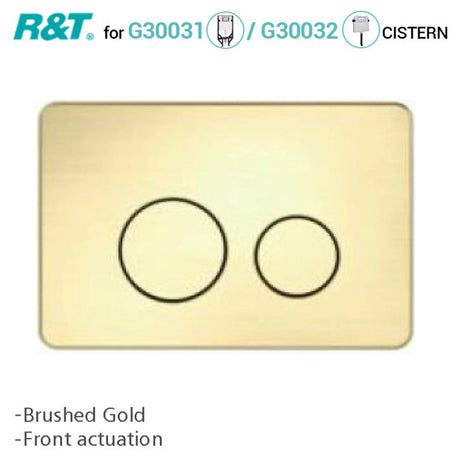
| Toilet flush button (actuator) | Visible flush interface, sold separately; finishes include chrome, matte black, brushed nickel, brushed gold, gunmetal grey | $24 - $978 |
Here is a breakdown of your options:
- Concealed cistern body and carrier frame: you need to install the frame in the wall cavity to support the pan, and the frame houses the cistern body. Two approved brands are Geberit and R&T. - In-wall or concealed toilet bowls: many toilets are specifically designed to fit the cistern body and frame for a streamlined installation. It is important to select your pan based on your cistern body and frame options. - Complete in-wall or concealed toilet suite: a concealed toilet suite generally comes with the cistern body, carrier frame, and pan as complementary parts — not alternatives to one another. These matched components are more likely to work together, and may offer additional warranty or support compared to purchasing the cistern frame, pan, or other separate components. - Toilet flush button (actuator): the toilet flush button is your visible interface for the concealed toilet system, and is always a separately selected accessory. You can select various sizes and finishes including chrome, matte black, brushed nickel, brushed gold, and gunmetal grey, among others. These buttons can be installed in the service hatch area on the cistern carrier frame.
At MyHomeware, in-wall cistern frames range from $165 and $1,283, complete in wall toilet suites from $630 to $1,657, and flush buttons from $24 to $978.

Installation Considerations and Australian Compliance
Installing a concealed toilet cistern is not a DIY project. State and territory legislation requires that only licensed plumbers can perform plumbing work, including installing toilets and associated plumbing fittings, and can provide the compliance certificate for the work.
It is also important to have the wall cavity that houses the concealed toilet frame waterproofed before tiling. The National Construction Code (NCC 2025) and AS 3740:2021 specify that wet areas be waterproofed by a licensed waterproofer. The correct sequence is: install the carrier frame first, complete waterproofing, then tile.
Compliance in Australia includes WaterMark certification for concealed toilet systems, which certifies that products meet Australian standards for performance and water safety. Sanitary drainage connections must also comply with AS/NZS 3500.2:2025 — ask your licensed plumber about these requirements.

Water Efficiency: Dual-Flush Concealed Cisterns
The dual-flush concealed toilet cistern ideas extend to water conservation, with two flush options: a full flush of 4.5 L and a reduced flush of 3 L. On average, it uses 3.3 L per flush and can achieve a 4-star WELS rating.
Dual-flush toilets must comply with Australian standards for water use, including AS/NZS 6400:2016.

Buying Concealed Toilet Suites in Australia
There are many options in concealed cisterns and frames, concealed toilets, and flush buttons. You'll need to check Australian WaterMark certification, which is provided through the Australian WaterMark Certification Scheme. Exploring concealed toilet cistern ideas early in your reno helps ensure the right components are specified before trades are booked.

Common Pitfalls to Avoid When Installing a Concealed Toilet
Common mistakes can occur when planning to install a concealed toilet:
• Poor planning and installation: a licensed plumber can advise on set-out measurements, among other requirements. Purchasing a new toilet pan before engaging a licensed plumber is a common mistake — it may not fit.
• Compatibility issues: it is better to purchase a concealed toilet suite to ensure the cistern frame, toilet bowl, and other components work together.
• Lack of coordination: coordinate your trades to ensure the cistern carrier frame is installed first, followed by waterproofing the cavity, and then tiling.
References
State and territory plumbing licensing authorities (Building and Plumbing Commission Victoria; Building Commission NSW / NSW Fair Trading; Queensland Building and Construction Commission; Plumbers Licensing Board Western Australia (administered by Building and Energy); Consumer, Building and Occupational Services Tasmania; Access Canberra ACT; Office of the Technical Regulator / Consumer and Business Services South Australia; Plumbers and Drainers Licensing Board Northern Territory)
AS 3740:2021 Waterproofing of Domestic Wet Areas, Standards Australia
AS/NZS 3500.2:2025 Plumbing and Drainage — Sanitary Plumbing and Drainage, Standards Australia
AS/NZS 6400:2016 Water efficient products — Rating and labelling (incorporating Amendment No. 1:2022 and Amendment No. 2:2022), Standards Australia
WaterMark Certification Scheme, Australian Building Codes Board