24 June, 2026
How Does a Toilet Work? A Practical Overview for Aussies
Curious how does a toilet work? Learn how the cistern, flush valve, and trap all connect — so you can spot faults and call a licensed plumber fast.

You use it a dozen times a day without a second thought — until 11pm on a Sunday, something goes sideways, and suddenly there you are: phone torch in hand, cistern lid off, wondering what on earth that hissing noise is. Understanding how a toilet works goes well beyond trivia — for any Australian homeowner, it's genuinely useful stuff.
Video Credit: Southwest EFC
The Parts That Make Up a Toilet
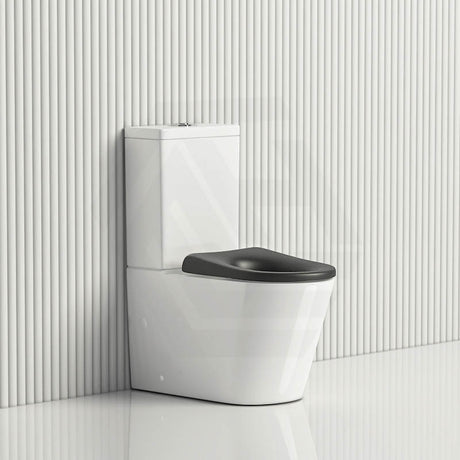
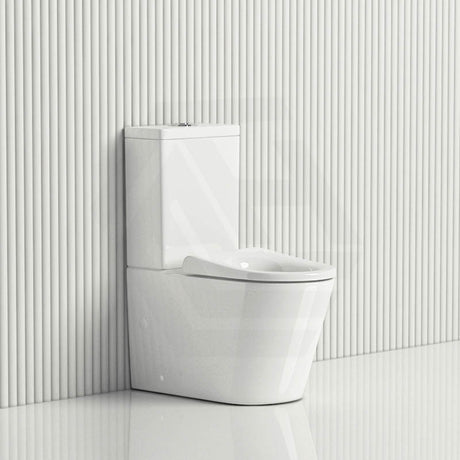
Strip back the design and every toilet suite shares the same core parts — no matter how different they look on the showroom floor. There's the pan (the bowl you sit on), the cistern (the water reservoir above or behind — never call it a "tank," your plumber will wince), the inlet valve that manages incoming water, the flush valve that lets water go when you hit the button, an overflow tube sitting there as a failsafe, and the trap — that curved bit of pipe at the base that quietly does more work than most people ever realise.
Every part has its own job to do, and when the whole lot is ticking along nicely, you'd never give any of them a second thought. One part gives up the ghost, though, and suddenly the whole system makes itself very well known — loud, inconvenient, and always at the worst possible moment.

The Flush Mechanism, Step by Step
Hit the push button — here's the sequence, step by step. Inside the cistern, that button either lifts or releases the flush valve. From the cistern, water drops hard into the pan — through rim jets on older suites, or directed nozzles on newer rimless designs. That surge triggers a siphoning action in the trap — waste gets pulled straight through and into the waste pipe. Roughly four to six seconds — that's all it takes for the cistern to drain.
After that, the refill kicks in. As the water level drops, the inlet valve — a float or diaphragm type — opens up, then shuts off once the cistern hits its preset level. The dual-flush push button is standard across most Australian toilets — full flush at 4.5 litres (AS/NZS 6400:2016), half flush at 3 litres, all sitting under the WELS 4-star water efficiency rating. Compared to older single-flush systems, Australian homes burn through far less water per flush — and the dual-flush design deserves most of the credit.

The Trap and Drain System Explained
Quietly doing the hard work, the trap is the part most people never think about. See that water sitting in the bowl? It's the trap seal — a standing water barrier that stops sewer gases from pushing back up through the waste pipe and into your bathroom. Take it away and the smell would be something else entirely.
Australian bathrooms run on one of two trap configurations. Floor-exit S-traps — setout typically 100 to 120mm from wall to pipe centre — turn up in the vast majority of existing Australian homes. Wall-exit by design, a p trap toilet sits at roughly 185mm setout — the go-to choice in new builds where floor drainage simply isn't an option. Before you buy a toilet suite, confirm that measurement — it's critical. Ask your plumber — they'll tell you straight away which configuration you've got. Across Australia, sanitary plumbing and drainage requirements fall under AS/NZS 3500.2:2025 — every trap and drain connection has to meet it.

Toilet Types You'll Find in Australian Homes
This is where things get interesting — and where a lot of buyers get confused, because there are actually several independent specifications to consider simultaneously. Trap configuration is one dimension. Pan style is another. Cistern type is a third. A single toilet suite can be rimless, P-trap and close-coupled all at once — these are not alternatives to each other.
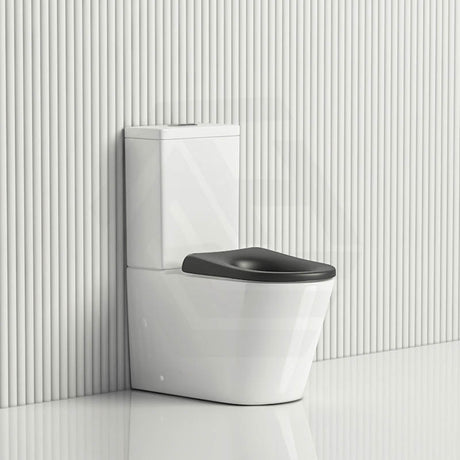
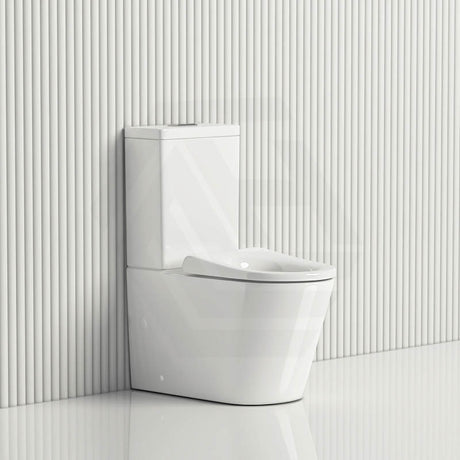
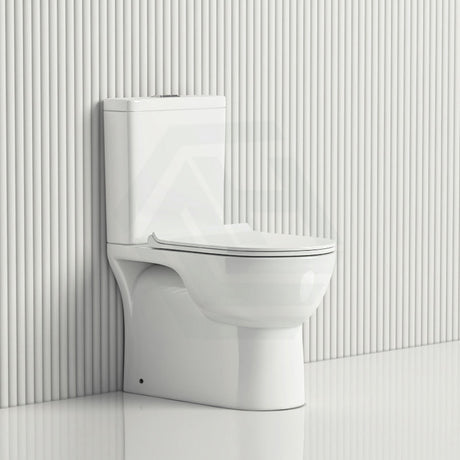
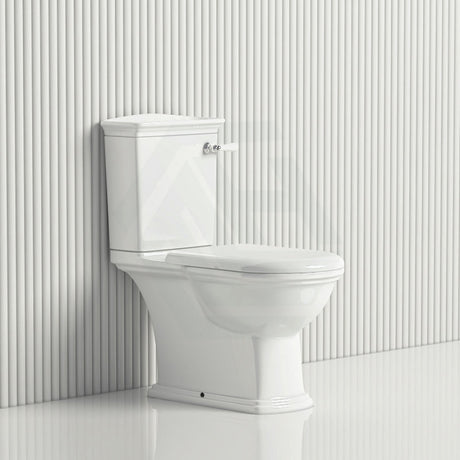
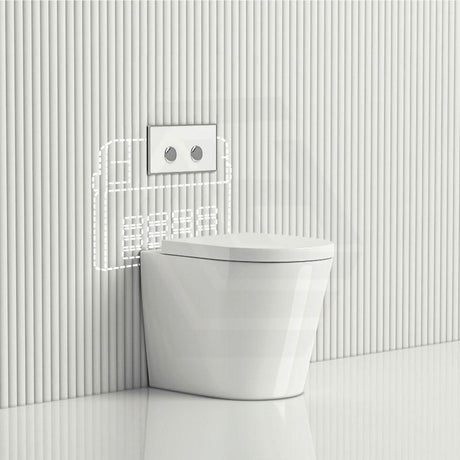
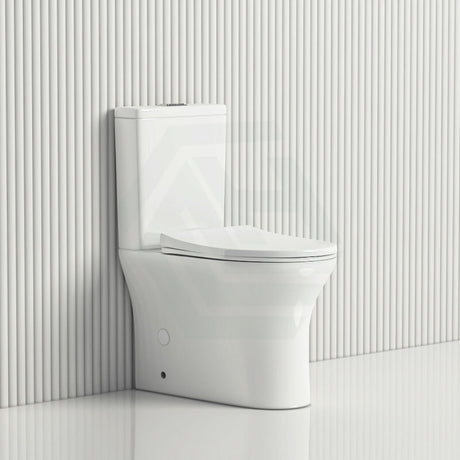
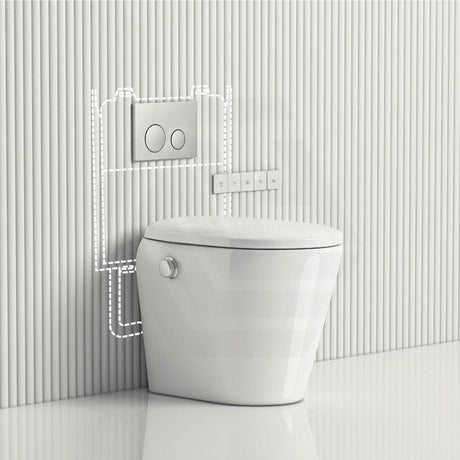
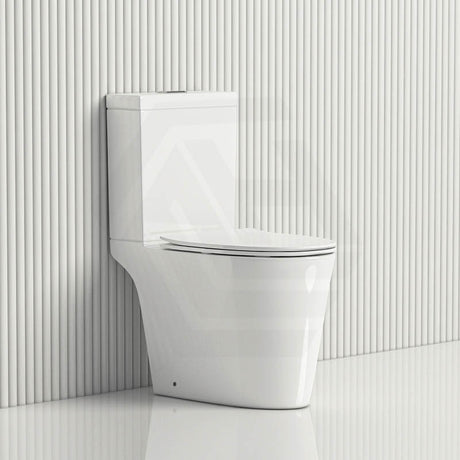
Close-coupled suites (cistern sits directly on the pan) are the most common and affordable, generally ranging from around $185 to $400 for a budget model. Wall-faced designs sit flush against the wall for a cleaner look. In-wall toilet cistern systems — from brands like Geberit and R&T, with the cistern module starting from $165 — conceal the cistern entirely inside a wall cavity for a minimal aesthetic. On the pan-style dimension, a rimless commode such as those in the Fienza range features Nano-Glaze coating that resists staining and simplifies cleaning. These pan-style, cistern-type, and drain-outlet choices are each made independently when specifying a suite.

Troubleshooting and Maintenance Tips for Aussie Toilets
A running cistern is one of the most common toilet complaints in Australian homes. It usually means the inlet valve isn't seating properly, or the float is set too high and water is trickling into the overflow tube. Both are straightforward for a licensed plumber to diagnose and fix — and understanding how does a toilet work makes it easier to describe the problem accurately.
A slow-filling cistern often points to a partially blocked inlet valve filter — mineral deposits from hard water are a frequent culprit in many parts of Australia. Homeowners can visually inspect the cistern components and clean accessible parts, but any work involving the water supply connection requires a licensed plumber.
Ghost flushing — where the toilet refills on its own without being used — typically indicates a worn flush valve seal allowing water to leak slowly into the pan. Again, your plumber will replace the seal quickly; a like-for-like toilet suite replacement generally takes a licensed plumber one to two hours from start to finish. Knowing how does a toilet work helps you communicate symptoms clearly and avoid unnecessary call-out costs.
For day-to-day maintenance, use a non-abrasive cleaner inside the bowl and avoid drop-in bleach tablets that sit in the cistern — they degrade rubber seals over time and can cause exactly the kind of valve failures described above.
References
AS/NZS 6400:2016 Water efficient products — Rating and labelling (incorporating Amendment No. 1:2022 and Amendment No. 2:2022), Standards Australia
AS/NZS 3500.2:2025 Plumbing and Drainage — Sanitary Plumbing and Drainage, Standards Australia
WaterMark Certification Scheme, Australian Building Codes Board
State and territory plumbing licensing authorities (Building and Plumbing Commission Victoria; Building Commission NSW / NSW Fair Trading; Queensland Building and Construction Commission; Plumbers Licensing Board Western Australia (administered by Building and Energy); Consumer, Building and Occupational Services Tasmania; Access Canberra ACT; Office of the Technical Regulator / Consumer and Business Services South Australia; Plumbers and Drainers Licensing Board Northern Territory)