03 June, 2026
Small WC Ideas for Australian Bathrooms
Struggling with a tiny toilet room? Explore small wc ideas tailored for Australian homes, with smart layouts and compact suite tips.

Video Credit: Home Decor Ideas
Why Small WCs Demand a Different Design Approach
A small water closet — a little room with just a toilet tucked away off a hallway, beneath the stairs or in other unexpected places — is always a desirable addition to an Australian home. At the same time, small wc ideas are perhaps the hardest rooms in an entire home to design within your budget and constraints. Between 0.9 m² and 1.5 m², you don't have the luxury of wasting much space.
What many people don't understand (and often only realise after the point of no return) is that standard design ideas won't translate to small wc ideas. A regular close-coupled suite alone will take up 750 mm of pan depth. Add in a swinging door, a basin, and poor design planning and suddenly you find a small WC that doesn't seem possible, before even the tiling work gets started.
Australian building standards aren't going anywhere. Under the NCC 2022 Livable Housing standards, new WCs must provide a minimum 900 mm × 1,200 mm (NCC 2022, ABCB Housing Provisions, Part 12.2) clear zone in front of the toilet pan, and doorways need a minimum 820 mm clear opening. These are not soft targets. You need to plan for them from the get-go; this is what makes a WC successful versus one that causes stress every time someone has to use it.
So, once you've got a good grasp on the constraints, what's next? The answer is a layout — one that works within the boundaries that you've created.

Space-Saving Layouts and Dimension Guidelines
The layout will essentially act as the skeleton that holds the entire design together. Get it wrong and there's no amount of clever tiling or fancy fixtures that will save it. There are three main types of layouts you can consider when designing your new small wc ideas: straight or galley, corner-entry, and a pocket or sliding door style.
A straight layout — with a toilet at one end, a basin at the opposite, and an in-swinging entry door — is the most popular. This can definitely work in a room that's 1.2 m² or bigger, but in a 0.9 m² area that in-swinging door can completely eat up any available floor space. And so it becomes a very important consideration: what style of door will work best? If you switch to a sliding or pocket door, in that same scenario you could gain around 300 mm of floor area. The good news is, sliding door systems and fittings tend to come in the range of $200 and $600, so you can get this type of space-saving functionality quite affordably.
A corner-entry design, meanwhile, places the door on a diagonal entry point. It's a less common layout, but it can work especially well if you're in a situation where the size and layout of the room is a bit off. Whichever you decide, bear these in mind: 600 mm of clearance minimum from the toilet pan centre to a wall or obstruction on both sides, and 600 mm clearance to the front (900 mm by the NCC for livable housing in new builds). They are absolute musts.
Having settled on a layout and a door configuration, we move down to smaller details. It's the basin and tapware in particular that can yield significant savings on space through the use of compact fixtures.

Fixtures and Fittings That Maximise a Small WC
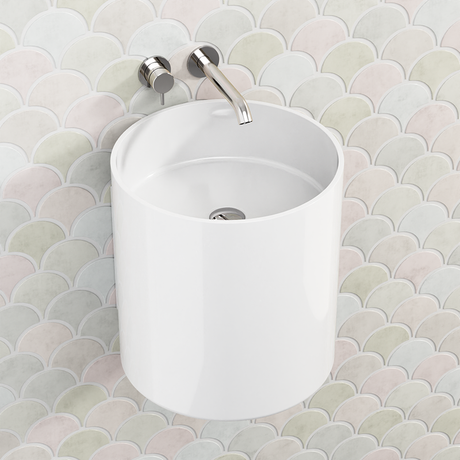
The basin is usually the second biggest fixture in a small WC, and its size is critical. A 400 mm wall-hung basin is a popular choice. Its floor-free footprint makes a compact room read as lighter and less cramped. The most space-efficient is a corner basin at 300 mm — ideal for a 0.9 m² room where clear floor space is at such a premium. You can expect a compact basin to run from $80 to $350 in the Australian market.
When you're looking at tapware, it's worth considering a mixer that mounts to the wall above the basin rather than onto the deck. It removes the need for any tap holes in the basin and leaves the basin surface entirely clear — a clean look that also makes compliance checks straightforward. All tapware in Australian bathrooms must carry WaterMark certification (WaterMark Certification Scheme) (NCC 2022, ABCB Housing Provisions, Part 10.8) — your licensed plumber will be aware, but it's a simple check on all tapware as you buy.
Another key consideration for a windowless WC is ventilation via an exhaust fan of at least 25 L/s, as required by the NCC in all fully enclosed wet spaces. The air movement it creates keeps the room fresh and avoids the risk of excessive humidity leading to water damage over time.
With basin and tapware covered, the toilet suite is the largest fixture in a small WC and so has the most influence on both space and cost.

Toilet Suite Options for Tight Spaces
Here is where small wc ideas become even more relevant. Toilet suite technology has moved on significantly in recent years, and there are three configurations worth understanding:
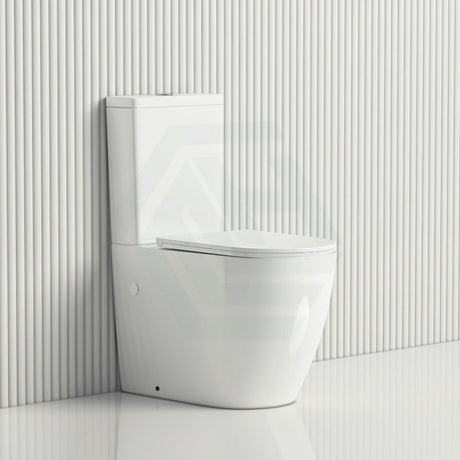
Close-coupled suite. The cistern sits directly on the pan — the most standard and affordable option, from around $300 installed. Pan depth runs 720–780 mm, so it works well in a WC of at least 1.5 m² but is quite tight in a smaller room.
Back to wall toilet suite. This reduces pan depth to 620–680 mm, with the cistern concealed behind the pan in a built-in shroud or cupboard. The room feels a bit larger as a result. A back to wall toilet starts from $600 installed, with brands such as Poseidon, Fienza, and Kohler leading the market across the mid to premium range.
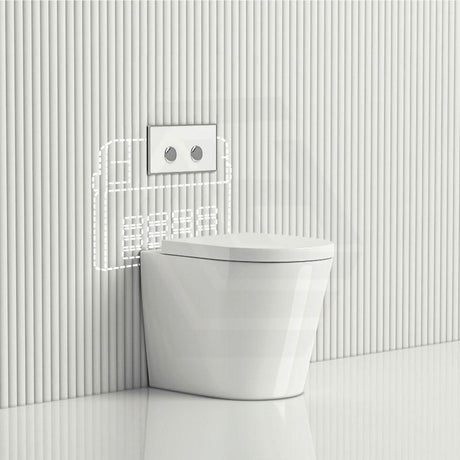
Floating toilet with an in wall cistern. A floating toilet (wall-hung pan) has a pan depth of between 480 and 560 mm — roughly 150–200 mm shallower than a floor-mounted suite — and mounts 150–400 mm above the floor, making cleaning underneath straightforward. The pan alone ranges from $303 to $934, with total installed cost starting from $900. The wall-hung pan is supported by an in wall cistern built into a framed stud wall cavity 120–150 mm deep. Critically, that cavity must be framed before waterproofing and tiling — it cannot be retrofitted after the room is already tiled. Note that an in wall cistern can also pair with a back to wall toilet pan, not just a wall-hung pan. All toilet suites sold in Australia must carry WaterMark certification, which your licensed plumber will verify prior to installation.

Storage, Finishing Touches, and Final Fitout Tips
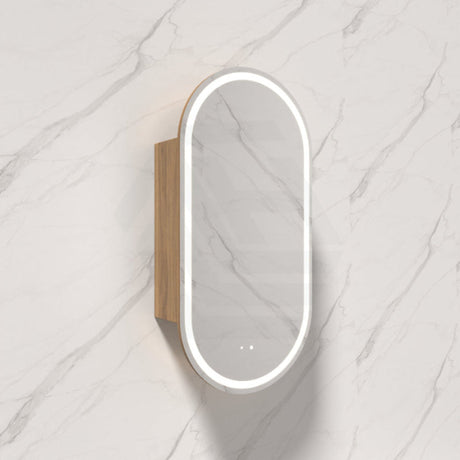
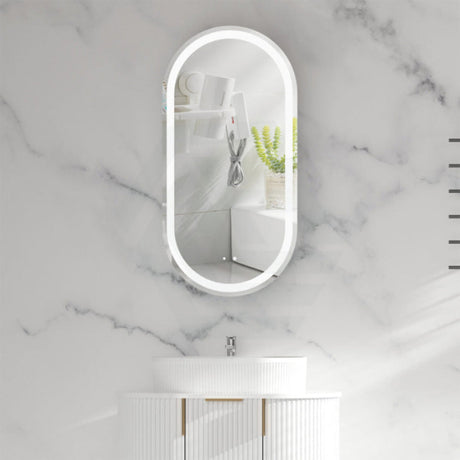
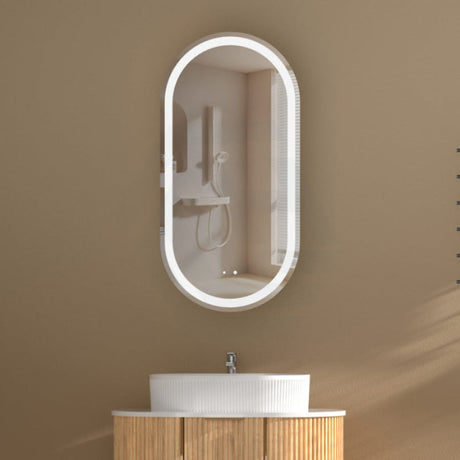
Storage in a small WC shouldn't be an afterthought but rather a design opportunity. For example, you could build a recessed wall niche 100–150 mm deep above the cistern area and tile it to match the wall — a neat shelf for hand soap or a small plant that doesn't protrude from the wall surface. A mirrored shaving cabinet above the basin adds storage while reflecting light to make the room feel larger. Standard shaving cabinets range from $153 to $701, with LED-integrated models starting at $390 — note that hardwired LED cabinets must be installed by a licensed electrician. If you chose the in wall cistern solution, a shallow floating shelf beside or above the flush plate can hold hand towels or small accessories without consuming much vertical space.
Tile selection also shapes how large the WC feels. Use the largest format you can manage — up to 600 × 600 mm works well for a 0.9 m² WC floor — in lighter colours to reflect both natural and artificial light. An accent tile on the back wall behind the pan adds visual interest without cluttering the space.
When fitting your WC, avoid a door that swings into the pan or basin, overhead cabinetry that lowers the perceived ceiling height, and skimping on the exhaust fan — condensation damage costs far more to fix later. All plumbing, waterproofing, and hardwired electrical work must be completed by the relevant licensed tradespeople and signed off to certify compliance with Australian standards. Finally, small finishing details make a real difference: an upgraded flush button in brushed brass or brushed nickel, a quality cotton hand towel, and a trailing plant on the recessed niche above the cistern all lift the feel of the room considerably.
References
National Construction Code 2022, ABCB Housing Provisions, Part 12.2 Livable Housing
National Construction Code 2022, ABCB Housing Provisions, Part 10.8 Condensation Management
WaterMark Certification Scheme, Australian Building Codes Board
State plumbing licensing legislation (VBA Victoria; Fair Trading NSW; QBCC Queensland; Building Practitioners Board WA; CBOS Tasmania; ACTPLA ACT; Building & Energy SA; ABPB NT)