03 June, 2026
Best Bathroom Designs: Our Top Picks for 2026
Discover the best bathroom designs for 2026. An Australian expert shares 30 years of tips on fixtures, ventilation, and lasting style.

Video Credit: Penny Modern
What Makes a Bathroom Design Stand Out in 2026
Having designed bathrooms all over Australia over 30 years — from small ensuites in suburban townhouses to large wet rooms in the display homes of luxury housing developments, I can assure you that the best bathroom designs are not just about how a space looks on handover day. It is really about how well the design will stand the test of 15 years of family life after the project is complete.
The basics have not changed much in my career. The way fixtures and fittings line up with the plumbing stacks, good cross-flow ventilation, compliance with the membrane standards, and WELS water ratings are still the important underpinnings of a successful bathroom design. What has changed in those 30 years is the breadth of quality products that you can buy in various price ranges, and the notion that bathrooms should be designed to be a place that you want to linger in, and not just walk through to get to your next appointment.
The most popular sizes in Australia are generally: the powder room (with minimum dimensions 1,200 × 1,500mm), the standard sized bathroom (1,500 × 2,100mm), and the ensuite and master bathroom (2,400mm wide and above). The first task in every bathroom design is to decide which of these size groups your bathroom fits within, as they each have a different set of spatial requirements, before deciding on any tiles, sanitaryware, or fixtures.
In light of these performance considerations, the best way to decide what bathroom design works best for you is to review the different layout styles, how they work, and what compromises they each imply.

Popular Bathroom Layout Styles and Their Practical Trade-Offs
These are the most common styles of bathroom design in Australia: the combined shower and bath bathroom, the separate wet room, and the ensuite bathroom, each with its own requirements and cost implications.
A wet room is the ultimate in contemporary, European design, and has full accessibility for mobility-impaired people. However, it does have its drawbacks in terms of build cost: waterproofing all of the walls and floors to comply with NCC 2022 Part 10.2 standards, plus the costs of a linear floor waste and highly skilled tile-laying labour can add significantly to the overall build cost.
The separate shower and bath design is a practical and effective option, especially for family bathrooms with dimensions like 1,800 × 2,700mm. Here, the shower recess and bath are set well apart from each other. As a rule of thumb, the shower should ideally be at least 900 × 900mm, but I always recommend 1,000 × 1,200mm if the plan allows it. A very common mistake on residential bathroom designs is specifying the shower recess as being too small. Another common problem is having the towel rail positioned behind where the door will swing open when it is used. Taking just 15 minutes to verify these two things upfront is an investment that will pay dividends down the track in the final design of your bathroom.
When you have decided which bathroom layout is best for your project, the next set of considerations — materials and finishes — will define how your bathroom stands the test of time as well as how much it will cost.

Materials, Fixtures and Finishes: What to Specify and Why
Large-format porcelain tiles in 600 × 1,200mm are now the standard specification in Australian bathroom design. These tiles have grown in popularity because of their smaller number of grout joints, easy-clean surface, and realistic stone print that is more affordable than the real thing. The substrate, on the other hand, needs to be flat — large-format tiles do not tolerate uneven substrate.
Floor tiles in wet areas need to be P4 or P5 rated as per AS 4586. Typically, matte-finish porcelain tiles meet this requirement. They are also very robust in terms of foot traffic, as well as the presence of cleaning products that can sometimes degrade more polished surfaces. Rectified tiles should be specified in the shower area where grout joints of 1.5–2mm are desired.
None of this is worth a thought without waterproofing to comply with the NCC 2022 Housing Provisions Part 10.2. Shower walls must be waterproofed to 1,800mm above the floor substrate (NCC 2022, ABCB Housing Provisions, Part 10.2), and walls adjoining baths to 150mm above the bath rim at the very least. Have this stage inspected by a registered certifier.
When it comes to finishes, matte black tapware is now very much the specification of choice across Australia. For a warmer metal finish, brushed gold and brushed nickel are seeing their popularity surge. There is also gunmetal grey for people wanting to move on from matte black, but not go to brass.
Surfaces set the scene, but the bathroom fixtures — vanity, toilet, and bath — make up the backbone of your design.

Key Fixtures That Define the Best Bathroom Designs
The best bathroom designs all come down to choosing three major fixtures before construction commences.
A wall hung vanity is the most requested option in my bathroom designs for ensuites. Lifting the vanity off the floor, with a finished height of 850–900mm, provides a visual sense of openness and simplifies cleaning. Wall hung vanity units come in widths from 600–1,500mm and the wall they hang from needs to be structurally sound to take the weight of the cabinet and bench top. A plywood-lined wall is preferred over a plasterboard-framed wall.
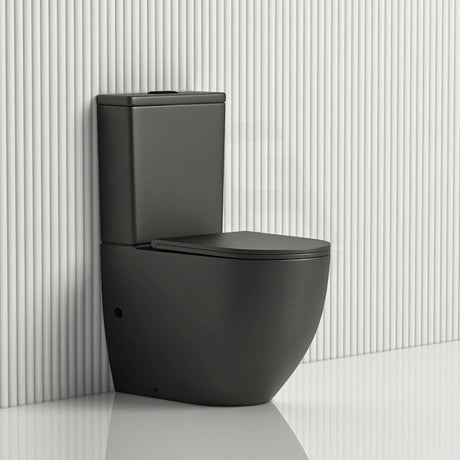
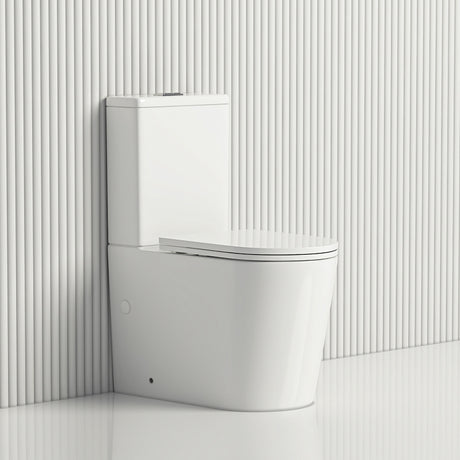
A back to wall toilet with an in-wall cistern — Geberit and R&T are the systems I specify most often — saves 150–200mm of floor footprint compared to a close-coupled suite. In a 1,500mm wide bathroom, this is not negligible. Check the rough-in with your licensed plumber before you close up the frame. All fixtures and fittings must be WaterMark certified, and all products in the WaterMark Schedule must be lead free from 1 May 2026 (WaterMark Certification Scheme). Under AS/NZS 3500.4, tapware and mixers must deliver a maximum water temperature of 50°C (AS/NZS 3500.4) to bathroom outlets; this is best addressed by requesting a thermostatic mixing valve at rough-in.
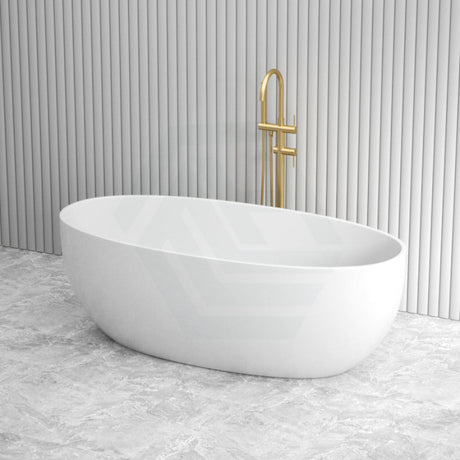
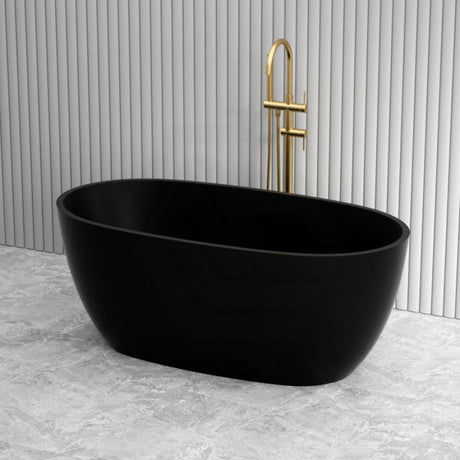
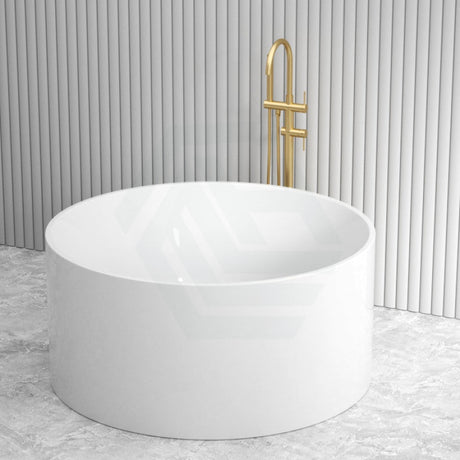
With those compliance boxes ticked, you can turn your attention to the statement pieces — a freestanding bath is a dream centrepiece that needs to be thought about well in advance. Broadway freestanding bath models start from $878, with larger or more distinctive baths reaching $7,000 and above. The floor waste must be positioned directly under the overflow and you need to confirm the subfloor can bear the load. You need 200mm of clearance on all sides of a freestanding bath for cleaning and access, so there needs to be at least 1.8 metres of clear floor space before a freestanding bath can be specified.

Your 2026 Bathroom Renovation Budget and Timeline
The budget figures I give clients are based on my current 2026 experience and pricing. A cosmetic upgrade with new tapware, vanity, toilet suite, and tile over existing waterproofing can range between $8,000 and $15,000. A complete bathroom renovation involving relocation of the plumbing stack, new waterproofing, new framing, and better quality fixtures can range between $20,000 and $40,000, more for a large bathroom or a heritage-listed property.
Relocating the plumbing stack is where costs most escalate. If you need to move any waste point more than 300mm from its current position, budget for a significant increase in plumbing and waterproofing costs. Clients who confirm the current plumbing stack rough-in before design commences consistently avoid these surprises.
All my bathroom projects follow the same process: the design brief and trades quotes, product lead times, and finally any council, certifier, or body corporate requirements. Any long-lead-time items such as a custom vanity or an imported bath should be ordered once the design has been approved, rather than waiting until demolition.
References
National Construction Code 2022, ABCB Housing Provisions, Part 10.2 Wet Areas
AS 3740:2021 Waterproofing of Domestic Wet Areas, Standards Australia
WaterMark Certification Scheme, Australian Building Codes Board
AS/NZS 3500.4 Plumbing and Drainage — Heated Water Services, Standards Australia