05 May, 2026
Japanese Style Bathroom: Soaking Tubs and Natural Materials
Japanese style bathroom ideas featuring soaking tubs, hinoki timber and natural stone. Minimalist wet room design with authentic materials for a serene Australian bathroom retreat.

What Defines a Japanese Style Bathroom
What makes me interested in the Japanese style bathroom is the real sense of purpose in their bathroom design, and I think there are some lessons to be learned there as Australia looks to rethink what their bathroom should actually be. In contrast to the traditional Western bathroom, the main focus is the soaking tub, rather than the shower which is a precursor to bathing. In an Australian context, this would require a wet area that is completely waterproofed with floor-to-ceiling tiles in a zone separate and adjacent to the tub. A minimum floor area of 6 square metres is worth targeting for a functional Japanese style bathroom where both the wet area and tub do not feel compressed together.
A mediterranean bathroom would typically feature an open shower, generous tiled floor, and wall niches distributed across the space. That is not a judgement that one approach is superior; they simply prioritise differently. Knowing what to do with your existing floor plan can be important when deciding which spatial principles to retain.

Natural Materials Used in Japanese Bathroom Design
Once you have determined your floor plan and decided on your Japanese bathroom design wet area layout, the next important consideration is natural materials and how to use these in the bathroom environment.
The premium choice of material is hinoki cypress timber, which can be used for tub surrounds or feature cladding. Hinoki timber requires regular oiling and must never be submerged or left wet for extended periods. It also has a good level of natural moisture resistance and a distinctive warm, clean scent. Teak is a good choice for a bath deck and performs well in direct splash zones, lasting a long time due to its naturally occurring silica content. Bamboo is appropriate for accessories and shelving but is more vulnerable to moisture movement than teak and is best kept away from structural wet-area elements.
Natural stone — slate, granite, and basalt in particular — in an unglazed finish is a strong choice for flooring and wall cladding in a Japanese bathroom design. Slip resistance is non-negotiable: all wet-area floor tiles must meet the P-rating requirements under AS 4586, with P4 or P5 ratings recommended for shower floors and the area immediately surrounding a soaking tub. For those seeking a similar appearance, porcelain tiles in slate or stone looks offer a practical alternative with lower porosity than ceramic and better long-term durability in a wet area.

Soaking Tub Dimensions, Types and Installation Considerations
Walls and floors done — the tub is what the whole bathroom actually revolves around.
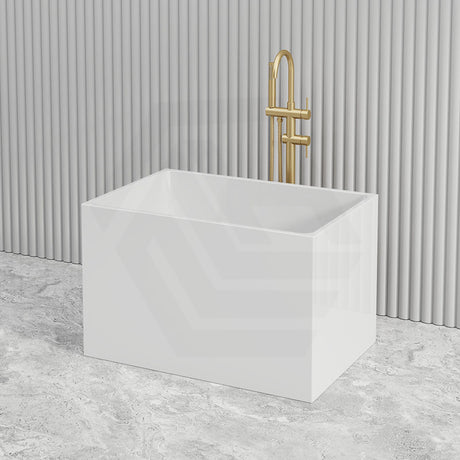
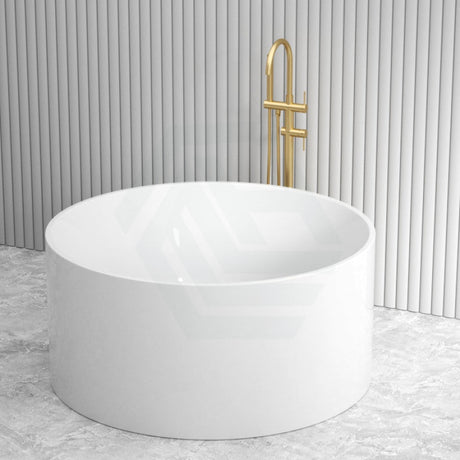
The traditional ofuro measures 700–800 mm across and 700–800 mm front to back, yet its height is only 600–650 mm — compact on the floor, but deep enough for a real full-body soak. At 1500–1700 mm long, the standard Australian freestanding tub is a fair bit shallower than its Japanese counterpart. These two formats feel completely different in use — lock in your choice before the plumbing rough-in, because your licensed plumber needs that decision made early.
The material the shell is made from goes beyond looks — it carries genuine structural consequences. Acrylic freestanding tubs are light, warm underfoot, and available from $878 — the trade-off is fairly modest heat retention. Stone resin is a step up on heat retention and priced accordingly; cast iron beats both on thermal performance, but the weight can exceed 200 kg — at that point, a structural assessment of the floor framing is often unavoidable before installation. Whatever material you land on, a licensed plumber has to handle every waste and water supply connection — no exceptions.
Hot-water system capacity deserves serious thought long before you finalise anything. Deep ofuro-style tubs hold 300–400 litres, so a 170-litre system has no hope of filling a 350-litre tub — get continuous flow or a 400-litre system sorted before you even spec the tub, and keep the regulatory requirements on your radar throughout. One more thing — the bathroom outlet water temperature cap of 50°C is mandated under (AS/NZS 3500.4), and your system has to be configured to match. Around the bath itself, the waterproofing minimum height requires a splash zone waterproofed to 150 mm above the tub rim (NCC 2022, ABCB Housing Provisions, Part 10.2) — and the waterproofing compliance standard that governs this is (AS 3740:2021), which details precisely what a compliant membrane specification must include.

Picking a Japanese Bath or Freestanding Soaking Tub That Works for Your Home
Get the compliance boxes ticked first — hot-water capacity, temperature limits, waterproofing — and the selection process becomes far more straightforward.
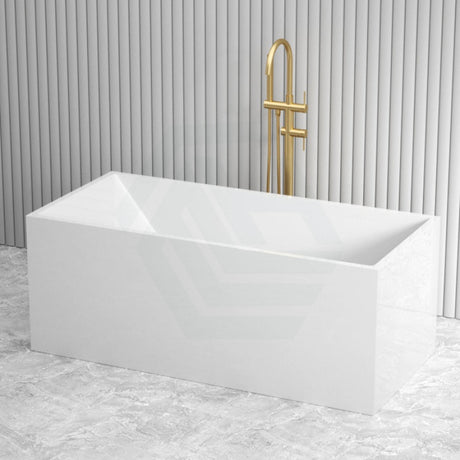
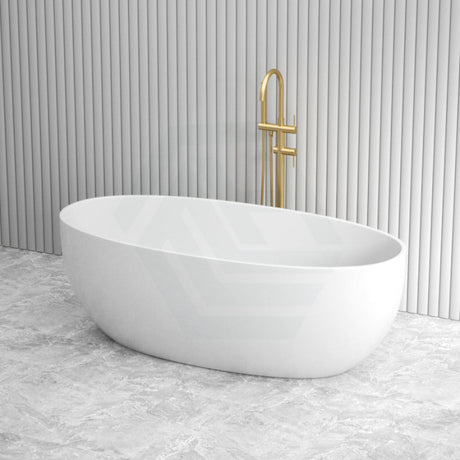
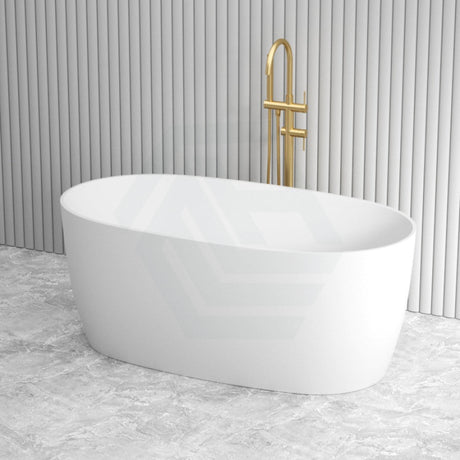
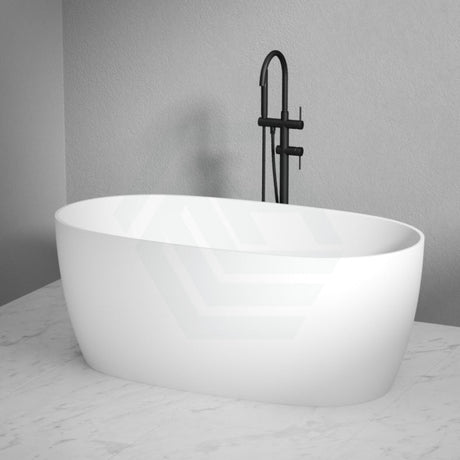
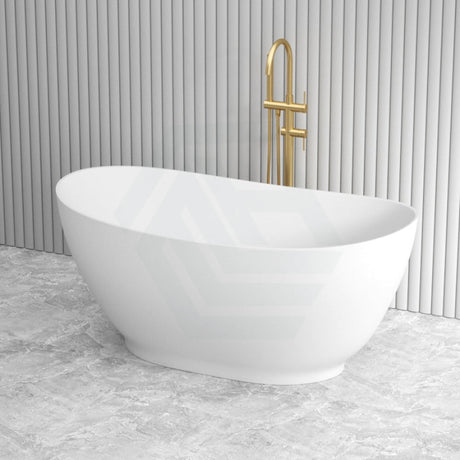
In a 6–8 square metres bathroom, a compact back-to-wall tub from $938 is a smart fit — it suits the footprint and won't blow out rough-in costs. A larger room is where a freestanding soaking tub really earns its place — oval or rectangular stone resin both read brilliantly as a centrepiece. Broadway carries 55 freestanding bathtub options from 1500 mm in length — if real soak depth matters, the deeper formats from Poseidon and CETO deserve a proper look. Chasing a japanese bath in Sydney? A supplier with a proper japanese bath tub sydney range keeps stock local and cuts out a lot of logistical pain.
For a clean, uncluttered tub surround, a wall-mounted bath spout is hard to beat — Meir and Fienza have solid options across brushed nickel and brushed gold. A Japanese style bath with a wall spout reads far cleaner than a floor-mounted mixer — that said, compliance is every bit as important as aesthetics when you're sourcing fittings. NSW buyers should use a retailer stocking WaterMark-certified products (WaterMark Certification Scheme) — non-certified fittings can be rejected outright by local plumbing authorities, which makes NSW plumbing compliance a real, practical concern from day one.

What It Costs — and Where Most People Go Wrong
A complete Japanese style bathroom renovation in Australia — bath, tiling, waterproofing membrane, rough-in plumbing, and any natural material features — will typically come in somewhere between $18,000 and $45,000, depending on materials and room size. Just the tub starts at $878 for a quality acrylic freestanding soaking tub — step up to stone resin and you're looking at $4,000-plus. Natural stone floor tiling with licensed waterproofing adds another $4,000–$8,000 on top of that.
These are the slip-ups that bite people most often:
Running a 170-litre hot-water system alongside a 350-litre deep soaking tub — lock in continuous flow or a 400-litre system well before you spec the tub.
Stopping the waterproofing at just the immediate splash zone — the membrane has to extend across every area adjacent to the tub, and rectifying it once the tiles are laid costs considerably more.
Skipping the seal on timber in wet zones — hinoki and bamboo are beautiful, but both need sealing and treatment; leave raw timber ends near water and deterioration sets in within two years.
Positioning the overflow at standard Australian bath height — a deep Japanese style bath needs the overflow set to the actual intended water depth, otherwise the whole soak experience is compromised.
Get those four details right from the start and the costly rectification work that typically emerges in the first few years simply won't happen.
References
AS/NZS 3500.4 Plumbing and Drainage — Heated Water Services, Standards Australia
National Construction Code 2022, ABCB Housing Provisions, Part 10.2 Wet Areas
AS 3740:2021 Waterproofing of Domestic Wet Areas, Standards Australia
WaterMark Certification Scheme, Australian Building Codes Board