10 April, 2026
Japanese Bathing: Design, Dimensions and Benefits for Your Bathroom
Japanese bathing guide: soaking tub dimensions, design principles, materials and installation tips for Australian bathrooms. Create a relaxing, space-efficient Japanese-style bath experience at home.

Japanese bathing represents a design concept that really upends how most Australians conceptualise their bathroom. I first encountered it in a design fair in Tokyo, some 15 years ago, and I remember being impressed less by the beauty of it than its functionality; the separation of washing from bathing, the depth and size of the baths and the spatial arrangement of each.
Understanding Japanese Bathing Culture and Design Philosophy
The first thing to know is that in Japan, the bathing process involves two stages, the first being the washing before the soaking bath, and the second is the bathing. In Japanese bathrooms, the shower area sits beside the tub, not above it. The room itself becomes a wet room, and drains are incorporated into the floor. The soaking tub is deeper and shorter than Australian baths, and is designed for sitting, not lying down. This also necessitates more space, around 1.5 x 2 metres, plus a shower. My experience with Australian bathrooms is that the biggest change is the concept that the bath is part of a system, and not the centre of the room. The drainage, waterproofing and ventilation are all designed as a complete system.

Key Dimensions and Space Requirements for Japanese Soaking Tubs
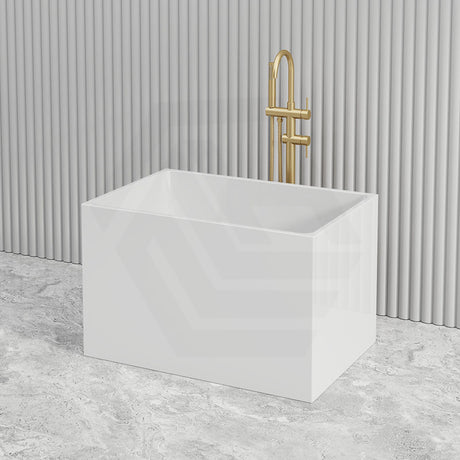
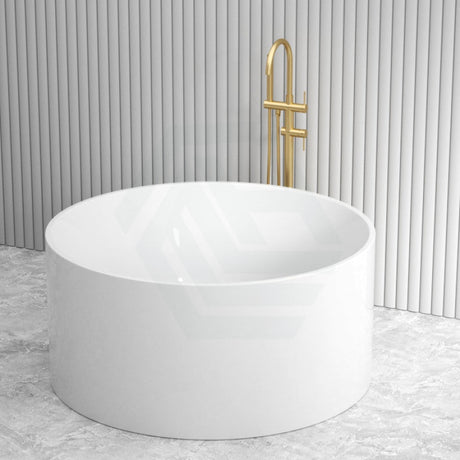
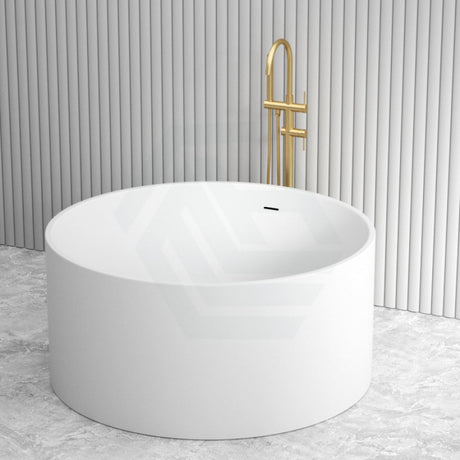
The standard Japanese soaking tub is between 1,000mm and 1,200mm long, which is significantly shorter than a traditional Australian bath. Where they differ most is in the depth, around 600mm to 800mm, compared with the 350mm of a standard Australian bath. This means you are sitting in the water with it up to your shoulders. The advantage is the smaller footprint; because the tub is shorter it takes up less floor space than a 1,700mm bath. A compact Japanese style bathroom can work in a space as small as 2.4 metres by 1.8 metres if it's been well designed. The caveat, though, is the weight. A filled tub holds between 250 and 350 litres, and this concentrated weight requires reinforced floor joists, especially if positioned on top floor or second storey.

Essential Design Elements: Layout, Materials and Finishes
For a Japanese bathroom design, the materials we use have a lot of bearing, as the whole room is a wet room. You must waterproof the entire room, floor, walls, and ceiling. The Australian standard waterproofing to AS 3740 is used, but there is a level of exposure we don't get in Australian bathroom design. For the Japanese baths, we offer four options: hinoki at $5,000 to $12,000, stone composite at $3,000 to $8,000, acrylic at $1,500 to $4,000, and cast iron enameled at $2,500 to $6,000. Hinoki, which is made from Japanese cypress wood, is the real deal in Japan, but requires maintenance, regular oiling and must be thoroughly dried after each use. This is something we recommend to clients who are committed to the upkeep. I'd recommend either acrylic or stone composite for Japanese baths. For the flooring in a Japanese bathroom, we recommend a floor that can take moisture and wear. Porcelain tiles with a textured surface rated P3 or higher are a practical choice and porcelain tiles that look like timber can give the warm look that's wanted without the headaches of using real timber in a wet area.

Why Japanese-Style Bathing Works in Modern Australian Bathrooms
Australian bathrooms are being designed more and more as wellness spaces, and the Japanese soaking tub fits really well into this trend. The hot bath benefits have been well documented, including better circulation, reduced muscle tension, and improved quality of sleep, all of which a deeper soaking tub provides more effectively than a shallow bath. There's also a tangible effect on the bottom line, a well-designed Japanese soaking tub can differentiate a property on the market. I've been specifying them in display homes and have seen good responses to this from buyers. The price for this can vary from a minimum of $8,000 for an acrylic bath to more than $25,000 if a custom-made stone or hinoki bath is used, combined with heated water recirculation.

Practical Installation Tips and Plumbing Considerations
There are a few practical aspects that must be kept in mind when installing these baths. One of the initial considerations is the hot water delivery, a deep bath will require a volume between 250 and 350 litres of hot water, and it will take too long to fill a bath if a standard hot water delivery system is used. For this reason, I usually recommend a separate instantaneous gas water heater, or a heat pump with a 250-litre hot water storage tank.
Another issue that requires attention is the waste drainage. Japanese soaking tubs are lower to the ground than standard baths, so when it comes to positioning the floor waste it is important to consider that this will be at a higher level than for a standard bath. A 65mm to 80mm floor waste with a larger flow capacity is required in comparison to a standard floor waste.
For upper-level installations of Japanese bath tubs, you have to get a structural assessment done before anything else. A filled deep tub is heavier than a standard residential floor, and $1,500 to $3,000 can be budgeted for the structural reinforcement work alone.
For anyone starting out, looking at soaking tubs from reputable Australian suppliers can provide a good picture of the sizing, materials and pricing, before engaging a designer.