12 May, 2026
When to Start Potty Training: Signs Your Child Is Ready
Wondering when to start potty training? Learn the key readiness signs for Australian children and why age isn't the most important factor.

Video Credit: Doctor Yoshi
What Age Do Most Children Start Potty Training?
Australian children start potty training anywhere between 18 months and three years old. However, the actual ages can vary significantly. As someone specialising in bathroom renovations, I'm often asked when the right time is for parents to start potty training. If you're renovating a bathroom for the whole family, are you getting a junior toilet now, or will you wait until later? The simple answer to the age question is that the age of the child isn't the most important factor. Generally speaking, a child who is 18 months and showing none of the cues for readiness will take longer to toilet train than a two and a half-year-old who has already demonstrated all of those same cues.
Often potty training starts too early in a child's life, which can make it take even longer. The Raising Children Network is Australia's peak, government-funded parenting resource. They suggest that the average age range for toilet training is between two to three years, with many perfectly normal, developmentally healthy children not being ready until just before they are three and a half.
Knowing those ages is useful. However, the child's age is probably not the most important factor for determining when a child is truly ready to toilet train. It's much more important to understand the specific signs of when to start potty training — the readiness cues are far more reliable guides than a birthday milestone ever could be.

Key Signs Your Child Is Ready to Start Potty Training
Some specific things to look out for before you decide to begin potty training your child include:
Your child is staying dry for at least two hours at a time. This means they have physical readiness in terms of their bladder reaching sufficient maturity to maintain control when they aren't on the toilet.
They're either letting you know, or at least aware of, their own wet or dirty nappy. Ideally, they'll signal just before they do it, but that awareness of their body is what will ultimately help them learn the skills they need. If your child stops and squats or moves to a corner and soils, then you have a child who has the body awareness that will help them be ready to toilet train.
In terms of cognitive readiness, your child needs to be able to follow two-step instructions like "go to the toilet and sit down." Also, does your child show interest in what older siblings or parents are doing in the bathroom? These cues are far more important in determining when to start potty training than a birthday ever will be.
Once you have established that your child is ready, there are some considerations to keep in mind, particularly around how potty training is set up for boys versus girls.

Differences in Toilet Training Boys vs Girls
Generally speaking, toilet training boys typically takes slightly longer on average. However, there is one thing that often gets overlooked. Boys should start learning to sit for both urination and bowel movements before learning to stand. Trying to teach both at once can be confusing and slow down the overall process. Once seated control is well established — generally after several consistent weeks — transitioning to standing for urination is straightforward.
There is no standing phase for girls, which makes sequencing simpler, although setbacks affect both sexes equally and are a totally normal part of the process during any period of change, such as a new sibling, starting childcare, or general disruption to routine. This does not mean you are failing. No matter what method you go with, the environment at home will impact the speed at which your child trains, and it is worth setting the bathroom up thoughtfully before you begin.

How to Set Up a Practical Potty Training Environment at Home
A child who can reach the toilet independently, manage the flush, and wash their hands without calling for help builds confidence far faster than one who depends on adult assistance at every step. A non-slip step stool placed consistently in front of the toilet allows a child to sit on the seat with their feet firmly supported.
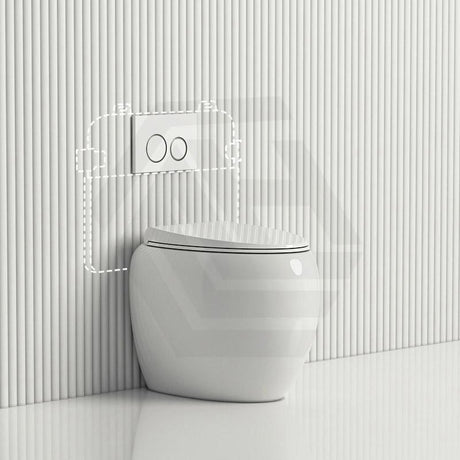
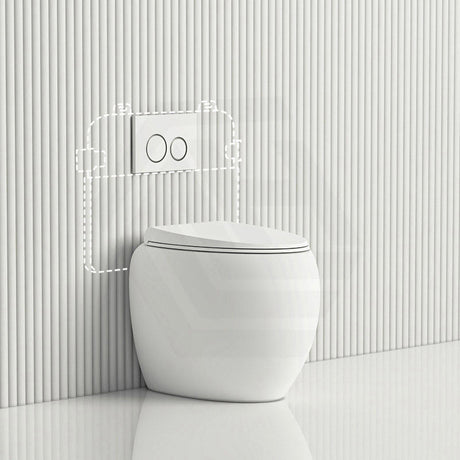
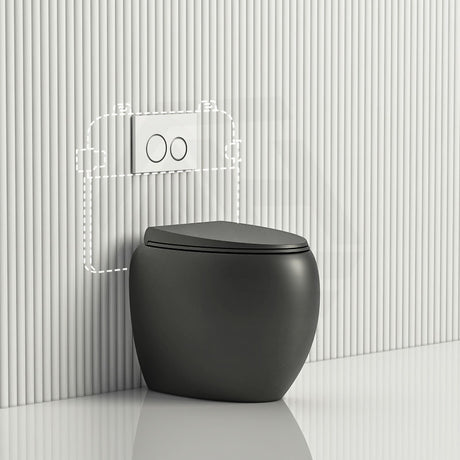
A back to wall toilet bowl can be ideal for a family bathroom — the bowl sits flush with the wall with no exposed pipework to collect dust or dirt. A junior suite pan sits at 385mm from floor to seat, compared to an adult standard height of 400–430mm, allowing a child's feet to be supported comfortably and encouraging greater independence. The junior suite should be installed by a licensed plumber, who will connect the unit to the waste pipe.
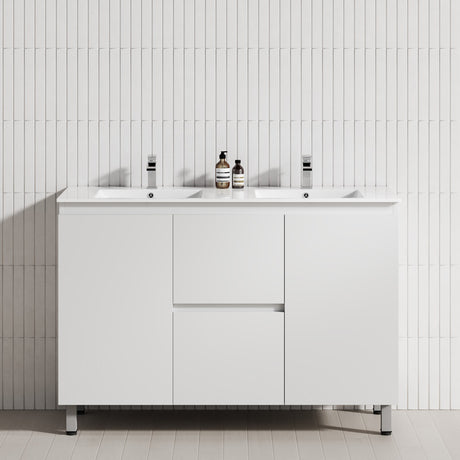
A white bathroom vanity with a basin at a manageable height, used alongside a step stool, allows the child to wash their hands independently. A white vanity with drawers or a cabinet provides storage for a spare pair of pants, cleaning wipes, and any reward charts, keeping the bathroom tidy and uncluttered.

How Long Does Toilet Training Take?
How long does toilet training take when a child starts from a genuine place of readiness? Typically three to six months to achieve consistent daytime dryness. Night-time dryness is a separate development driven by hormonal changes, which can take a further six to twelve months or more. Bed-wetting during this period is entirely normal.
Expect frequent accidents over the first two weeks, with gradual improvement through weeks three and four. Most children who started from a solid place of readiness should be achieving consistent dryness for most of the day by months two and three. Some regression at any stage is to be expected — remain calm and move on.
Timing matters. If a disruption is due within two to four weeks — a new sibling, a house move, or starting childcare — the new habit will not be sufficiently established before the change. It is best to wait until a calm, consistent period is ahead of you.