

06 May, 2026
Luxury Bathroom Ideas: Master Ensuite Designs with a Freestanding Bath
Luxury bathroom ideas for master ensuites: freestanding bath as centrepiece, wet-dry zoning and premium finishes. Create a spacious, spa-like retreat in your Australian home.

What Makes a Master Ensuite Feel Luxurious: Key Design Principles
The one element I found in all luxury bathroom ideas that was a common thread was the concept of space. Not necessarily the size of the room, but a room that allows all its features to coexist comfortably, for example, a wet area distinct from the vanity area, a freestanding bath as the centrepiece rather than squashed in a corner, and a walk-in shower where you don't have to do a side shuffle to reach your mixer.
The other constant was quality of fittings. Matte black is currently the dominant finish choice and is closely followed by brushed nickel and brushed gold. The finish alone can transform your bathroom into one that feels luxurious before you've even laid a single tile. Meir is a great choice if you are looking for a beautiful range of warm metallic finishes, and Fienza caters to a broader range should you want to select from many price points. Try to ensure there is only one metallic tone for all fittings within the room.

Ensuite Layout Planning: Dimensions, Zones, and Flow
Once you have the main design principles sorted, the next challenge is creating a functional floor plan, because there is nothing like a great room plan that is ruined by incorrect bathroom dimensions and no amount of premium fitting will save that room.
For a master ensuite that comfortably allows for a freestanding bath, a double vanity, and a walk-in shower, a 3000mm × 2400mm room size is the absolute bare minimum. However, to feel like a luxury space, it's best to allow a minimum of 3500mm × 2800mm.
Space is also an issue in a bathroom and it is often underestimated. You'll want to allow a minimum of 600mm (NCC 2022, ABCB Housing Provisions, Part 12.2) beside a toilet, and a clear zone of 900mm × 1200mm in front of it — consistent with the livable housing design guidance under the NCC — and allow 700–900mm of clear floor in front of both your shower and vanity area, which is a minimum. Anything less and regardless of how beautiful your tiles are, you simply won't have enough room to move around.
The ensuite layout decision that often catches people off guard is the positioning of the plumbing rough-in. Knowing where your bath, vanity, and shower waste is, is going to be what determines where your plumber needs to run the pipe. The mistake is having those positions adjusted after your tiling has already commenced, but you can avoid the issue entirely by confirming your ensuite layout before you purchase a single tile.

Bathroom Vanity Height, Storage, and Fixture Specifications
Once you have your bathroom dimensions and the position of zones, the next step is to consider each of the items in those zones, starting with the vanity in the dry zone, which is the most crucial part of the ensuite.
Standard bathroom vanity height sits at 860mm to the benchtop, which suits most adults comfortably. If the primary users of the ensuite are taller, a comfort height of 900mm is worth specifying — it makes a genuine difference over years of daily use. Aulic produces some beautifully constructed plywood vanities at the premium end, and CETO covers the higher specification range if you want a more tailored look. Both are worth exploring for a master ensuite fitout.
For a double vanity, widths of 1500mm or 1800mm (NCC 2022, ABCB Housing Provisions, Part 10.2) are the practical options. Standard depth is 450mm, which suits most above-counter basins from the Infinity range. Always remember that vanities don't generally come with a basin, mixer, or waste — factor that into your budget. PVC cabinetry is the most resistant to moisture and most appropriate for a bathroom environment. MDF can be used if you want more colour options as it can be painted. Plywood will be the most expensive but the strongest, which matters where there will be plenty of moisture about.

Choosing and Positioning Your Freestanding Bath
So having selected your vanity and decided on clearances, you need to next make a choice on the selection and location of the freestanding bath. This will likely be the centrepiece for your luxury bathroom ideas.
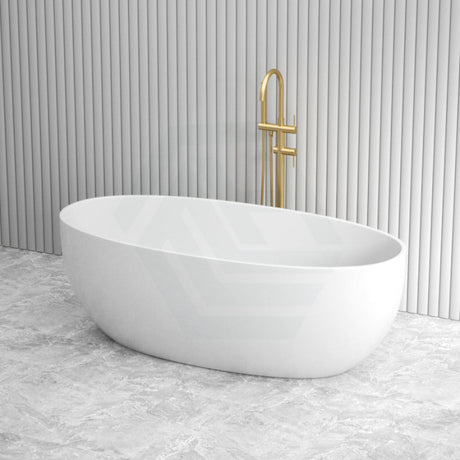
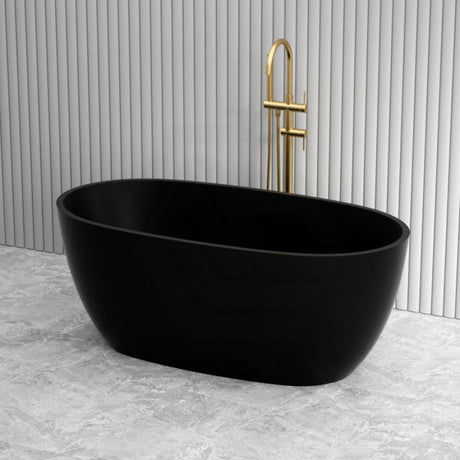
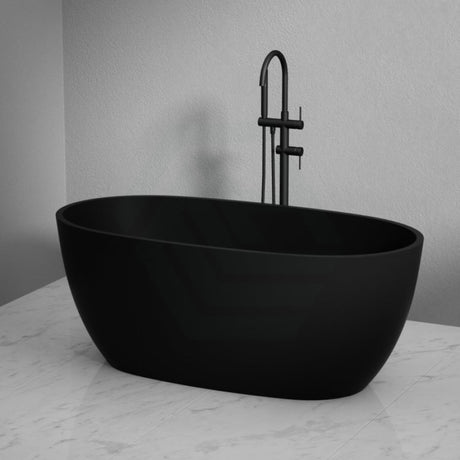
The most practical freestanding bath length for Australian master ensuites is 1700mm. The 1700 bath freestanding collection is worth investigating for style, and the free standing bath range a good starting point to get an overview of sizes and profiles. You can easily get a sense of the style of bathroom by looking at these collections.
The other big decision is the material of the bath. This will affect the weight of the bath as well as heat retention and price. Acrylic with a fibreglass backing is the most popular choice, less heavy, easiest to install and will start at $878. Stone resin is another option which will hold heat for longer, feel heavier and cost you more. Cast iron is the original premium option with great heat retention, heavy and most expensive. Note that stone resin and cast iron baths can exceed 200kg when filled — if your floor is suspended timber, have a structural assessment done before committing.
For location, allow at least 200mm of clear area on all sides of the freestanding bath, position the floor waste at or directly beside the bath, and confirm the freestanding tap rough-in height with your plumber in advance of tiling work. Connecting a freestanding bath to water supply, waste, and overflow must be done by a licensed plumber; do not attempt it yourself. Any electric spa jet pump components must be completed by a licensed electrician. If you are browsing bathtubs sydney australia, comparing profiles and finishes alongside your tile selections early will help you work through scale combinations before committing.

Materials, Finishes, and Bringing the Design Together
With the bath selected and the rough-in confirmed, you need to now think of materials and finishes to bring all of the components, the fixtures and zones together, into a unified and long-lasting result.
Large format porcelain tiles, specifically 600×1200mm, are the preferred choice for luxury ensuite walls and floors. They are more dramatic and contemporary in feel, with fewer grout joints, and there are looks that are convincing for stone and marble. Budget $80–$150 per square metre for porcelain large format tiles. For bathroom floor tiles, safety cannot be compromised: per AS 4586, a slip resistance rating of P4 or P5 is required for wet area floors in the shower and bath zones.
Waterproofing is perhaps the least glamorous component in this luxury bathroom ideas project, but it is also the most important, forming the very critical first layer. Shower walls must be waterproofed to at least 1800mm above the floor substrate. The walls adjacent to the bath must be waterproofed to at least 150mm above the bath rim. All work must be carried out to the specifications of AS 3740:2021 and a licensed waterproofer must be engaged. Allow a minimum of 24 to 48 hours between application of each coat. LED mirrors and heated towel rails require a licensed electrician to install.
For a mid-to-high-end master ensuite fitout, budget expectations for the main items are: freestanding bath $1,500–$4,000; double vanity $1,200–$2,800; tapware and mixers $600–$1,500; porcelain wall and floor tiles $80–$150 per square metre; frameless 10mm glass shower screen $800–$2,500; LED mirror $300–$700. A well-specified master ensuite is one renovation that can deliver strong returns in the Australian real estate market. A full gut-and-rebuild project of this type can take eight to twelve weeks from start to finish, including demolition and completion.
References
National Construction Code 2022, ABCB Housing Provisions, Part 12.2 Livable Housing