06 May, 2026
Bathroom Splashback Ideas: Japandi Style with Soaking Tubs
Bathroom splashback ideas in Japandi style: stone-look porcelain, calm neutrals and soaking tubs. Create a serene, minimalist retreat with timeless natural materials for Australian homes.

What Makes a Japandi Bathroom Splashback Work
Japandi is a great look to bring a Japanese sense of calm, with Scandinavian styling and functionality in a modern bathroom. Picture cool-toned, stone-look porcelain wall cladding, with a deep soaking bath or spa. That's Japandi in a sentence.
When designing bathroom splashback ideas in a Japandi scheme, keep it understated. Stick to warm whites, stone greys, sage greens and charcoal greys. Avoid feature colours and complex patterns and use grout as close as possible to the tile, or even a grout that makes your joints look non-existent.
While it adds some wow factor, your bathroom splashback has other vital tasks. As well as providing the backdrop for the bathroom, it is a waterproof layer over the wall that protects the backing substrate and keeps it easy to clean. Walls in wet areas must be waterproofed to a specific height according to NCC 2022 and AS 3740:2021. This comes before your splashback, so compliance is a key step in getting a splashback in place.

Best Splashback Materials for a Japandi Aesthetic
So which tiles and tile materials work best for the Japandi look? Large-format tiles — 600×1200 mm — are most popular at the moment. Stone-look, concrete-look and natural stone finishes are available from DW Tile, and all fit the Japandi aesthetic. Large-format porcelain is highly water-resistant because it is non-porous and does not require sealing, while natural stone does. Stone-look and concrete-look porcelain are available at a cost of around $40–$120 per m². These can't be installed DIY, because installation requires a very flat substrate and is a labour-intensive job.
For a more tactile wall finish, honed stone such as limestone will bring a warm natural touch to the bathroom. The stone finish is more labour-intensive and requires more care to maintain, but the result can be spectacular.
Other materials used in Japandi bathrooms include terrazzo and cement-look panels, which add a soft speckled texture. A fibre-cement finish is a good, less expensive alternative, although the colour range is narrower. Wherever you're tiling, ensure floor tiles meet a minimum P4 slip-resistance rating under AS 4586, and silicone movement joints are installed in the wet area where wall meets floor and walls meet each other. These joints are designed to allow for movement in the structure.

Pairing Splashbacks with Soaking Tub Layouts
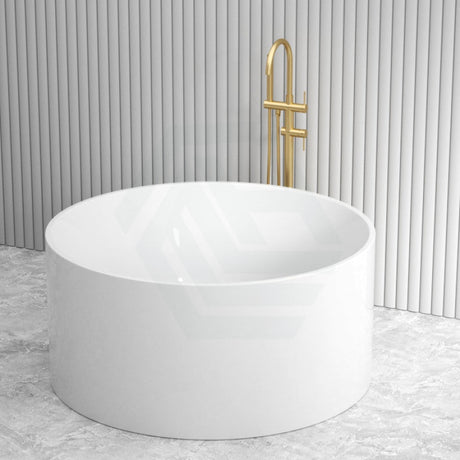
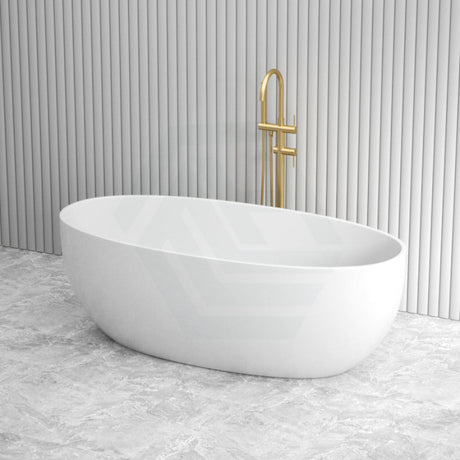
Splashback material is only half the story. Where your splashback will run in relation to the soaking tub also has to be factored in to get the finish you want, and a result that won't fall short over time. A freestanding soaking tub must have waterproofing to a minimum of 150 mm above the finished rim level in accordance with AS 3740:2021. For a seamless, expansive feel, Japandi bathrooms often use floor-to-ceiling tiles, creating an integrated feature wall and a sense of height throughout the bathroom. For a built-in or back-to-wall bathtub, a full-height run of 600×1200 mm stone-look porcelain makes an ideal feature wall in that zone. To protect the adjacent wall from splash, allow a minimum 150 mm splashback extension beyond each edge of the tub.
Japanese soak baths tend to be deeper than a standard Australian bathtub. This affects the starting point of your tile work, as the rim will sit higher than on a standard tub. Confirm the finished rim height with your plumber before your tiler sets out the wall. Broadway freestanding soaking tubs start from $878 and require at least 1.8 m of clear floor space — measure before you buy.

Japandi Bathroom Fixtures: Toilets, Bidets and Ventilation
Now you have your splashbacks and bathtub locations decided, it is time to consider your other bathroom fixtures, making sure each element serves its function.
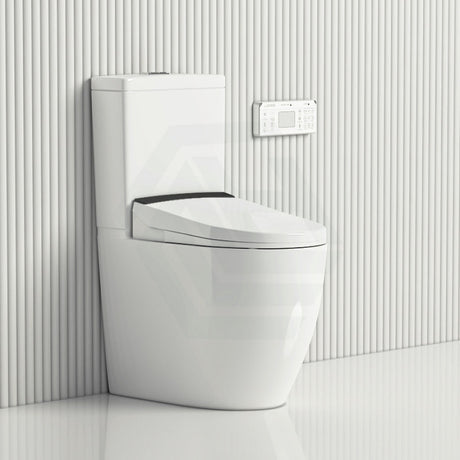
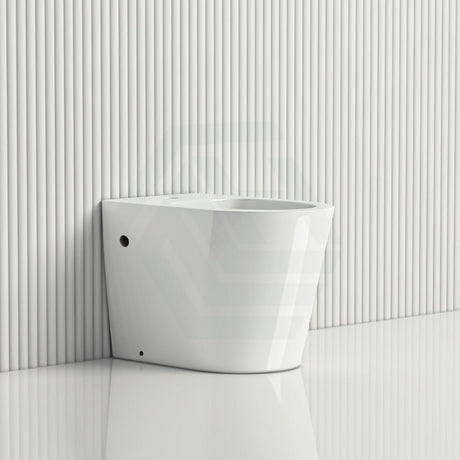
Japanese toilets with integrated bidet seats are especially compatible with the Japandi style. Wall-hung installation reduces visual clutter on the floor, which suits the aesthetic, while heated seats and cleaning jets align with the Japandi philosophy of comfort. Japanese toilets start at $1,619 and must be WaterMark certified for installation. If you are on a smaller budget, a toilet bowl and bidet seat cover starts from $80.
Bathroom ventilation is often the most overlooked aspect of bathroom design. NCC 2022 requires any bathroom without windows to have a minimum mechanical extraction rate of 25 L/s. Humidity is an enemy of tile splashbacks and a primary cause of tiles failing over time, particularly where grout lines are compromised — so a suitable exhaust fan is essential and must be installed to (AS/NZS 3000:2018) by a licensed electrician.

Budgeting and Installation Considerations for Your Bathroom Remodel
So, how much does a Japandi bathroom cost to renovate in Australia? According to the HIA (Housing Industry Association), a typical small ensuite renovation ranges between $10,000 and $25,000, with costs in Sydney and Melbourne at the higher end. Here is some practical insight into a small Japandi bathroom budget:
- Large-format porcelain tiles (supply and install) are $80–$150 per m² for splashbacks
- Waterproofing membrane (add on) is $30–$60 per m²
- Broadway freestanding soaking tubs are $878–$7,182 depending on size and finish
- Smart toilet suites are $1,619–$6,205
The most critical aspect when planning your bathroom remodel ideas is to use a licensed waterproofer and experienced tiler to avoid common errors such as not waterproofing behind your bathroom splashback ideas, incorrect adhesives for large-format tiles, and leaving no expansion gaps for movement. With bathroom trends 2025 all about quality and longevity over temporary trends, investing in quality porcelain, waterproofing and certified fixtures is a decision that will pay dividends over time. Follow these steps and a Japandi bathroom will be one you and your family enjoy for many years to come.
References
National Construction Code 2022, ABCB Housing Provisions, Part 10.2 Wet Areas
AS 3740:2021 Waterproofing of Domestic Wet Areas, Standards Australia
National Construction Code 2022, ABCB Housing Provisions, Part 10.8 Condensation Management
AS/NZS 3000:2018 Electrical Installations (Wiring Rules), Standards Australia
HIA (Housing Industry Association) — Bathroom Renovation Cost Guide 2025