

13 April, 2026
How to Use a Bidet: A Beginner's Guide
What is a bidet? Beginner’s guide to bidet types, how to use them, and why Australians are switching from toilet paper. Includes benefits, hygiene tips and installation advice.

So, what exactly is a bidet?
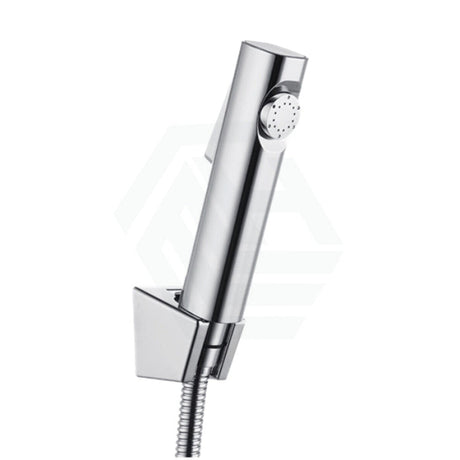
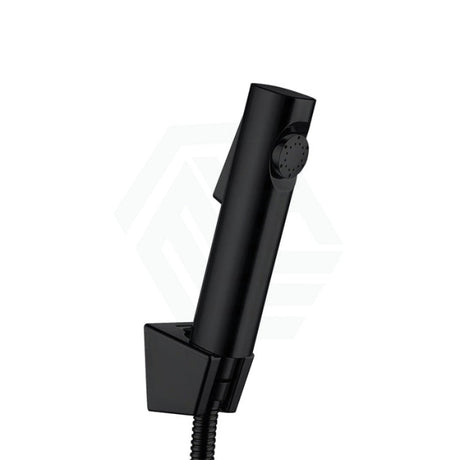
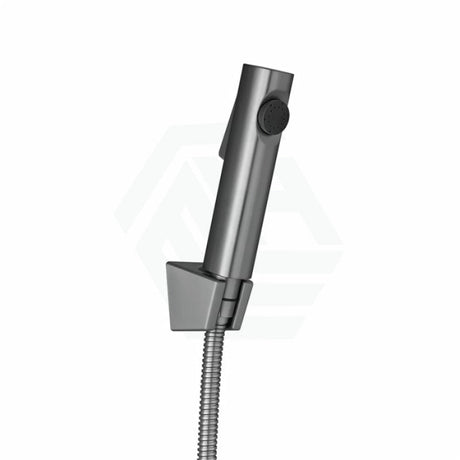
In short, what is a bidet? It's a bathroom fixture that cleans you with water after you use the toilet. Kind of like a mini shower for your lower body, if that makes sense. The classic standalone version looks like a small basin sitting next to the toilet, but these days there are a whole bunch of different types. You've got bidet toilet seats that replace your existing seat, handheld bidet sprayers (sometimes called shattafs) that clip to the wall near the toilet, and then there are fully integrated bidet toilets where the spray function is built right in. Regardless of which one you pick, the core idea stays the same: water does the work, not paper.

How does a bidet actually work?
So how does a bidet work, exactly? Well, it depends on which type you've got at home. A standalone bidet (the traditional European sort) has its own tap. You just sit on it, facing the taps or facing away, whatever feels right, and fiddle with the temperature and pressure until it's comfortable. A bidet toilet seat works differently though. There's a retractable nozzle hidden in the seat, and when you press a button or turn a dial, it pops out and sprays a stream of water. Some of these even come with heated seats, warm water and air dryers, which honestly sounds like having a spa in your own bathroom!
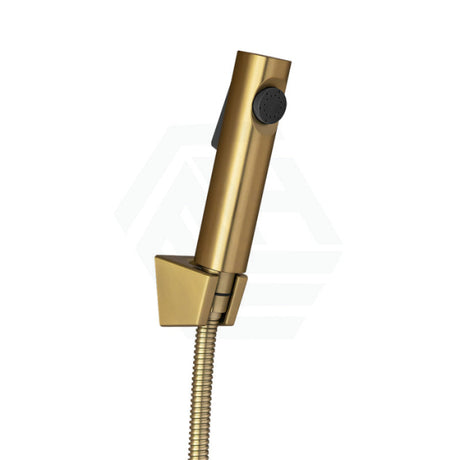
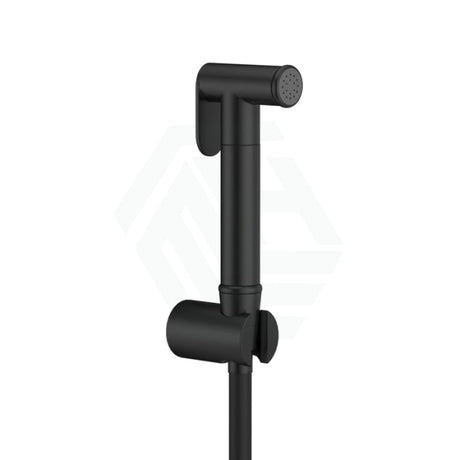
Handheld bidet sprayers are probably the simplest option. They work a bit like a kitchen sink sprayer: you hold it in your hand, aim, and squeeze the trigger to control the pressure. Most people can install one themselves in half an hour, no plumber needed.

Your step-by-step guide to using one
If you've never used one before, here's how to use a bidet without feeling awkward about it. Use the toilet as you normally would. Stay seated if you've got a bidet seat or integrated unit. If yours is the standalone type, shift yourself over from the toilet to the bidet. Get into a position where the water can reach you. Now here's the important part, especially that first time: start with the pressure turned way down and slowly bring it up until it feels right.
Let the water run for twenty to thirty seconds or so. You'll know when you feel clean. Pat dry with a small amount of toilet paper or even a dedicated bidet towel if you prefer. That's it. Seriously. The whole thing adds maybe a minute to your bathroom routine, and the difference in how clean you feel is noticeable straight away. After a week or two, using a bidet just becomes part of the routine, no different to washing your hands after eating.

Which type of bidet suits your bathroom?
Now the question is, which one do you actually go for? If you're renovating and the bathroom is big enough, a bidet toilet bidet sitting beside your existing toilet gives you that classic European setup. They need their own plumbing connection though, plus a bit of extra floor space, so they really only suit larger bathrooms.
For smaller spaces (and let's be real, this is where most Australian bathrooms fall) a bidet seat or handheld sprayer makes much more sense. Bidet seats fit straight onto your existing toilet so you don't sacrifice any space at all. Handheld sprayers mount to the wall and tuck away when you're not using them. And if you want the absolute cleanest look with zero visual clutter, an integrated bidet toilet puts everything into one sleek unit. These do cost more, anywhere from $1,500 to $4,000, but the finished result is a properly modern bathroom.

Bidet vs toilet paper — why Australians are making the switch
The debate between bidets and toilet paper has been picking up steam lately, and when you look at the numbers it's easy to see why. A family of four goes through roughly 100 rolls a year, costing somewhere between $150 and $200 depending on what brand you buy. A basic bidet attachment runs you $50 to $150, and it pays for itself within that first year.
Then there's the hygiene side of things. Dermatologists have pointed out that water is much gentler on sensitive skin than paper, and it reduces irritation. If you're curious about what bidets Australia retailers stock, there are options at pretty much every price point now. For anyone considering a proper upgrade, a bidet toilet with the wash function built in is becoming one of the most popular choices in modern Australian bathroom renovations. And the environmental argument is worth considering too: less paper means fewer trees cut down and less water used in manufacturing.