10 June, 2026
How Long Does It Take to Remodel a Bathroom: a Step-by-step Aussi
Wondering how long does it take to remodel a bathroom in Australia? Our step-by-step guide covers every stage, trade, and timeline.

Video Credit: NikandLivDIY
The most common inquiry I field from prospective bathroom remodellers is usually, "How long does it take to remodel a bathroom, really?" Not the time frame the builder told you on the phone when you were merely discussing the project. I mean the entire time frame; that includes all the curing time, the downtime in-between the trades, the one particular tile you ordered from Italy and is now backordered — that sort of thing.
So, what's the answer? Well, it depends. There are quite a few elements to consider. There might be some you haven't even thought about. If you can better grasp all these elements before you start, you'll be starting on the right track and won't get stuck in those infamous seven-week-long bathroom renovations with a shower bucket on the bathroom floor.
What Affects How Long a Bathroom Remodel Takes
To begin with, bathroom size. A compact ensuite — say, 4–5 square metres — moves faster than a full family bathroom at 8–10 square metres simply because there's less of everything: less demolition, less waterproofing membrane, less tiling. However, size is only a part of this renovation time equation.
Just as important is how many changes you are looking to make to the bathroom. Is it an overhaul where everything stays where it has been before, or is it a total teardown — new look, new everything — where you might be moving the toilet to another wall or knocking out a wall for a new layout? Moving a drain means rough-in time for those new positions, then waiting for the various council building and trades inspections to be passed, and potentially building consent applications. All these things can add anywhere from days to, at worst, weeks to your bathroom renovation timetable.
Additionally, there is the time needed for the waterproofing membrane to cure. Ventilation is another non-negotiable compliance item — your bathroom exhaust fan must meet the minimum airflow requirements set out under NCC 2025 Housing Provisions Part 10.8. (NCC 2025, ABCB Housing Provisions, Part 10.8) depending on product and ambient conditions. Getting this right from the start means your certifier won't be sending you back to the drawing board mid-renovation. If you can't book your waterproofer until Thursday, the tiler might be unable to be scheduled until the following weekend. This is another reason why a two-week renovation can quickly turn into a much longer ordeal.

Typical Bathroom Renovation Timelines by Scope
With this knowledge, it's important you set your scope against your timeline. A simple cosmetic bathroom renovation — replacing fixtures, hardware, and paint, keeping the same layout — takes three to five working days, but only if all components are in stock. Budget around $3,000 to $8,000 for product and labour at this level.
A mid-range remodel covering retiling, a new vanity, toilet suite, and shower will typically run two to three weeks in working days. Factor in $10,000 to $20,000 depending on finishes and your city — Sydney and Darwin projects tend to start around $11,500 in total project cost, while Adelaide and Hobart can come in from $9,000.
A full structural renovation — layout change, plumbing and electrical relocation, new waterproofing membrane, the works — is realistically four to six weeks of working days. At this scope, $25,000 to $35,000-plus is not unusual. Trade scheduling gaps between those working days can easily stretch calendar time to eight or ten weeks, which is the number worth building your life around before starting your renovation.

The Step-by-Step Bathroom Remodel Process
All of these overall timelines depend on various specific sequential steps, each taking its own time and waiting for the next to begin. Stepping through them in order shows exactly where the days go.
Strip-out (one to two days): Your licensed trades remove fixtures, strip tiles, and clear the space. A skip bin goes out front. It is loud and dusty, but strangely satisfying to watch.
Rough-in plumbing and electrical (two to four days): Your plumber repositions drains and supply lines; your electrician relocates power points, exhaust fans — which must deliver a minimum 25 L/s airflow under NCC 2025 Part 10.8 — and lighting circuits. All of this must be performed by licensed trades only. No state or territory permits homeowners to carry out this work regardless of their knowledge level.
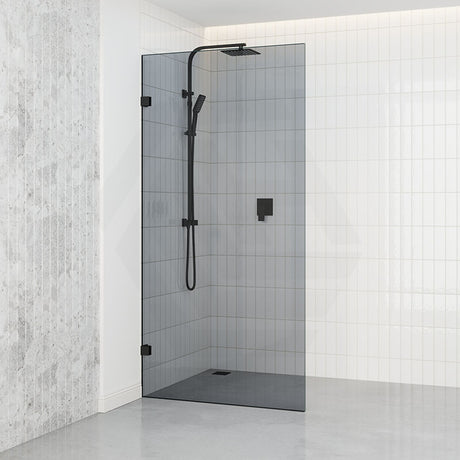
Waterproofing (day of application plus 24 to 72 hours cure time): Your waterproofer will apply the membrane to the floor and shower walls — up to a minimum height of 1,800 mm (NCC 2025, ABCB Housing Provisions, Part 10.2) above finished floor level. The membrane will be inspected before any tiling occurs.
Tiling (two to four days): Duration depends on bathroom size, tile size, and layout complexity. Allow 24 hours for tile adhesive to cure and 24 hours for grout to cure before sealing.
Fixture and cabinet installation (one to two days): Your plumber and electrician fix out the vanity, toilet suite, bath, shower screen, mirror, and cabinets. Homeowners can handle mounting accessories such as towel rails; your plumber will certify the job once all licensed work is completed.

Fixture Procurement and Lead Times
The timing of your fixture procurement can significantly impact your project's completion. Stocked goods can typically be delivered within two to five days, but some items carry longer lead times — and one missing fixture can hold everything back.
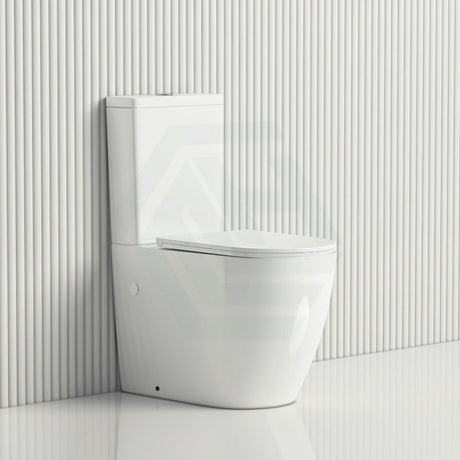
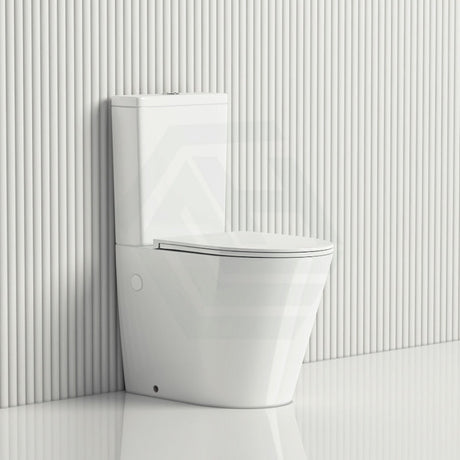
For example, a back to wall toilet can be delivered before demolition begins if your plumber confirms in advance whether the rough-in is 160 mm or 230 mm from the finished wall to the centre of the pan outlet. Ordering the wrong setout means a reorder or a restocking fee.
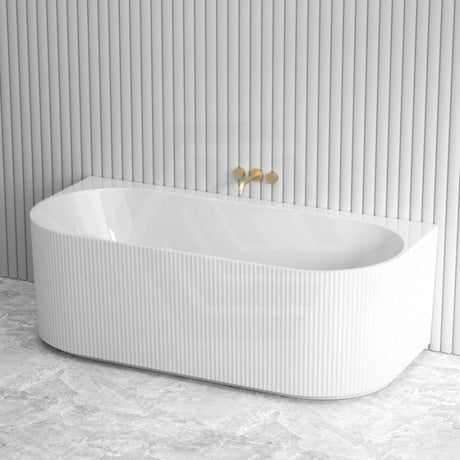
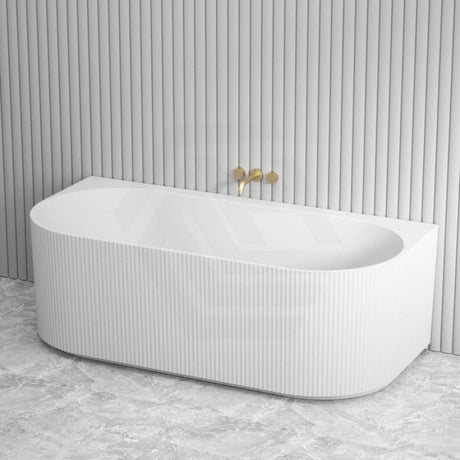
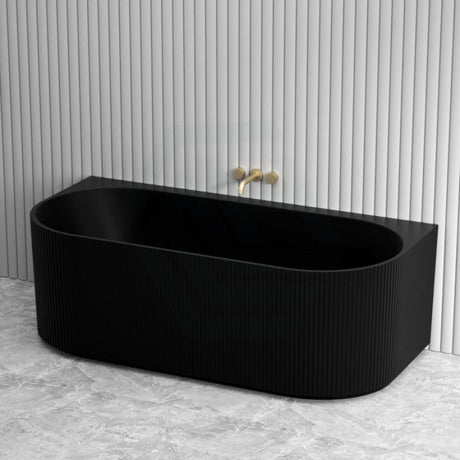
Similarly, an inset bath requires the alcove to be framed to one of three standard length options — 1,500 mm, 1,675 mm, or 1,800 mm — so confirm this with your carpenter before wall framing is completed. Special-order sizes can carry lead times of four to twelve weeks, making this the most likely delay area in any bathroom project.
For a wall hung vanity, advise your builder as early as possible, as structural noggins must be installed in the rough-in framing to support it. Doing this after walls are closed means opening them again — extra time and extra cost.

Common Delay Issues
Delivery delays are the most common problem. Order fixtures before demolition, and make any back-ordered items clear well in advance so you have time to address issues before trades are on site.
Booking trades in the wrong order is another pitfall. Your waterproofer cannot begin until rough-in has been inspected and passed. Your tiler cannot start until waterproofing has fully cured. Book trades early — in capital cities, licensed waterproofers and tilers often need to be booked six to ten weeks in advance — and agree on a start date in writing.
Demolition can also uncover unforeseen issues such as rotting substrate, failed waterproofing, or asbestos in older buildings. Rectification can add days or weeks to the programme, which is why it is wise to set aside 10 to 15 per cent above your original estimate to cover hidden defects. Understanding how long does it take to remodel a bathroom in full — including these contingencies — is what separates a smooth project from a stressful one.
References
National Construction Code 2025, ABCB Housing Provisions, Part 10.8 Condensation management
State and territory plumbing licensing authorities (Building and Plumbing Commission Victoria; Building Commission NSW / NSW Fair Trading; Queensland Building and Construction Commission; Plumbers Licensing Board Western Australia (administered by Building and Energy); Consumer, Building and Occupational Services Tasmania; Access Canberra ACT; Office of the Technical Regulator / Consumer and Business Services South Australia; Plumbers and Drainers Licensing Board Northern Territory)
National Construction Code 2025, ABCB Housing Provisions, Part 10.2 Wet area waterproofing
AS 3740:2021 Waterproofing of Domestic Wet Areas, Standards Australia