

30 April, 2026
Combined Laundry Bathroom: Design Ideas and Layout Tips
Combined laundry bathroom design ideas: smart layouts, stacking washers, hidden cabinetry and ventilation tips. Practical solutions for maximising space in compact Australian homes.

When a combined laundry-bathroom actually makes sense
If you're working with a compact apartment, granny flat or single-storey house where every square metre counts, a combined laundry-bathroom could actually free up an entire room. The laundry bathroom combo is most successful when there is an existing shared wall between the two spaces, meaning you're essentially plugging into existing supply and drainage.
There are compromises to consider: managing humidity when the shower and dryer share air, as well as the noise of the dryer. However, provided you've picked the right layout and ventilation for your combined laundry bathroom, the potential issues can be managed. What the Australians doing it the best are doing, is thinking of it as a wet room bathroom rather than two rooms thrown together.

Layout options: stacking, side-by-side and hidden configurations
There are three popular ways you can go about designing a combined laundry bathroom.
Stacking your appliances is the most space-saving of the lot. This would see you installing a front-loading washing machine with a condenser dryer above it. You only use around 600mm in width, which is roughly the same amount as a vanity takes up. Provided you have 2100mm of ceiling height and the wall framing is solid, you should be fine using anti-vibration brackets.
Placing a front-loading washing machine and dryer next to each other on the floor is the next option. This is possible when your laundry and bathroom share a wall that is 1200mm or more wide. You're then able to install a benchtop on both appliances for folding, which is also great surface space for your toiletries.
The hidden and closed-off approach is where things get interesting. Whether that be installing bi-fold or pocket doors, or using custom joinery to hide everything from view, it all ends up looking fantastic. You would never know that there's a laundry behind the cabinetry when the doors are closed. The price may be higher, but it's so worth it for the look of a seamless combined laundry bathroom.

Plumbing, ventilation and the technical requirements
This is where licensed tradespersons are essential. A combined laundry bathroom is considered a wet area under Australian building regulations, so the waterproofing is non-negotiable. Shower walls must be waterproofed to a minimum of 1800 mm above the floor substrate (NCC 2022, ABCB Housing Provisions, Part 10.2), even if your washing machine is on the other side of the room.
The ventilation is also very important. A windowless wet area requires a minimum exhaust capacity of 25 L/s (NCC 2022, ABCB Housing Provisions, Part 10.8), but honestly, a combined space should go beyond that. I really believe investing in an inline exhaust fan with a humidity sensor is worth every dollar when you're talking about a room that's doing double duty.
Drainage, on the other hand, is simpler than you might think. Laundry appliances drain into a standard 40mm waste pipe, which your plumber can easily connect to your bathroom's existing drains.

Keeping it all looking good (even with a washing machine in the corner)
Consistency is key. Match up the laundry cabinetry to the bathroom cabinetry — same colour, same handles, same benchtop material. When the joinery works as a unified whole, the washing machine just blends in as another appliance behind a door.
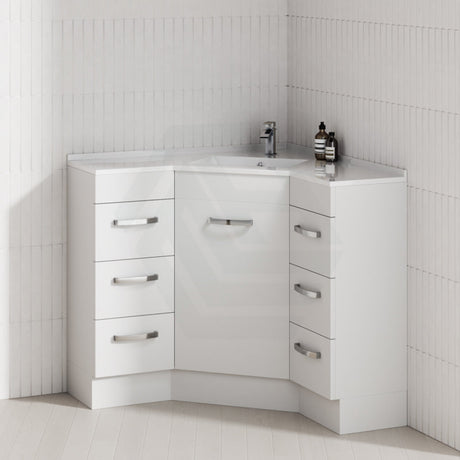
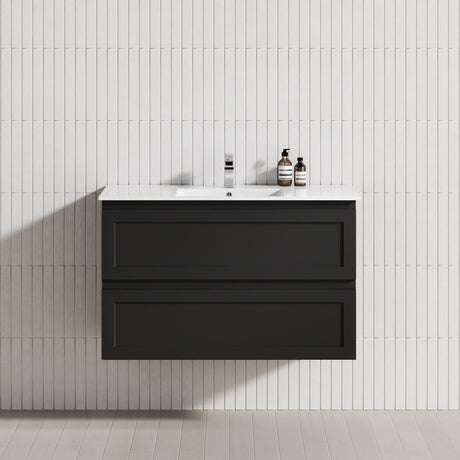
Large-format tiles with grout lines that are almost hidden can make the space feel larger. When one tile extends from ceiling to floor in both zones, the visual connection is established. To create open floor space below, install a wall hung vanity between 600mm and 750mm. PVC vanities are genuinely waterproof — smart when splashes from shower and laundry are daily. Consider inexpensive vanities if you are on a tight budget. These same principles apply if you are thinking of outdoor bathroom ideas — say, a laundry-bathroom in a pool house — just with additional weatherproofing.

Budget-friendly ideas that make the most of a multi-use space
You don't need an expensive design budget for this room. The best way to save money is by installing overhead cabinetry above the washer and dryer. You can use a tension rod and curtain to conceal appliances without custom joinery. Open shelving with baskets costs almost nothing.
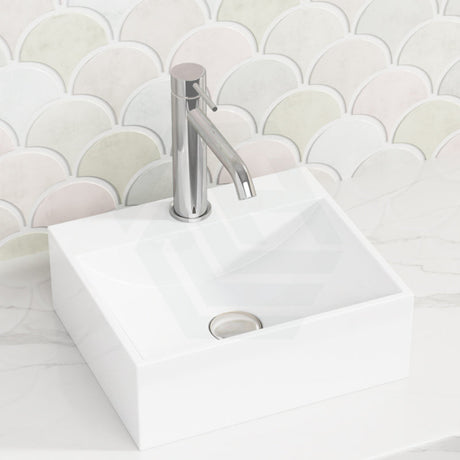
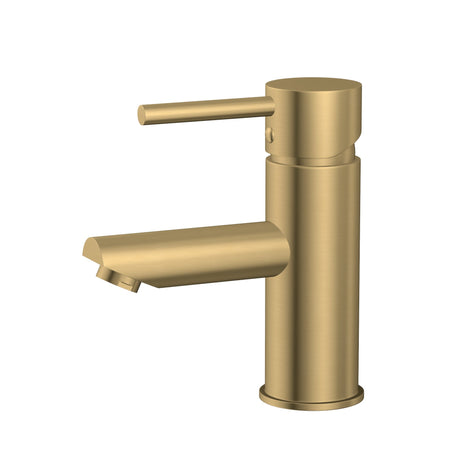
When it comes to your bathroom vanity, a PVC wall hung unit starts at around $300. A ceramic basin and basic mixer can bring your overall setup under $600. A bathroom vanity in 600mm is the ideal size — useful but leaves plenty of room for everything else. PVC is the most practical material when you're looking for a bath vanity in a wet room environment where moisture is constant.
There are lots of simple and affordable additions that help. Install a fold-down ironing board inside a cupboard door, fit a retractable clothesline above the bath, and use a narrow rolling cart to fit the gap between the washing machine and the wall. Simple, clever solutions that save you time and money.
References
National Construction Code 2022, ABCB Housing Provisions, Part 10.2 Wet Areas
National Construction Code 2022, ABCB Housing Provisions, Part 10.8 Condensation Management