30 April, 2026
Disability Bathroom Design: Accessible Layout and Fixture Guide
Accessible bathroom design guide Australia: compliant layouts, curbless showers, grab rails and fixture dimensions per AS 1428.1 and NCC Livable Housing. Essential tips for wheelchair and mobility-friendly bathrooms.

Understanding Disability Bathroom Requirements in Australia
Whether you are designing your own space or doing it for a family member, this resource is for people who want a bathroom that actually functions for their needs, rather than one that just fits the letter of the law. Designing an accessible bathroom is about much more than meeting minimum compliance requirements. It is about designing a space that maximises independence, is safer and easier to use, and avoids potential stress and frustration during daily activities.
As of October 2023, the National Construction Code has added Livable Housing provisions for new Class 1a dwellings, which cover requirements including entry, exit, and shower design (NCC 2022, ABCB Housing Provisions, Part 12.2). In a new home, these provisions mean an adapted layout and the inclusion of at least one accessible bathroom from the start. Retrofitting existing homes is possible too, either under the National Disability Insurance Scheme (NDIS) or through aged care arrangements. Typically, an Occupational Therapist conducts the initial disability bathroom requirements assessment to guide bathroom modifications for elderly family members or a complete disability bathroom renovation and layout to suit a wheelchair user.
This is about applying knowledge that translates into practical, day-to-day usability. Think of the difference between a bathroom where someone can wheel in confidently and one where they need to call for help at the threshold. That difference comes down to measurements, fixture placement, and material choices—all of which we will walk through in this guide.

Roll-In Showers, Curbless Designs and Accessible Shower Solutions
A key component of an accessible bathroom is a roll-in, hobless, step-free shower—sometimes called a curbless shower or wet room design. Instead of a traditional hob or raised edge, the shower floor sits flush with the rest of the bathroom, which means wheelchairs and walkers can roll straight through without any obstruction. The National Construction Code requires at least one shower in new dwellings to have hobless and step-free entry (NCC 2022, ABCB Housing Provisions, Part 12.2), and that is a brilliant starting point for retrofits too.
A good disabled shower design requires careful planning. The minimum dimensions for an accessible shower should be 1160 mm by 1000 mm—enough room for a shower chair or a wheelchair to fit comfortably. Your floor needs a graded fall of approximately 1:60 toward a channel drain (not a centre point drain, which creates an uneven surface under wheels). Waterproofing is critical here because there is no hob to contain water. Shower walls must be waterproofed to a minimum of 1800 mm above the floor substrate (NCC 2022, ABCB Housing Provisions, Part 10.2), and your licensed waterproofer will likely extend that coverage given the open layout.
A fold-down shower seat mounted at 460 mm height is ideal to offer a seated position while keeping the space clear when not in use. Lever-handle mixers or thermostatic shower mixers are the practical choice—no gripping or twisting required, and thermostatic models hold temperature steady, which is essential for anyone with reduced sensation.

Toilet Selection and Placement for Accessibility
For a toilet in a disability bathroom, there must be a 900 mm by 1200 mm clear area in front for approach and transfer (NCC 2022, ABCB Housing Provisions, Part 12.2), and the toilet centre should sit 450 mm from the nearest side wall to allow grab rail installation on both sides.
Now, here is the fun bit—how you choose your toilet and other fixtures can actually affect how you design your bathroom. One of the most recommended types of toilet for an accessible bathroom is a wall-hung pan, sometimes called a floating toilet bowl. Because the pan is fixed directly to the wall with a concealed in-wall cistern, you have the option to install the toilet seat as low as 400 mm from the floor or as high as 480 mm. Having the ability to adjust the seat height is an incredible advantage, especially if the user's needs change over time. The most common seat height for a wheelchair user to access the toilet by lateral transfer sits between 450 mm and 460 mm.
Wall-hung pans from brands like Poseidon and Fienza start from around $303, with in-wall cisterns ranging from $165 to $1,283 depending on the system. Complete in-wall toilet suites—pan, cistern, and push buttons together—run between $543 and $1,284. Your licensed plumber will need to install the in-wall frame during the rough-in stage, so factor that into the renovation timeline early.
A rimless flushing design is worth specifying. It improves hygiene by eliminating the hard-to-clean rim, and most current models carry a WELS 4-star rating with 4.5-litre full flush and 3-litre half flush.

Grab Rails, Seating and Essential Safety Features
Grab rails should not be seen as accessories for an accessible bathroom, but as a key safety feature to the home. Grab rails used in accessible bathrooms must comply with the diameter between 32 mm and 40 mm for grip, and have the ability to withstand a minimum of 1100 N (around 110 kg of weight, in terms of force) in accordance with Australian Standard AS 1428.1 for design for access and mobility. For toilet grab rails, a horizontal rail at 800 mm to 810 mm above the floor on the side wall is standard, with a second angled rail at approximately 30 degrees for assisted standing.
The good news is that the National Construction Code now requires bathroom walls in new homes to be reinforced specifically for future grab rail installation (NCC 2022, ABCB Housing Provisions, Part 12.2). In older homes, your builder will need to add plywood backing or steel noggins behind the plasterboard before mounting rails—this is not a job for hollow wall anchors.
Non-slip flooring is the other non-negotiable. Look for tiles rated P3 or higher under AS 4586, which is the Australian slip resistance standard. Higher-rated tiles (P4 or P5) provide more grip but trap dirt more readily, so P3 strikes the best balance for residential accessible bathrooms. Pair this with adequate lighting—at least 300 lux at floor level—and lever-handle tapware throughout.
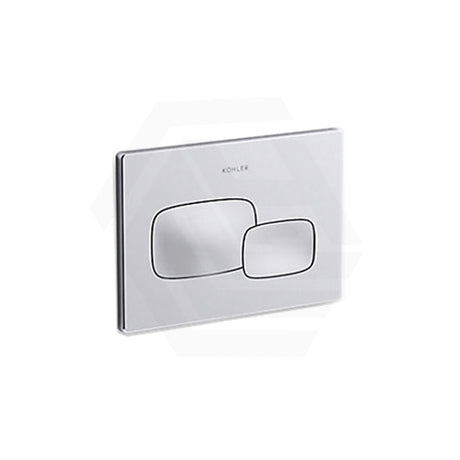
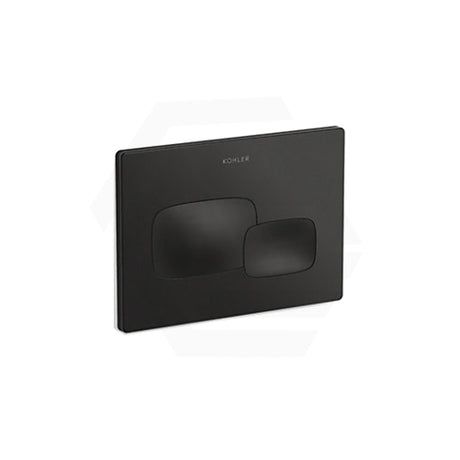
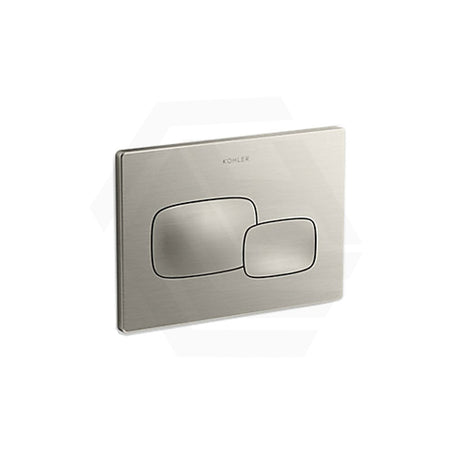
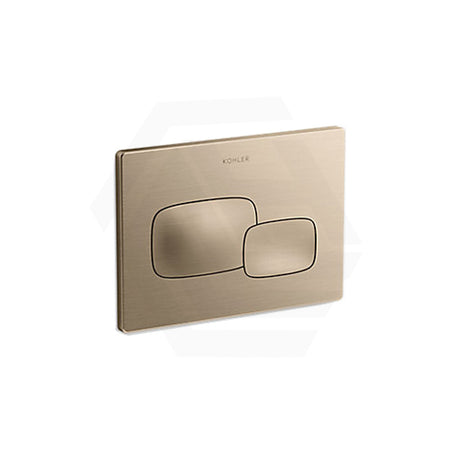
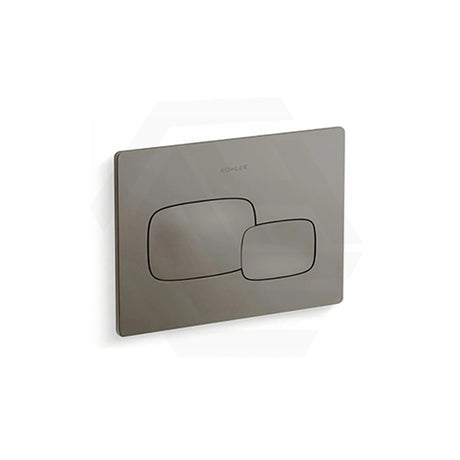
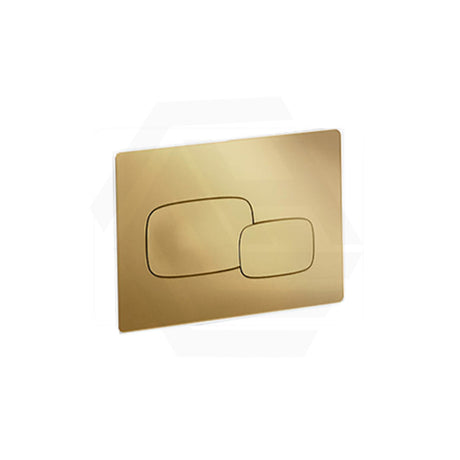
If you are choosing replacement push buttons or new soft-close seats, pick models with large, easy-press surfaces. A floating toilet bowl paired with a wide push button plate makes independent flushing straightforward for users with limited hand strength.

Funding, NDIS Support and Working with Certified Assessors
An accessible bathroom renovation is a significant investment, and understanding the funding pathways can make the project far more achievable. The National Disability Insurance Scheme covers home modifications for eligible participants, including full bathroom conversions. The process starts with an occupational therapist assessment, which identifies specific functional needs and produces a written recommendation for modifications.
NDIS home modification costs for bathrooms typically range from $5,000 for minor adjustments (grab rails, non-slip surfaces, lever taps) up to $30,000 or more for a complete accessible bathroom build with a curbless shower, compliant toilet positioning, and reinforced walls. Your NDIS plan manager or support coordinator can help you understand what falls under your funding category.
For older Australians who are not NDIS participants, the Commonwealth Home Support Programme and Home Care Packages offer alternative funding streams for bathroom modifications for elderly residents. These programs cover similar modification types but operate through aged care assessment teams rather than NDIS planners.
When hiring tradespeople, look for builders experienced in AS 1428.1 compliant work—not every bathroom renovator understands accessible design tolerances. Ask for references from previous accessibility projects, and confirm that your plumber and waterproofer hold current licences. A toilet with wall mounted cistern system needs precise rough-in dimensions, so the installer should be familiar with in-wall frames. Keep spare toilet pieces like flush valve kits and seat hinges on hand for ongoing maintenance.
References
National Construction Code 2022, ABCB Housing Provisions, Part 12.2 Livable Housing
National Construction Code 2022, ABCB Housing Provisions, Part 10.2 Wet Areas