

18 May, 2026
Bathroom Vanity Styles: From Traditional to Contemporary
Discover bathroom vanity styles from classic to modern. Our Australian guide helps you choose the right look for your renovation.

Video Credit: Home Color Trends
When planning a bathroom renovation, deciding on the bathroom vanity styles is the single most important choice you will make. This choice will affect the type of tiles you use, which tapware to pick and the colour tones for your lights. I've been down this road a few times and I can tell you that choosing bathroom vanity styles can be an arduous process. However, I have learned something important. If you understand the different bathroom vanity styles out there, it becomes a little less stressful to make a decision.
Why Does It Matter What Bathroom Vanity Styles Are Selected?
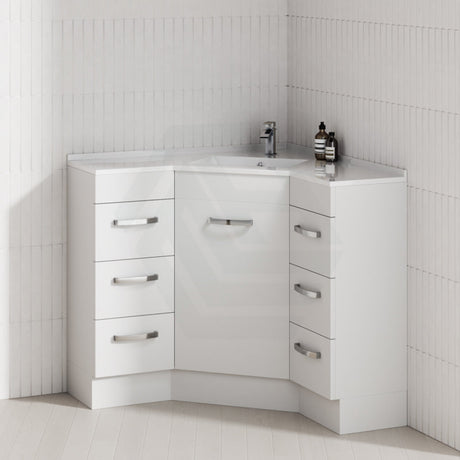
When we talk about vanity, we are actually referring to a whole system of products. Your decisions apply to all of the different components of the bathroom vanity separately. The cabinet or carcass forms the frame and determines the shape and material of construction. The benchtop sits on top of the vanity cabinet and is a separate specification, whether ceramic, stone, engineered stone or poly. The basin itself can sit within the benchtop or sit on top of it. The handles or hardware are also an individual consideration and can be simple, ornate or even minimalist. The mixer tap also completes the style.
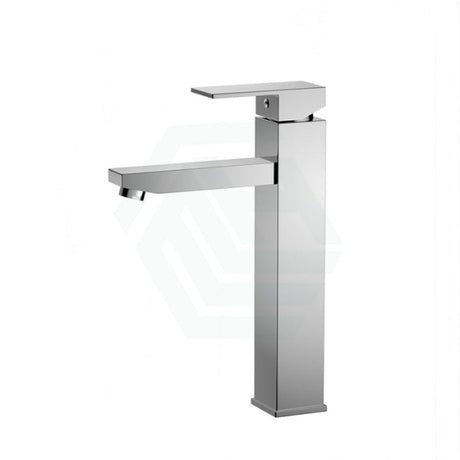
Practically speaking, it is important to know this when considering a bathroom design, as each different component adds to the overall cost. Wall-hung vanities require structural support and you must consider the weight of stone benchtops and the plumbing requirements to accommodate vessel basins, as these need tall or long-spout basin mixers rather than shorter ones. The whole bathroom must make sense as a whole and be designed as such so it doesn't look jumbled together.
Now we've established that, let's have a closer look at the traditional bathroom vanity styles as to the materials and construction choices made for them. The choice of style also has implications for costs and installation.

Traditional Bathroom Vanity Styles: Features, Materials and Costs
Traditional bathroom vanities usually include cabinetry made from detailed timber, either solid timber or moisture-resistant MDF (Medium-density Fibreboard). The cabinetry often has some detailing such as raised-panel or flat-panel doors. Traditional-style vanities usually have some detail on the drawers and doors. The hardware, handles and hinges are usually decorative in style in either brushed brass, oil-rubbed bronze or antique nickel. The most common style of basin is undermount, sitting within the stone or engineered-stone benchtop with no visible detail to the top edge. These range in sizes from 600mm for a small ensuite to 1200mm for a spacious double in the main bathroom.
Moisture resistance must also be considered in relation to this style. Solid timber looks and feels beautiful in bathroom settings, but the finish requires regular maintenance in the form of regular sealing to keep moisture at bay and good ventilation to prevent warping. Painted MDF with a good quality finish can be used but, in the case of all timber in a bathroom, good ventilation is vital. You can expect to pay between $800 and $1,800 AUD for a freestanding cabinet in this style only, before the inclusion of a stone benchtop and basin plus installation. Full ensuite renovations incorporating traditional vanity styles can range from $10,000 to well over $25,000 (HIA Bathroom Renovation Cost Guide 2025) depending on scope and location.
For those who like some of these details but would prefer it all to not be so formal and ornate, transitional style can offer a good solution and fits within many Australian home designs and budgets.

Transitional Vanity Styles: A Mix of Classic and Modern
Many Australian bathroom vanities are in the transitional style. They have a wide appeal and suit many different architectural styles. Cabinets with a flat panel in the centre are called shaker cabinets and, being flat-edged, they look good in both a traditional-style setting as well as modern settings. The colour schemes tend towards white, warm greige or deep navy shades. They are often finished with a more contemporary finish like matte black or brushed nickel.
Transitional bathroom vanity ideas work well because, while being less formal, they keep in line with the more traditional style. For instance, using a timber cabinet veneer finish with a Carrara marble-look porcelain benchtop can feel warm and inviting without feeling like an overly detailed traditional style. Many of these can be sourced from mid-range brands like ABS and MCH from about $400 to $900 AUD for the cabinet only, meaning that this can be very cost-effective too. Premium options from CETO push toward $1,500 to $2,200 AUD and feature Häfele soft-close hardware and quality cabinetry.

Modern Bathroom Vanity Style and Contemporary Bathroom Vanity Styles
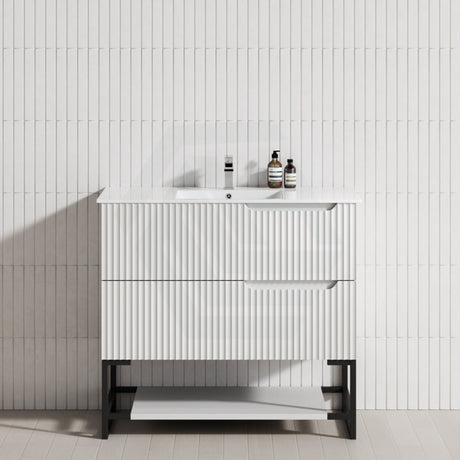
Typically, a contemporary bathroom vanity will have flat fronts, be handleless and be wall-hung. The latter can give a small ensuite a more airy feel, as the lack of a base means there is no blockage on the floor at the base of the vanity. At this end of the style spectrum, your pick will be between gloss polyurethane and matte lacquer finishes, or it will be made with a timber veneer. Aulic is an excellent example of good construction in premium cabinetry for contemporary styles, as it uses Australian-made premium plywood in the construction of its carcasses.
As the carcass of a wall-hung vanity will need to be supported, this type of vanity must be constructed on a wall that has structural framing — such as steel noggings or plywood backlining — behind the finished bathroom wall lining. Steel noggings, timber or plywood backing should be installed by the builder as part of the wall construction, and these must be framed in before installing tiles. If you choose a wall-hung vanity, it needs to be planned during the build; it cannot be added later. You also need to confirm what height the waste and water pipes are roughed-in to before ordering your wall-hung vanity.
Coordinating your vanity style with the rest of your bathroom is most pertinent when exploring contemporary bathroom design ideas. A matte white wall-hung vanity with an integrated basin will look exceptional beside a soaking tub. Modern bathroom ideas will look carefully considered rather than clinical, thanks to cohesive geometric lines and materials. Lukka, which has 76 vanity options, and CETO are both strong choices for bathrooms following a modern design path; wall-hung vanities at both brands range from $300 to $2,800, depending on carcass choice from entry-level PVC options to premium plywood.

Choosing the Right Vanity Style for Your Bathroom: Practical Considerations
Before settling on a style, you need to know your rough-in dimensions. Standard vanity depths run 450mm to 550mm—confirm the available floor space allows for that, plus door clearance (NCC 2022 requires a minimum 820mm clear opening for bathroom doorways in new builds, which affects layout planning considerably) (NCC 2022, ABCB Housing Provisions, Part 12.2). Single vanities at 900mm wide will be the most common choice for a main bathroom, while double vanities suit shared ensuites for two people at 1500mm to 1800mm.
Prices won't vary significantly across bathroom vanity styles. An entry-level PVC or basic MDF vanity will sit at about $300 to $600 AUD; $600 to $1,400 AUD will get you a good quality vanity with a mid-range MDF or veneer cabinet, with soft-close hardware and a solid benchtop; if you want a plywood carcass, stone benchtop and quality hardware such as Häfele, expect $1,400 upward. Note that prices quoted for bathroom vanity cabinets are for the cabinets themselves only — they don't usually include the basin or basin mixer, and connecting plumbing must be carried out by a licensed plumber.
For a well-coordinated bathroom, match your bathroom vanity ideas with your other fixtures. If you are drawn to classic-style fittings, such as freestanding soaking bath tubs, opt for a shaker-style vanity for a cohesive look. If you're choosing modern vanity designs, flat-front vanities will sit nicely beside fluted baths, where the fluted detailing provides contrast against the vanity's flat fronts and matte finishes. Before choosing your basin mixer, confirm it carries WaterMark certification — plumbing authorities will not accept it otherwise. WaterMark-certified basin mixers must also meet lead-free requirements under the National Construction Code for all WaterMark Schedule of Products from 1 May 2026 (WaterMark Certification Scheme).
Getting these compliance details sorted early is part of a broader principle: the most common mistake with bathroom vanity ideas is choosing a style because you like how it looks rather than first establishing rough-in measurements, wall substrate and ventilation requirements. Confirm these first and you will have a much easier time choosing bathroom vanity styles that truly suit your home.
References
HIA (Housing Industry Association) — Bathroom Renovation Cost Guide 2025
National Construction Code 2022, ABCB Housing Provisions, Part 12.2 Livable Housing
WaterMark Certification Scheme, Australian Building Codes Board