01 July, 2026
Complete Guide to Bathroom Renovation Tips
Discover essential bathroom renovation tips for budgets, layouts and fixtures. Plan your Australian bathroom reno with confidence.

A bathroom renovation is one of the most rewarding — and most punishing — projects a homeowner can take on. Done well, it adds genuine value and comfort for decades; done poorly, it costs you twice. In my experience, the difference almost always comes down to planning, budget discipline, and understanding the order of work. Costs range from $5,000 to $10,000 for a basic cosmetic refresh, right up to $30,000 and beyond for a high-end result — and keeping a 10 to 15 per cent contingency is non-negotiable. This guide walks you through every stage, from setting a realistic budget to choosing fixtures that will still look sharp in twenty years.
Video Credit: Pizza and Property
Why Bathroom Renovations Require Careful Planning
A bathroom renovation is quite probably the most complex renovation you'll ever undertake. The reason? A bathroom is small and everything in it is interdependent – the plumbing, the electrical, the waterproofing, the tiling and the fit-out all rely on each other and all have to happen in a specific order.
I've seen far too many bathrooms go sour from bad planning. You have to do things in the right order, otherwise you're usually paying twice or even three times the cost for the necessary remedial works. For example, you can't tile until the waterproofing has been allowed to cure. You can't fit the tapware until the rough-in is complete.
The plumbing, electrical and waterproofing in a bathroom in Australia must be completed by licensed tradespeople. Once work is completed the plumber must provide a compliance certificate. While the certification goes by a different name in each state, the act of providing one is the same. Always make sure that you have included an allowance for licensed tradespeople in your budget before the work begins.
Depending on the scope of your work, you may also need to get council approval. Moving plumbing or knocking through a wall will usually require a building permit. Check with your local council before any demolition commences. Failure to do this will cause all sorts of headaches when it comes time to sell.

Setting a Realistic Bathroom Renovation Budget
You should also have a good idea of how expensive bathroom reno costs will be. A basic cosmetic reno with new fixtures, tapware and paint but no layout changes will run you between $5,000 to $10,000. A mid-range full bathroom reno will run you between $15,000 and $25,000. A high-end bathroom reno with quality tiles, custom joinery and top of the range fittings will quickly run you $30,000 and upwards depending on the scope, location and grade of finish.
| Renovation Tier | Typical Cost Range | Scope of Work | Typical Duration |
|---|---|---|---|
| Basic cosmetic refresh | $5,000 – $10,000 | New fixtures, tapware and paint; no layout changes | 1 – 2 weeks |
| Mid-range full renovation | $15,000 – $25,000 | Full fit-out, new tiling, plumbing and electrical work | 4 – 6 weeks |
| High-end renovation | $30,000+ | Quality tiles, custom joinery and top-of-range fittings | 6+ weeks |
Most people come unstuck on the labour costs. A plumber will charge between $80 to $120 per hour, an electrician between $80 to $130 per hour, while the waterproofing will cost between $50 to $80 per square metre. These are not the areas where you can cut costs. Your plumber, your electrician and your waterproofer do the structural work that keeps your house intact.
Always keep a 10 to 15 per cent contingency in your budget. Once you get behind the wall, there are often surprises – rotted framing, old plumbing or just simply poor workmanship from a previous renovation. I've watched a budget get totally blown out because a rough-in was poorly done from a previous renovation and had to be completely redone. A mid-range bathroom renovation typically runs four to six weeks from demolition to completion, so factor that into your planning too.

Layout, Sizing and Structural Considerations
Once you've got your budget, the biggest factor that will dictate whether or not you stay within it is the amount you change your existing layout.
Keeping your fixtures on the same wall as the existing plumbing rough-in is the most efficient way to keep costs down. Moving the toilet or the shower waste a mere 500mm can add thousands to your plumber's bill. Unless there is a clear functional reason to move things around I would recommend you always work with what you've got.
There are minimum clearances in an Australian bathroom to enable them to function correctly and to meet the accessibility requirements in AS 1428.1. Each toilet requires 900mm (AS 1428.1:2021) of clear space in front, and 450mm on either side to the nearest obstruction. For a new build, a shower recess can start off at 900mm x 900mm. But keep in mind — these are the minimums, not the ideal.
Something else you might forget is the ventilation. Per NCC 2025, the total flow rate for a mechanical exhaust system attached to a bathroom space must be 25 L/s (NCC 2025, ABCB Housing Provisions, Part 10.8) minimum. This is critical — no ventilation equals moisture which leads to mould. Make sure your fan meets this, especially if you live in an older home.

Choosing Key Fixtures: Vanities, Toilets and Baths
Once you have your floor plan finalised and the clearances confirmed, you can then proceed to confidently source the fixtures you know you are working with the dimensions and rough-in positions of.
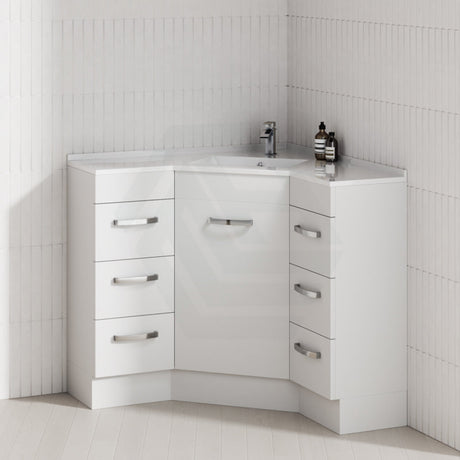
A wall hung vanity is a very popular choice for great reasons — the vanity creates an airier space as the floor underneath remains uncovered. Usually, these vanities sit between 820mm and 900mm tall to the basin's top surface. Make sure the unit is fastened to a structural stud and not just plasterboard, as plasterboard does not hold the weight.
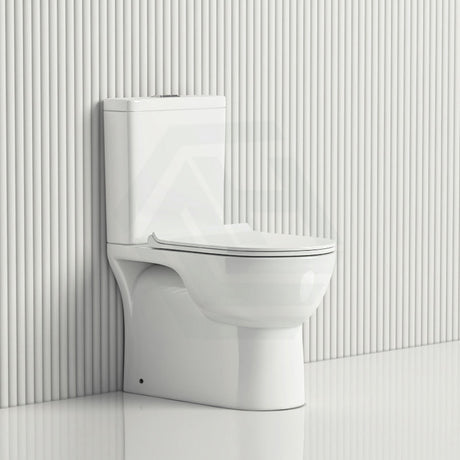
A back to wall toilet is a more modern design option than the usual close-coupled suite. It can be used with an in-wall or exposed cistern. Always make sure that the S-trap setout on the toilet you choose fits your existing rough-in, as in Australia the rough-ins usually range from 100 to 120mm for toilets. Check before you purchase.
When deciding on the key fixtures, double-check all dimensions. A 50mm variance with your new vanity or a toilet that doesn't fit the existing rough-in position will cost you a lot, and time will be wasted while your tradies await the correct products.

Materials, Waterproofing and Common Mistakes to Avoid
Following the right bathroom renovation tips around materials and waterproofing will influence how long your bathroom will last.
Waterproofing is the most important part of this, and Australian standards are very specific about what's required. AS 3740:2021 stipulates all shower walls are to be waterproofed to 1800mm (NCC 2025, ABCB Housing Provisions, Part 10.2) above the floor substrate, and the floor is to be fully waterproofed. For baths, the surrounding walls are to be water resistant for a height of no less than 150mm (AS 3740:2021) above the bath vessel. Please note that water resistant does not equal waterproof. Your waterproofer should allow a minimum of 24 to 48 hours between coats — never allow your waterproofer to rush this process.
Once waterproofing is sorted, your next consideration for floor tiles should be slip resistance. The minimum slip resistance rating per AS 4586 for shower floors is P3 (AS 4586:2013). There are plenty of great choices, just make sure the one you pick meets the criteria prior to installation.
A freestanding bath is a timeless look and suits a lot of styles. But it does need to be planned around the floor drain position, and a clearance area of at least 1800mm. These measurements should be confirmed prior to the waterproofing and tiling works. Freestanding baths can be either acrylic or cast iron — acrylic is lighter and easier to move around, while cast iron provides better heat retention. Consider which material will work best for you.
Three of the biggest things I look out for in a bathroom reno are poor waterproofing membrane, incorrect floor falls and non-certified fixtures. A WaterMark certified product meets the current Australian standards and is to be installed by your licensed plumber only. Following these bathroom renovation tips and partnering with the right licensed professionals can mean the difference between your bathroom standing the test of time and lasting for decades.
References
State and territory plumbing licensing authorities (Building and Plumbing Commission Victoria; Building Commission NSW / NSW Fair Trading; Queensland Building and Construction Commission; Plumbers Licensing Board Western Australia (administered by Building and Energy); Consumer, Building and Occupational Services Tasmania; Access Canberra ACT; Office of the Technical Regulator / Consumer and Business Services South Australia; Plumbers and Drainers Licensing Board Northern Territory)
National Construction Code 2025, ABCB Housing Provisions, Part 10.8 Condensation management
AS 1428.1:2021 Design for access and mobility, Part 1: General requirements for access — New building work, Standards Australia
National Construction Code 2025, ABCB Housing Provisions, Part 10.2 Wet area waterproofing
AS 3740:2021 Waterproofing of Domestic Wet Areas, Standards Australia
AS 4586:2013 Slip resistance classification of new pedestrian surface materials (incorporating Amendment No. 1:2017), Standards Australia