

16 April, 2026
What Is a Bidet and How Does It Work?
What is a bidet and how does it work? Complete guide to bidet types, benefits, usage tips and installation for Australian bathrooms. Cleaner, more hygienic alternative to toilet paper.

How a Bidet Actually Works
Have you come across the term "bidet" lately? Maybe you were having a bathroom renovation discussion or you are shopping for luxurious bathroom equipment online. But what is a bidet? Essentially, the bidet is a spray of water for cleaning yourself after going to the toilet. That is, essentially, what does a bidet do; it does replace (at least in part) your need for toilet paper with water for personal hygiene.
How do bidets work? The basic mechanism is simple: bidets use a small nozzle to deliver an adjustable stream of water to the body. For standalone bidets, these usually are placed beside your toilet and look like a small basin with its own tap and drain. You straddle it or sit on it to use. In the modern toilet seat bidet, the nozzle(s) are part of the bidet seat and sit on your toilet bowl; once you push the buttons or adjust the dial, you are off to a clean and comfortable place.
Bidet water pressure (and water temperature on most units, thankfully) is adjustable. Nobody particularly wants an ice-cold surprise first thing in the morning! Higher-end versions will even feature warm air drying, heated seat options, and self-cleaning nozzles. The overall procedure from turning it on until you are done takes roughly thirty seconds to a minute, and you end up using far less toilet paper, or possibly none.

Types of Bidets You Will Find in Australia
If you are picturing only one specific type of bidet, be prepared to be surprised that there is actually a wide array to choose from in Australia. The first and most classic style of bidet is the standalone unit. It is not attached to your toilet and, as its name suggests, requires a separate floor space and plumbing. It is fairly common in European homes, less so in Australia where space is limited.
More commonly, there are toilet seat bidets, which replace your current toilet seat and tap into the toilet's water supply. The beauty of the toilet seat bidet is the ease of installation: you can easily install one in under an hour, and most DIY people are capable of doing so. For an electric bidet seat, you can choose between heated water, adjustable pressure, oscillating nozzle spray, and other advanced features, including a nightlight. Non-electric bidets are available, as well, and work off the pressure from the water supply at a lower price than electric models.
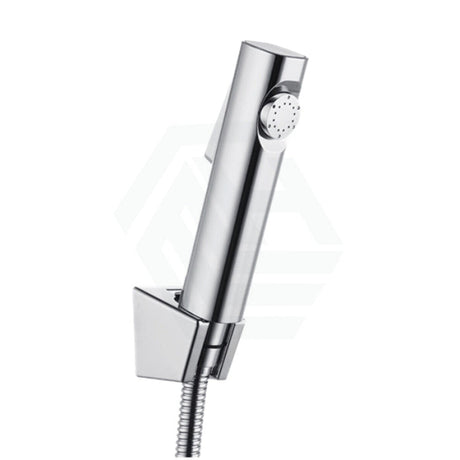
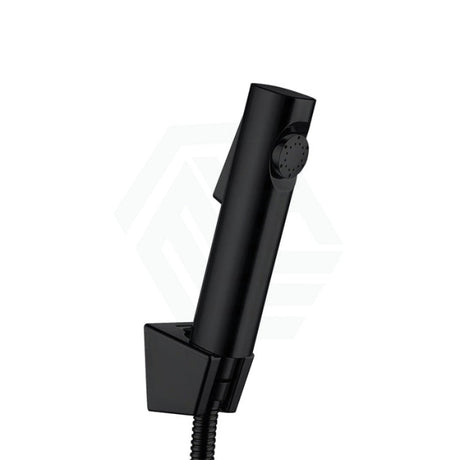
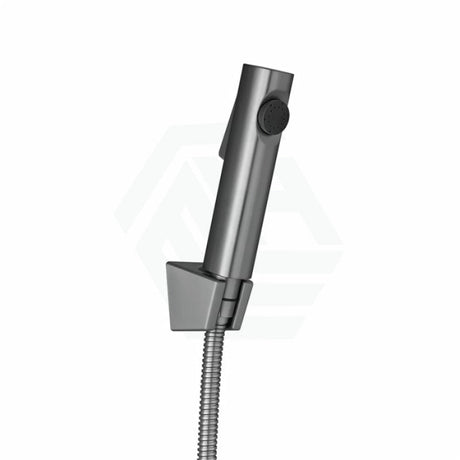
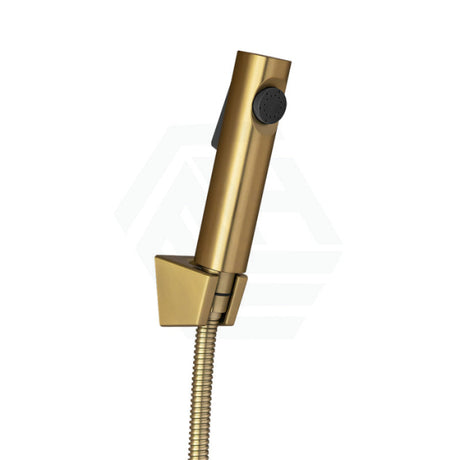
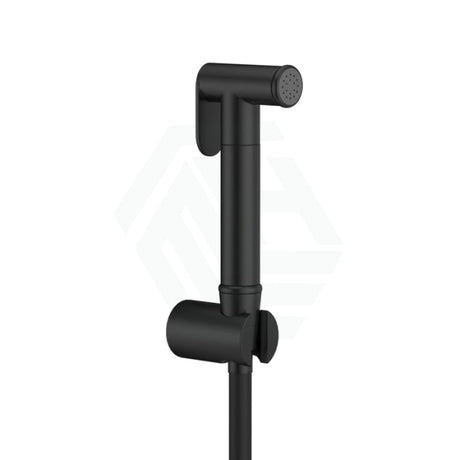
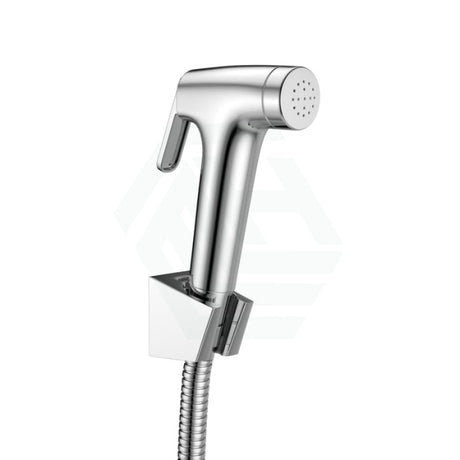
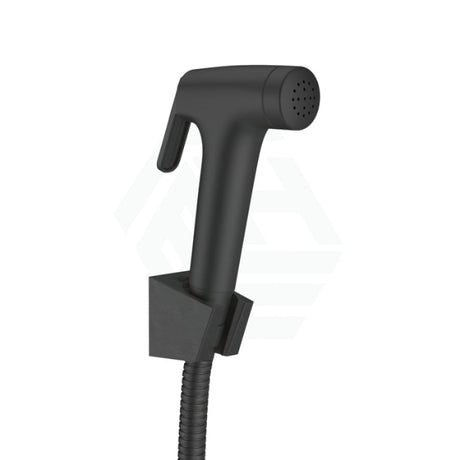
The hand-held bidet sprayer, which is also called a shattaf, is another budget-friendly alternative. It is mounted next to your toilet, and it looks like a compact shower head on a flexible hose. You manually adjust your hand to control the water pressure and the area to be cleaned. Most are between $30 and $80 and simply attach to the toilet's water supply valve.
There are also integrated bidet toilets in which the toilet and bidet functions are combined into a single toilet. This is at the high-end of pricing and can range between $1,500 and $5,000 or more, depending on the bidet features.

The Practical Benefits Worth Knowing About
As well as the feeling of having a well-appointed bathroom, the bidet benefits are genuinely practical. Health professionals have been noting how much more hygienic water is for cleaning than dry toilet paper alone for decades now. This makes them particularly useful for sensitive skin, as well as those with conditions such as haemorrhoids or those in recovery from operations.
And then there are the cost savings to consider. On average, an Australian household spends between $150 and $200 on toilet paper per year. A bidet attachment will often recoup its cost in only a handful of months, and a full bidet seat will pay for itself within a year or two. That adds up across a decade.
There are also environmental savings in the fact that it takes roughly 140 litres of water and some wood pulp to manufacture a roll of toilet paper. With the bidet, you only need about one to two litres of water per wash. Multiply that across a year and you see the savings. A bidet seat with remote control is great for older family members or someone with mobility challenges. No more awkward stretching and turning to reach the toilet paper. This simple accessibility option is often overlooked when designing a bathroom.

How to Use a Bidet the Right Way
Using a bidet is not difficult, but there are some tips to help you get started. For a standalone bidet, you use the toilet first, then move to the bidet. Sitting facing the taps can be easier, or facing away from them. You choose whichever feels comfortable to you.
Using a bidet toilet bidet seat or attachment works a little differently. Instead of getting up, you stay seated on the toilet. Press the wash button or turn the dial and the nozzle comes out to direct water to clean you. Start with a lower pressure at the beginning, as it might feel a bit strange. Most people find themselves fully comfortable with how to use a bidet after just two or three attempts.
After washing, you can pat dry with a tiny amount of toilet paper, or if your bidet seat has one, you can use the dryer feature. Some households keep a set of dedicated small towels for drying (wash them regularly, obviously). What matters is the positioning. The nozzle, if you can adjust it, should be where you feel comfortable and aimed correctly. You just press the button or turn the dial and the whole process takes well under a minute.

Choosing the Right Bidet for Your Bathroom
The first question for people who are shopping for bidets australia is how much you are willing to spend and what your bathroom layout allows. If you have the room for a standalone bidet and the necessary plumbing, that remains a viable option. But if you have a compact bathroom, like one in an apartment or a modern home, a bidet toilet seat or handheld bidet sprayer makes the most practical sense.
You want to check that the seat you are looking at will fit your toilet. Australian toilets are round or elongated, and bidet seats are specifically designed for each. Measure the length of the toilet bowl from the bolt holes to the front and most products will list the compatible sizes.
If you are renting, your best bet is a handheld bidet sprayer. It installs with a T-adapter fitting on the water supply valve. It can be removed easily when you move and leaves no permanent marks. For homeowners looking for a comfortable long-term solution, an electric bidet seat with warm water and adjustable pressure settings offers the best comfort over the years.
If you have been wondering what is a bidet that best suits a rental versus a permanent home, the answer really does depend on your situation. Also, take the water pressure in your area into consideration. Non-electric bidets depend entirely on the water pressure from the mains, so if your home has low pressure, an electric bidet seat with a built-in pump might work better.