25 March, 2026
What Is a Toilet Cistern and How It Works
Learn what a toilet cistern is and how it works. This simple guide explains the main components, common problems, and easy maintenance tips to stop leaks, save water and keep your toilet running smoothly.

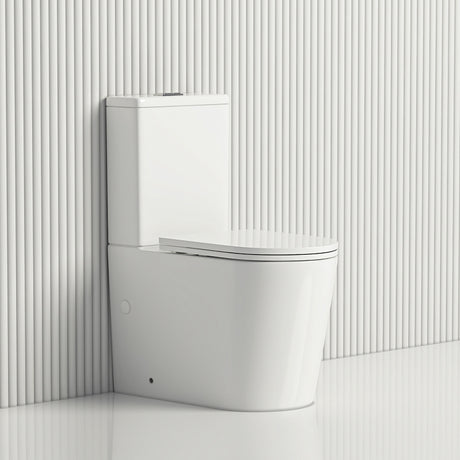
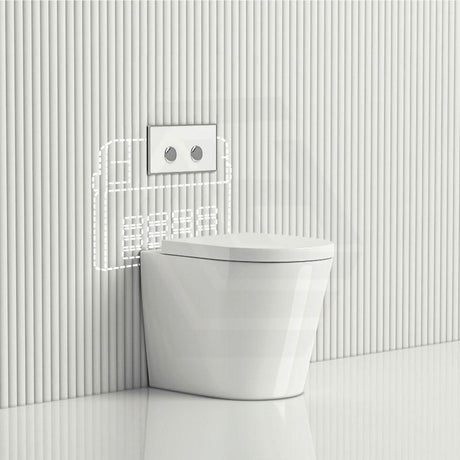
A toilet cistern is simply the tank that's sitting behind or above your toilet. It's the thing that stores the water that your toilet uses to flush. When you push the button or pull the chain, it activates a relatively simple but very clever mechanism that's hiding inside your porcelain throne. Okay, it's not clever. But it's cool when you know how it works!
How Does a Toilet Cistern Work?
The toilet cistern works on a relatively simple mechanism. When you push the button or pull the chain, it causes water to flow from the tank into the bowl via the flush valve. The water flows into the bowl, and somehow manages to suck all your poop down the pipe (I don't want to know the details, either!). After that, the cistern needs to fill back up with water ready for the next time. This is where the inlet valve for toilet (or fill valve) comes in. As the water level in the cistern drops, a float (usually a ball or a cup) drops. This opens the valve, and water flows back into the cistern. The toilet intake valve plays a crucial role in controlling the water flow and maintaining the proper water level. When the water level gets back to where it's supposed to be, the float rises again, and closes the valve. Pretty straightforward!
What's Inside Your Toilet Cistern?
The main parts you'll find inside a toilet cistern are the flush valve (which allows the water to flow into the bowl), the fill valve, the float (which causes the fill valve to turn on and off), and the overflow tube. The overflow tube is important, because without it, the cistern would constantly overflow if something was wrong with the fill valve. Understanding these toilet cistern components is essential for proper maintenance and troubleshooting. I can only assume that it's stopped my bathroom floor from flooding at least once.
When Things Go Wrong
Most of the parts inside your toilet cistern are plastic or rubber. Unfortunately, this means that they tend to wear out over time. If you hear the sound of running water coming from your loo, it's usually because the seal on your flush valve has worn out, and water is leaking into the bowl. Alternatively, it could be that the valve is jammed, and won't turn off properly. Both scenarios mean you're wasting water and probably money too.
A few months ago, I visited my parent's house in Sydney. Mum was complaining about the water bill, which had skyrocketed in recent months. I went into the bathroom, lifted the lid on the cistern, and discovered that it had been running constantly for months! I grabbed a new fill valve kit from Bunnings (it only cost $25 or so) and replaced it. It took me about 20 minutes, even though I had no idea what I was doing. It would have been easier to call a plumber, but where's the fun in that?

Should You Replace Parts or the Whole Cistern?
You can replace individual toilet cistern parts if you like, or you can replace the whole cistern. If it's just a case of replacing the rubber washer, or the flapper valve, then I'd suggest replacing the individual parts. But if your cistern is very old (20+ years), or it's cracked, or you find that you're constantly replacing parts, you might want to consider replacing the whole unit. In some cases, it makes more sense to replace toilet cistern entirely rather than continuing to repair aging components. Most modern cisterns are designed to be more water efficient than the older ones, so it might even save you money on your water bill in the long run.

Tips for Replacing Toilet Cistern Parts
If you do decide to replace parts, I recommend taking a photo of your cistern before you head to Bunnings. Not all cisterns are created equal, and you don't want to end up like me: standing in the plumbing aisle, wondering which of the 10 different types of fill valve you need. Most places sell universal kits designed to fit standard Australian toilets, but it pays to check. If you have an older Australian toilet, or a weird imported one, you may need to order your parts online. The staff at Reece are usually pretty helpful when it comes to this sort of thing, so don't be afraid to ask.
Also, don't forget to turn the water supply off before you start mucking around! There should be a little tap at the back of your toilet, near the floor. You just need to turn it clockwise to shut it off. Because trust me, there's nothing like flooding your bathroom in an attempt to avoid calling a plumber. Been there, done that.
Your cistern toilet might not be the most exciting thing in the world, but knowing how it works can save you a fair bit of money. Plus, there's something satisfying about fixing something yourself instead of waiting around for a plumber to show up.