

05 May, 2026
Modern Bathroom Ideas with a Freestanding Bath: A Spa-Like Retreat
Modern bathroom ideas with a freestanding bath: spa-like layouts, material choices, plumbing tips and design inspiration. Create a luxurious focal point in your Australian bathroom.

What Makes a Modern Bathroom with a Freestanding Bath Work
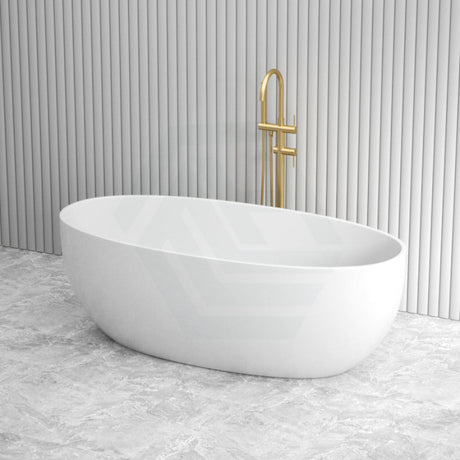
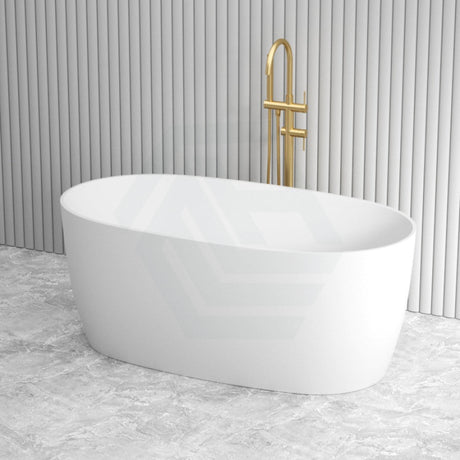
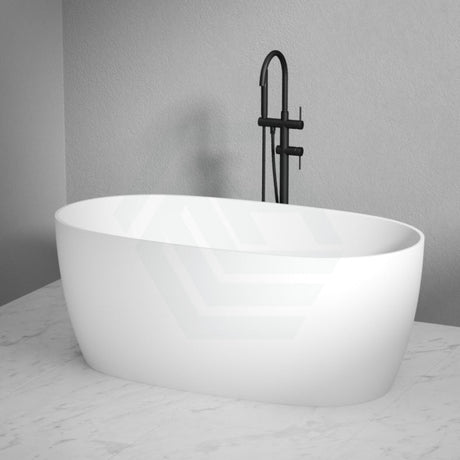
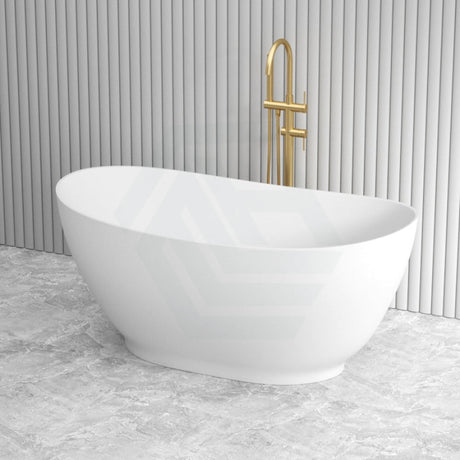
You enter the bathroom. There is no built-in bathtub in the corner. The centrepiece is a gorgeous freestanding bath that has room all around it with clear, sharp edges and considered finishes. This is a modern bathroom with a freestanding bath, and like the modern bathroom itself, it takes as much thought as it takes inspiration.
Freestanding baths require a minimum of 1.8 metres of open space around the tub in order to work properly which means you need space within your bathroom. They are not suitable for small bathrooms. A bathroom that is smaller than about 6 square metres won't seem luxurious — it'll seem crowded. If you are going for a basic acrylic freestanding bath, the price starts at about $878. The best stone resin freestanding baths can reach $7,182 and beyond. You have to know what your price bracket is before you start searching. You're losing the storage and space-saving potential of a built-in bath, but the gain is the eye-catching appearance and spacious feel of the room.
Once you've decided on the spatial constraints and budgetary parameters required by a freestanding bath, you can begin choosing the best bath for you in terms of material, size, and specifications.

Choosing the Right Freestanding Bath: Materials, Sizes, and Specs
Three materials are most common when looking at the Australian market for freestanding baths: acrylic, stone resin, and cast iron. Acrylic is backed by fibreglass, which adds additional support. This is the most readily available material, the lightest in terms of weight, and the cheapest. Acrylic freestanding baths from brands such as Broadway, Poseidon, and ABS offer a quality balance of durability and heat retention. Stone resin sits somewhere in the middle or premium range. An empty stone resin bath can weigh between 80–120 kg, retains heat excellently, and feels solid. Cast iron is the true heavyweight — it can exceed 150 kg, which may require a structural engineer or your builder to check the floor's load-bearing capacity.
Standard Australian freestanding bath lengths run from 1400 mm to 1800 mm, with widths typically between 700 mm and 800 mm and depths ranging from 400 mm to 600 mm. The practical minimum for comfortable adult use is 1500 mm. The most popular length is 1700 mm — it works across the widest variety of bathrooms without completely dominating the space. It can be tempting to buy a bath based solely on how it looks in an advertisement. The risk is purchasing a bath that cannot be carried in your bathroom. Always mark the bath's footprint on your floor with tape before you commit to a purchase.
Now that you know what size and weight your bath is, you can move forward with deciding where to place it in the room, both in terms of layout and where the rough-ins need to be installed.

Bathroom Layout Planning for a Freestanding Bath
The best placements for a freestanding bath treat it as a centrepiece — positioned centrally or along a feature wall, ideally with a clear sightline from the doorway. The recommended starting clearance on all sides is 200 mm, though 300–400 mm feels far more generous and functional in practice. It is not just a design consideration but a practical one: you need enough space to step in safely, clean around the bath, and maintain access to the waste.
Bathroom layout planning also intersects with Australian wet-zone regulations. Under AS 3740, waterproofing requirements apply to the zones around the bath, and your bathroom measurements — specifically the waste outlet position — must align with where the bath's floor waste will sit. Rough-in the waste position before any tiling begins, and confirm it with a licensed plumber during the planning stage rather than after.
Two positions to avoid: directly under a window, which can cause damp and cold, and directly next to the toilet. If you are working with a medium-sized bathroom of 6–8 square metres, it often makes the most sense to position the bath along the longest wall. Once the layout and bath position are settled on paper, it is time to focus on the plumbing and structural requirements.

Plumbing, Installation, and Practical Considerations
This is where it gets technical, and it is best to engage a licensed plumber. In every state and territory of Australia, connecting a freestanding bath to the water supply, waste, and overflow is licensed plumbing work. Attempting this yourself risks compromising your home insurance and may cause water damage.
Floor-mounted tapware — the type most commonly paired with a free standing bath — should be roughed-in at an early construction stage, before the slab or subfloor is poured and finished. The plumber will locate the hot and cold water supply lines and floor waste to align with the bath's waste outlet position. Wall-mounted tapware removes the need for a floor rough-in, although the bath must still be positioned within reach of the wall spout.
You should also allow additional budget for the licensed plumber, waterproofing to AS 3740 standards, and any required subfloor reinforcement for heavier stone resin or cast iron baths. In Australia, plan on $2,000–$5,000 or more depending on site complexity. Should you choose a freestanding spa bath — which range from $3,038 to $4,398 — you will also need a licensed electrician to wire the jet pump, as required by AS/NZS 3000.

The Final Pieces: Tapware, Lighting, Vanities, and Other Fixtures
Finally, you will have an opportunity to make your bathroom freestanding bath feel completely your own. Cohesive modern bathroom design will tie together your tapware finish, vanity style, and lighting choices so every fixture feels intentional rather than accidental. Get those details right and the whole space comes together beautifully.
References
AS 3740:2021 Waterproofing of Domestic Wet Areas, Standards Australia
AS/NZS 3000:2018 Electrical Installations (Wiring Rules), Standards Australia