

05 May, 2026
How to Properly Use a Bidet: Integrated Bidets, Spray and Hose Tips
How to properly use a bidet: step-by-step tips for integrated seats, handheld sprays and hoses. Hygiene benefits, common mistakes and practical advice for Australian bathrooms.

What Is a Bidet? Meaning and Common Types in Australian Homes
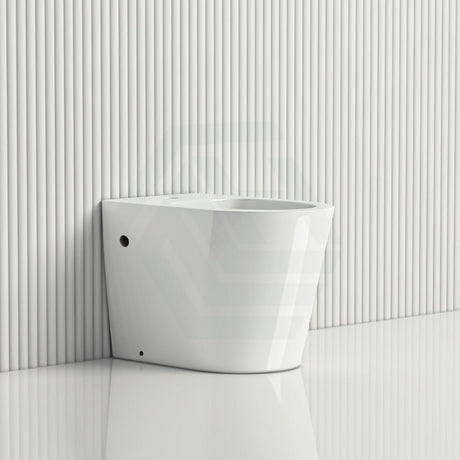
So what exactly is a bidet? The bidet meaning is straightforward: a bidet is a bathroom fixture intended to wash you with water after using the toilet. To define bidet in its simplest form — it is a porcelain basin beside your toilet. The newest forms are either the bidet seat cover, which attaches onto your toilet bowl, or a complete smart toilet, which has sophisticated water controls.
There are 3 basic types of bidets used in many homes.
A freestanding bidet basin uses more space in the bathroom and needs its own plumbing. It therefore best fits larger rooms.
An integrated bidet toilet has either bidet seat covers to fit on your toilet bowls, or a complete smart toilet suite from brands such as Kohler or Poseidon. The cost ranges from $80 for a basic bidet seat cover to $6,205 for a premium smart toilet suite.
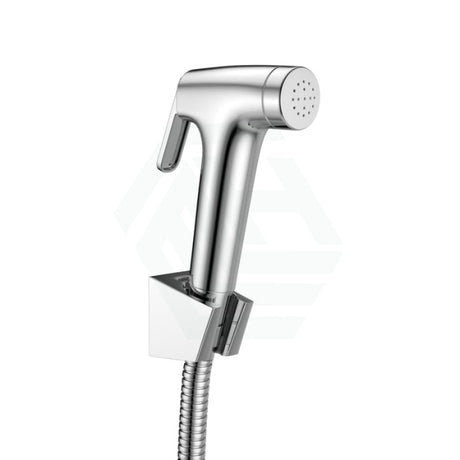
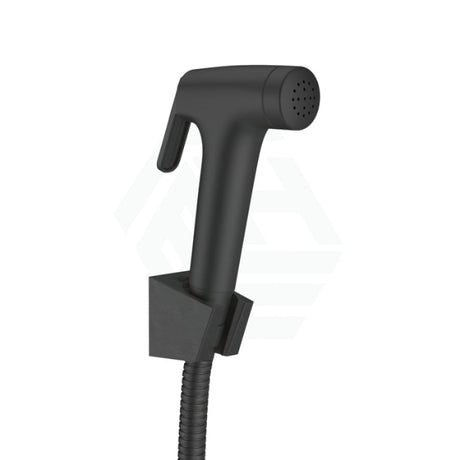
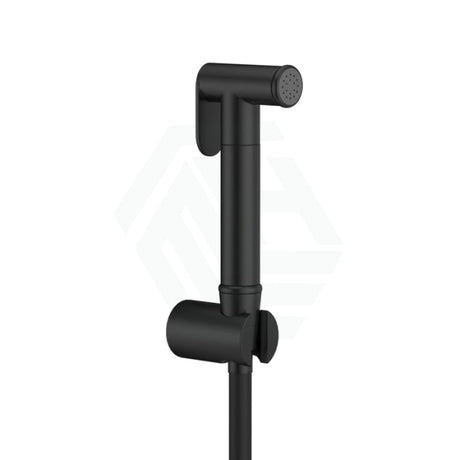
A handheld bidet spray or hose attachment is the most budget-friendly type, with prices starting as low as $7.
Now that we know about the 3 different types of bidets, how does one actually use them?

How a Bidet Is Used: The Basic Steps for First-Timers
How a bidet is used is straightforward. Just after using the toilet, position yourself over the freestanding bidet basin, or get in position above the nozzle on the integrated bidet toilet. Turn on the water at low pressure — 100 to 150 kPa is comfortable for most people — and make sure the temperature is warm and never hot. For hygiene, keep the water running front to back. Once you have cleansed, pat dry with a small amount of toilet paper, or use the air dryer function if your integrated bidet has it.
One of the biggest worries when people first use a bidet is that the water might splash. Start with the water at low pressure, and once you're used to it, increase it slowly. Room-temperature or slightly warm water is ideal; the water can be quite cold with basic hose attachments, so be prepared the first time.
To find out more about how to properly use a bidet with integrated controls and the latest features, read on.

Using an Integrated Bidet Toilet: Controls, Settings and Hygiene Tips
Smart toilet suites and bidet seat covers usually have a control panel or remote function that may seem a little overwhelming at first. However, once you know what each button does, it's quite straightforward. There are two primary cleansing modes: rear wash and front wash, both commonly available with oscillating or pulsating spray options for a more thorough clean. Heated seat controls typically range from 30°C to 40°C, and the air dryer function eliminates the need for toilet paper entirely.
Water temperature is one setting to approach carefully. AS/NZS 3500.4 specifies that hot water at bathroom outlets must not exceed 50°C — always keep your bidet's warm water setting well below that threshold to avoid scalding. A setting of 35°C to 38°C is comfortable for most users.
Nozzle hygiene is non-negotiable. Quality units — including those from Fienza and Kohler — feature a self-cleaning nozzle cycle that rinses the nozzle before and after each use. Run this cycle regularly and wipe the nozzle monthly with a mild, non-abrasive cleaner. Avoid bleach or harsh chemical sprays on plastic nozzle components, as these degrade the material over time.

How to Use a Bidet Spray or Hose Attachment Correctly
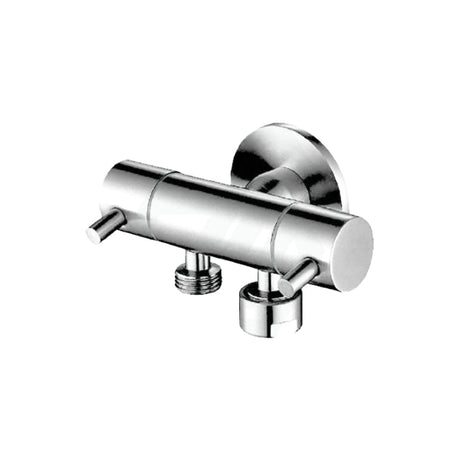
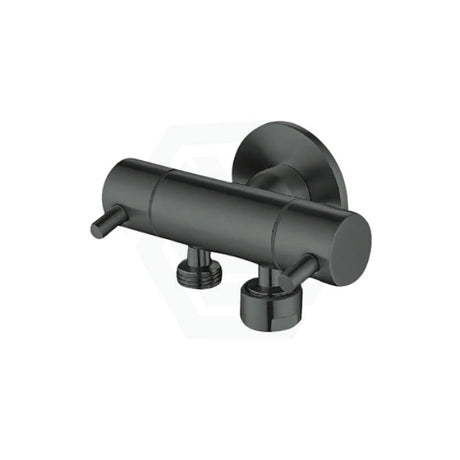
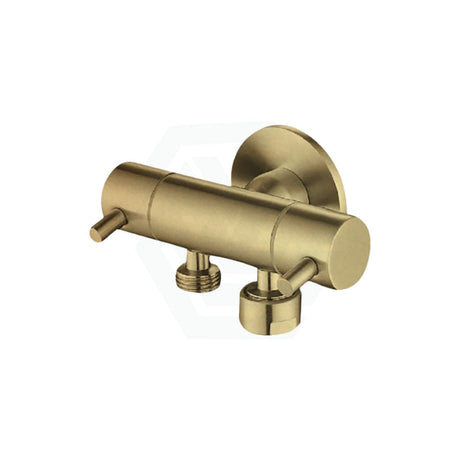
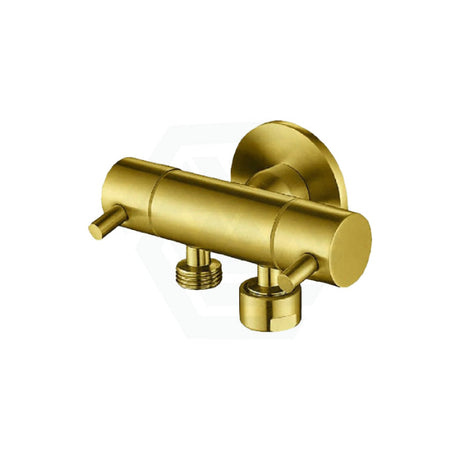
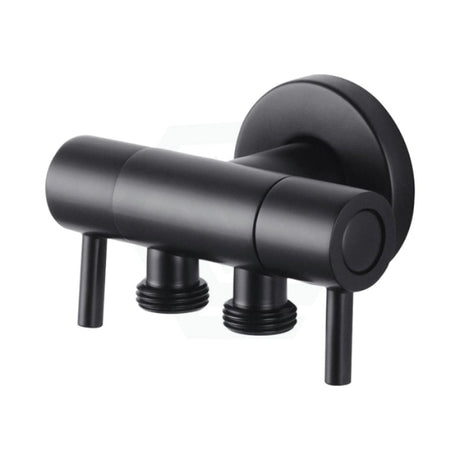
Bidet sprays and hose attachments connect to your toilet's water supply line via a T-valve and do not require a power source to operate. In most Australian states, plumbing fittings such as a T-valve must be connected by a licensed plumber. Before purchasing, confirm the product carries WaterMark approval — a plumbing fitting without this approval cannot be legally installed. From 1 May 2026, plumbing products must also meet lead-free requirements introduced under the 2022 National Construction Code Volume Three. Ensure any bidet spray or toilet bowl and bidet product you purchase meets these requirements.
To use a bidet hose, hold the sprayer for the toilet 15 to 20 centimetres away from the body with the nozzle pointing downward toward the area being cleaned. Gently press the trigger and begin at the lowest pressure setting. Most bidet hose attachments offer variable water pressure — increase gradually until you reach a comfortable level. Always spray from front to back. Bidet hose attachments generally supply cold water only, whereas integrated bidet toilet seats typically offer heated water for greater comfort.

Bidet Mistakes to Avoid
The most common mistake is setting the water pressure too high, causing water to splash around the toilet. Start low and adjust gradually. The second common mistake is not drying off after cleansing — pat dry using toilet paper or a dedicated cloth, or use the air dryer if your unit has one.
Do not use bleach or harsh chemical cleaners on the bidet nozzle, as these break down the plastic over time. Use a mild bathroom spray or diluted white vinegar with a cloth instead. And always remember to clean the nozzle regularly — a neglected nozzle defeats the hygienic purpose of knowing how to properly use a bidet entirely. Finally, always spray from front to back.
References
WaterMark Certification Scheme, Australian Building Codes Board
National Construction Code 2022, Volume Three (Plumbing Code of Australia), Part A5 Documentation of Design and Construction — Lead-Free Copper Alloy Requirements
AS/NZS 3500.4 Plumbing and Drainage — Heated Water Services, Standards Australia