07 May, 2026
How Does a Bidet Work? Everything You Need to Know
How does a bidet work? Discover types, mechanics, hygiene benefits and easy installation for Australian bathrooms. Upgrade from toilet paper for superior cleanliness and comfort.

What Is a Bidet and Why Is It Used?
If this is your first time stepping into a bathroom in either Europe or Japan, the possibility exists you'll notice another fixture near the toilet and ask, "what is a bidet"? Simply put, a bidet is a plumbing fixture or attachment that cleans you post-toilet use using an adjustable water stream.
In Australia, bidets are seeing higher take-up as users embrace a higher level of hygiene, sustainability, and bathroom comfort. If you're considering a master ensuite renovation or are thinking about your bathroom hygiene standards, knowing what is a bidet, what types you can buy, and how does a bidet work is a good starting point.

How Does a Bidet Work? The Mechanics Explained
In short, how does a bidet work is that it is a plumbing fixture or attachment that directs a water stream through a spray nozzle in order to wash and cleanse the user. Electronic bidet seats usually have self-cleaning nozzles that spray themselves before and after every use. All types have water pressure between 50 kPa and 600 kPa that is controlled by the user.
Hot water temperature is capped at 50°C by AS/NZS 3500.4 at bathroom outlets. Some bidets use a small internal tank or use an on-demand heating element; others rely on cold water only from your existing plumbing, meaning no heating, no electronics, and no complexity.

Types of Bidets Available in Australia
All bidets work in the same way. What differs is how much they cost, what they look like, and what features they come with. There are four main types of bidet to choose from.
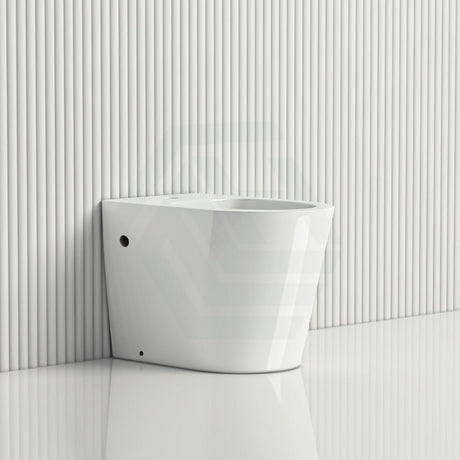
Standalone bidet basins are the old style that look like little sinks next to the toilet. They are traditionally porcelain fixtures that require a separate water inlet and waste outlet, meaning a licensed plumber is needed, per the plumbing licensing laws of your state. Standalone bidets are not often found in new builds in Australia anymore, but you still find them for bathrooms requiring a total renovation and more square metres.
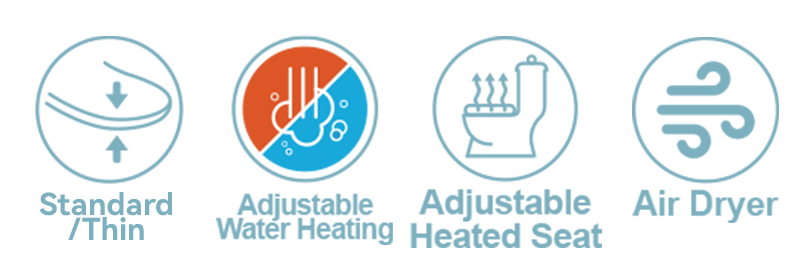
Bidet toilet seats, including non-electronic and electronic models, are added over your existing toilet pan. Non-electronic bidet seats feature a spray head and cold water only, with user control via a manual trigger. Electronic bidet seats feature warm water options as well as seat warming and drying functions, with adjustable pressure. Prices run from around $80 to $1,846. Any water supply connection for a bidet toilet seat must be completed by a licensed plumber, and hardwired electrical functions require a licensed electrician per AS/NZS 3000:2018.
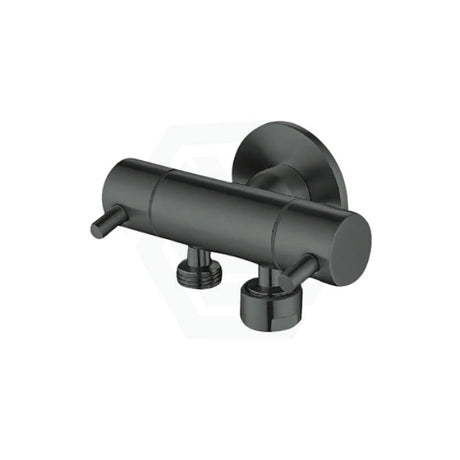
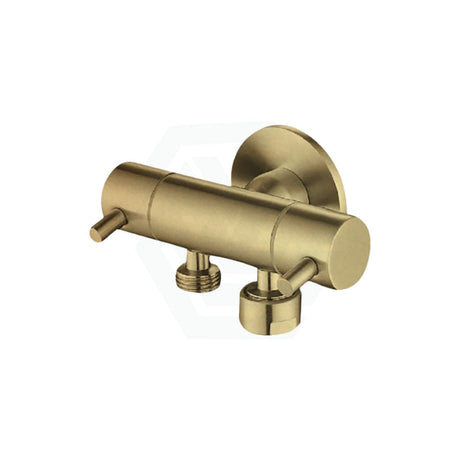
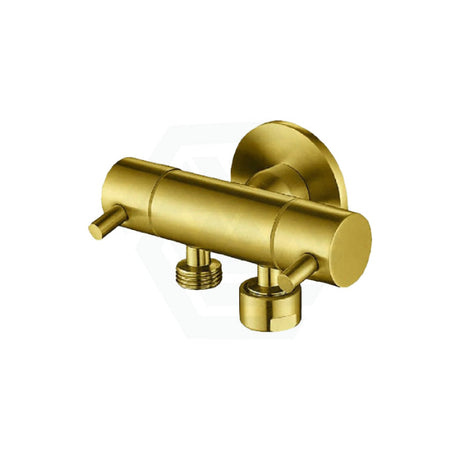
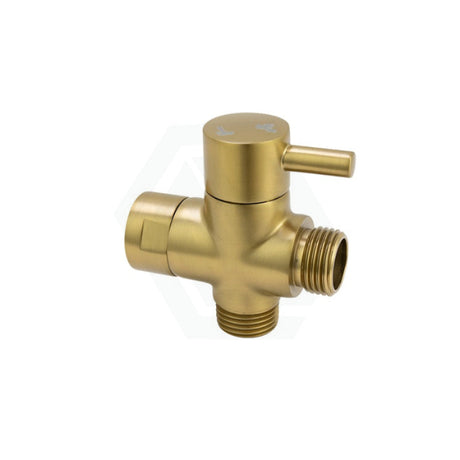
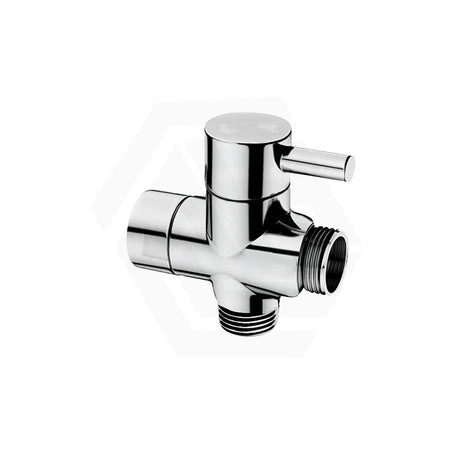
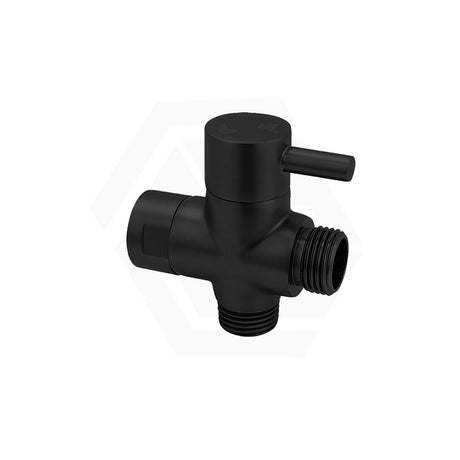
Handheld bidet sprays — often called a bum gun — are an easy and accessible entry into bidets. These usually have a small T-valve called a bidet diverter that connects the water inlet to your cistern, with a length of flexible hose running to your handheld toilet sprayer nozzle. They cost between $7 and $77. These connect directly to your water supply, so you will still need a licensed plumber to install them.
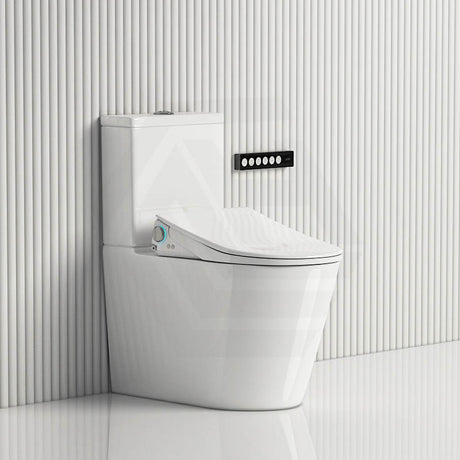
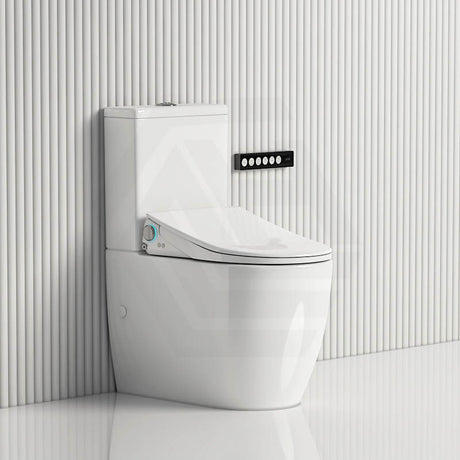
Integrated smart toilets are the premium option — a complete bidet toilet suite with built-in nozzle, heated seat, warm air dryer, and auto-flush. Brands like Poseidfwahton, Kohler, and Fienza sell smart toilet suites from $1,619 to $6,205 for the most high-end models. All plumbing fittings sold in Australia need WaterMark certification and WELS registration — always check this before buying.

How to Use Bidet Spray (Step-by-Step)
Now that you've picked a type, how to use bidet spray — especially the handheld one, as that's where most Australians begin. This is a simple guide.
After using the toilet, stay sitting. With your dominant hand, take the handheld spray nozzle from the holder. Aim it towards the area you want to clean (it works well to aim slightly upward). Squeeze the trigger gently to release water, and press harder if you need more pressure. Clean well and re-position the nozzle as needed. Release the trigger and return the nozzle to the holder. Finally, dry well with a small amount of toilet paper or a hand towel.
Common mistakes: using too high a pressure too soon; not getting the nozzle angle right; forgetting to pat dry afterward. On an integrated smart toilet, you simply set up the settings on the remote, then press wash and the nozzle does it all automatically.

Bidet vs Toilet Paper: Cost, Hygiene, Practicality
Is making the switch actually worth it? Here are the key points of the bidet vs toilet paper debate.
Cost: the average Australian household spends about $180–$250 annually on toilet paper. A bidet spray uses roughly 0.5 litres of water per use. At typical Australian water rates, that equals about $0.10–$0.20 per use, or a maximum of $30 a year for a typical household. A good toilet sprayer will recoup its own price in just a few months.
Hygiene: water cleans more effectively than toilet paper, which tends to smear rather than wash. This is particularly relevant for those living with skin sensitivities, haemorrhoids, or those who are post-surgical. The bidet vs toilet paper question is not just one of luxury and comfort — there are real hygiene points on the side of a water wash. Understanding how does a bidet work makes it clear why water is the more thorough option.
Practicality: handheld sprays and retrofit seats work with most existing homes across Australia, with no modifications needed. Smart integrated toilets need professional installation and a bigger outlay, but deliver the best experience. Bidets are very helpful for those with restricted mobility, arthritis, or a disability — seats with remote controls can significantly enhance bathroom independence.
You will usually keep a roll of toilet paper handy after using your bidet; however, you might use far less paper than before, saving both your budget and the environment.
References
AS/NZS 3500.4 Plumbing and Drainage — Heated Water Services, Standards Australia
State plumbing licensing legislation (VBA Victoria; Fair Trading NSW; QBCC Queensland; Building Practitioners Board WA; CBOS Tasmania; ACTPLA ACT; Building & Energy SA; ABPB NT)
AS/NZS 3000:2018 Electrical Installations (Wiring Rules), Standards Australia
WaterMark Certification Scheme, Australian Building Codes Board