

02 April, 2026
How Does a Toilet Inlet Valve Work? Function, Replacement & Buying Advice
Learn how a toilet inlet valve (fill valve) works, common problems like constant running or slow refill, and easy replacement tips to restore proper flushing and save water.

Ever had your toilet make strange noises, run constantly after being flushed, or take an eternity to refill? There are lots of possible causes, but more often than not the source of the problem is the same: the inlet valve toilet system. The inlet valve may be a little known and unglamorous part, but it has a huge impact on the functionality of your toilet.Whether you have a defective part that needs replacing or you are upgrading the system, a basic knowledge of the toilet inlet valve function will save you not only time and money, but also potentially a large amount of frustration. We'll give you a straightforward explanation of the system, so you are able to carry out repairs or replacements as needed.

What Is a Toilet Inlet Valve?
The inlet valve, or fill valve, is the valve located in the base of the tank that supplies water to the bowl after you flush. When the tank is drained of water the valve opens and allows water to re-enter the tank and refills it to the appropriate level and will shut off once the desired level is attained.Another name for this component is a cistern inlet valve or a toilet fill valve. In simpler terms, it is part of the mechanism that keeps your toilet available for the next flush.
How Does a Toilet Inlet Valve Work?
Imagine your toilet tank works as a mini reservoir for water. You can see the water flushing down into the bowl after you flush the toilet and shortly after, the fill valve opens to refill the tank.Here’s how it works step-by-step:1)You flush the toilet2)The water level drops inside the tank3)The inlet valve opens and allows water to flow in4)A float rises with the water level5)Once the correct level is reached, the valve shuts offThis is a simple yet clever system. When functioning properly, it operates without notice. However, when it breaks down, its absence becomes unmistakable.
Common Problems and Signs You Need a Toilet Inlet Valve Replacement
Toilet inlet valves are something that most of us don’t give much thought to until something stops working properly. Here are the top signs that you need a toilet inlet valve replacement.1. Constant Running WaterWhy is my toilet running constantly? If the toilet flushes correctly even when not in use, but it is still running constantly then the flapper may not be closing properly.2. Slow Tank RefillWorn or partially blocked valves can inhibit the flow of water and slow down refill rates.3. Strange NoisesNoises such as hissing, whistling or banging often indicate some kind of pressure problem with the valve.4. Water Level ProblemsIt can be an issue with the tank itself, the float in the valve or the valve itself. If your tank fills and then overflows or if it doesn’t fill enough, it could be an issue with the float inside the valve.It’s actually one of the those “issues” that start off as fairly innocuous, but quickly become very annoying, especially as your water bills rise.
Types of Toilet Inlet Valves
Every inlet valve is not created equal. The correct inlet valve for your particular toilet model must be selected.Top Inlet Valve - This type of fill/drain valve fills from the top of the tank and is more common in old hot water tanks.Bottom Inlet Toilet - The bottom inlet toilet has a valve located at the base of the cistern. These are a bit quieter and far more modern in design.Adjustable vs Fixed - Some valves allow easy adjustment of the water level, while others are set at a fixed level.

Repair or Replace: What’s the Better Option?
It sounds so simple to say, “fix it,” yet in all honesty—it works sometimes, but replacing always is the smarter move.Worn or damaged parts? Filter problems often result from debris buildup or hard water mineral deposits on the filter and valve components. In some cases, simply cleaning out these blockages can restore proper filter performance. In other situations, however, replacing the filter or valve parts may be necessary. In those situations, replacing the entire filter or valve is often faster and more reliable.I am a bit surprised that a replacement of the toilet inlet valve was so cheap, as well as effective. Yes, the toilets will flush better. The new toilets will also use less water.

Buying Advice: Choosing the Right Inlet Valve Toilet System
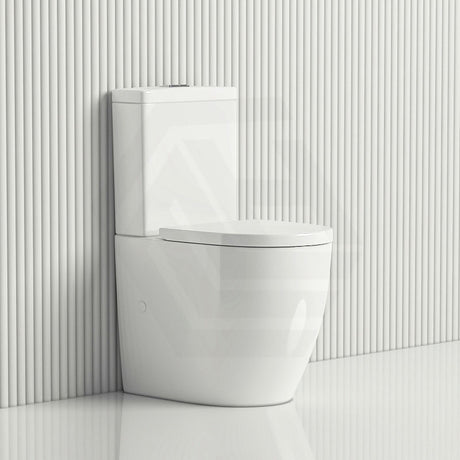
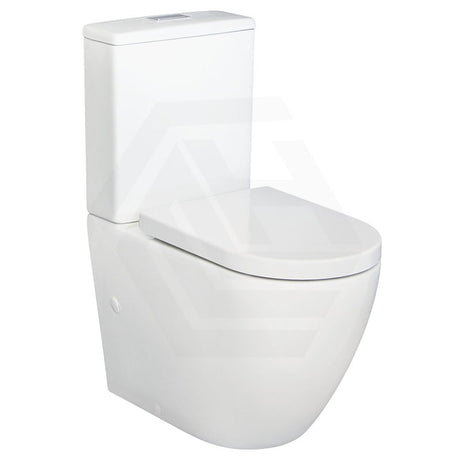
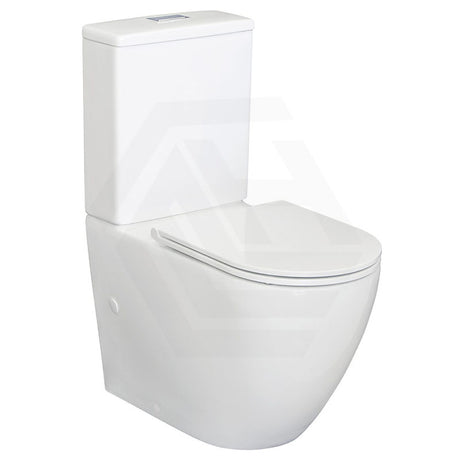
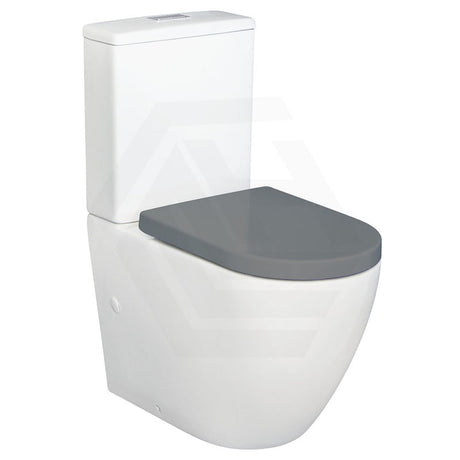
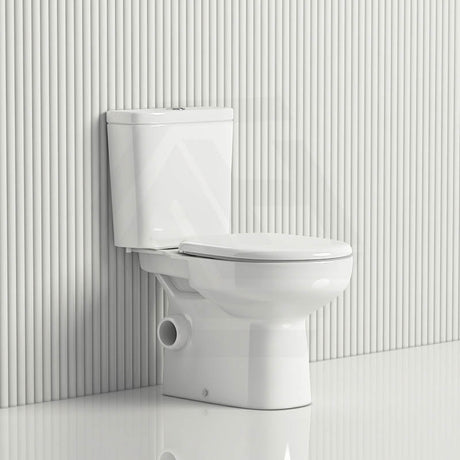
Thinking about replacing the inlet valve? I think it is time to replace the whole toilet.Modern designs like a back to wall toilet offer a sleek and space-efficient design together with improved functionality and are the characteristics of modern low-level toilets. Inlet systems have also been improved for quieter and more efficient performance.This is a fix that not only solves a real problem but also at the same time improves your bathroom generally.
How to Replace a Toilet Inlet Valve (Simple Overview)
You don't always need a plumber to fix this problem. Depending on your level of DIY expertise, you may be able to replace the toilet inlet valve yourself.Here’s a quick overview:- Turn off the water supply- Flush the toilet to empty the tank- Disconnect the water line- Remove the old inlet valve- Install the new valve- Reconnect water and testIt’s a relatively quick process and you can expect to be done in under an hour — even if it’s your first time.

Final Thoughts
If I'm being honest the first thing that comes to mind when you mention the inlet valve on a toilet is - what's the purpose of that thing. Yet here we are talking about one of the most commonly misunderstood yet vital parts of a bathroom. Working toilet parts really shouldn't be an afterthought, the seconds it takes for one to fail to properly cycle can cascade into minutes lost standing there, trying to remember what you had to do a minute prior and wondering where everything went wrong.The good news? It’s an easy fix.Trouble with a noisy tank, slow refilling or a constantly running toilet? Then you may need a new toilet inlet valve. And if you are replacing your valve, you might also consider replacing your toilet with a bottom inlet model or doing a full system replacement of your toilet and flush valve.