12 February, 2026
Toilet Trap Guide: How It Works, Trap Types, and How to Choose
Learn about the function and types of toilet traps, including P-traps, S-traps, and U-traps. Discover how to choose the right trap for your bathroom plumbing needs with MyHomeware.

Most of the plumbing in your bathroom is out of sight, but the trap is doing a lot of quiet work. It’s the curved section of pipe (or porcelain) that holds a little water, which blocks sewer smells from coming back into the room. At the same time, it still lets waste flow out properly.
Pick the wrong trap, though, and things can get messy. You might end up with a tricky install, slow draining, or smells that won’t go away. So if you’re building a new place or renovating a bathroom, it’s worth knowing the basics. This guide explains how traps work, the key differences between P-traps and S-traps, and how to choose the right one for your setup.
What Is a Toilet Trap?
A toilet trap is a curved channel built into the base of the toilet bowl or connected to the waste outlet. While it looks like a simple bend in the pipe, it serves as the primary barrier between your bathroom environment and the septic or sewer system.
In every modern toilet, the trap is designed to hold a small amount of standing water. This water seal is permanent (as long as the toilet is used regularly) and is the most vital component of the fixture’s design. Without this trap, there would be a direct open line from the sewer into your home. Whether you are looking at a P trap toilet or an S-trap version, the fundamental purpose remains the same: to trap water and block air.
How Does a Toilet Trap Work?
The physics behind a toilet trap is relatively simple but ingenious. It relies on gravity and the siphon effect.
- The Water Seal: When the toilet is not in use, the bend in the trap holds a specific volume of water. This water acts as a gas-tight seal. Sewer gases, which are lighter than air, attempt to rise up the pipes but cannot pass through the water barrier.
- The Flush: When you push the flush button, a large volume of water is released into the bowl. This sudden influx creates pressure that forces the water and waste in the trap over the highest point of the bend (the weir).
- Siphon Action: As the water flows over the weir and down the drainpipe, it creates a siphon effect, pulling the remaining contents of the bowl with it.
- Resealing: Once the flush is complete, the refill valve sends a final stream of water into the bowl to refill the trap, re-establishing the protective seal for the next use.
Common Types of Toilet Traps
In Australia, you will generally encounter three main toilet trap types. Understanding the difference between them is critical for a successful installation, especially during renovations.
S-Trap Toilets
What is an S trap toilet? This is the most common type found in older Australian homes and many new builds. In an S trap toilet, the waste pipe connects to the toilet bowl and then curves downwards to exit directly through the floor. The shape of the pipe resembles the letter "S" laid on its side.
Pros:
- High Availability: Standard in most Australian ground-floor installations.
- Excellent Siphoning: The vertical drop creates strong suction for flushing.
- Space Efficient: Often allows the toilet to sit closer to the wall if the floor waste is positioned correctly.
Cons:
- Smells can return: If water gets pulled out of the trap, bad odours can come back up.
- Not ideal for modern standards: Many newer buildings prefer P-trap setups or different waste outlet types.
- Installation Limits: You cannot install these if your waste pipe is in the wall.
P-Trap Toilets
What is a P trap toilet? A P trap toilet features a waste outlet that exits horizontally out of the back of the toilet and goes into the wall. It is shaped like the letter "P". These are increasingly popular in multi-story apartments and modern homes.
Pros:
Aesthetics: Often used with wall-hung or back-to-wall suites for a minimalist, clean look.
Hygiene: Keeps the floor clear of pipes, making mopping significantly easier.
Height: Ideal for upper-level bathrooms where penetrating the floor slab is difficult.
Cons:
Plumbing Requirements: Requires the waste outlet to be pre-plumbed into the wall, which can be expensive to retrofit if you currently have a floor outlet.
Skew Trap Toilets
A skew trap toilet is less common today but still exists in older properties. Here, the waste pipe exits to the left or right side of the toilet bowl rather than the back or bottom.
Pros:
Problem Solver: Vital for tight spaces where standard floor or wall positions aren't possible.
Cons:
Limited Style: Very few modern designs offer a skew trap option.
Visuals: The plumbing is exposed on the side, which can look cluttered.
Renovation Tip: If you have an old skew trap, you might not need a direct replacement. A clever plumber can often modify the pipework to accept a standard P-trap or S-trap suite, opening up hundreds of modern design options.
Comparison of Toilet Trap Types
| Feature | S-Trap Toilet | P-Trap Toilet | Skew Trap Toilet |
| Exit Direction | Through the Floor | Through the Wall | To the Side (L/R) |
| Typical Use | Ground floors, older AU homes | Apartments, modern renos | Tight/Old spaces |
| Cleaning | Floor around base | Excellent (Clear floor) | Difficult (Side pipes) |
| Installation | Common rough-in | Requires wall plumbing | Niche requirement |
Why Does a Toilet Trap Prevent Odours and Sewer Gas?
The primary "enemy" a toilet trap fights is sewer gas. This gas is a byproduct of decomposing waste in the municipal sewer or septic tank and contains a mixture of methane, hydrogen sulfide, ammonia, and carbon dioxide.
Hydrogen sulfide, in particular, gives off that characteristic "rotten egg" smell. Beyond the smell, these gases can be toxic in high concentrations and are potentially flammable (methane).
The standing water in the bottom of the commode P trap or S-trap acts as a liquid cork. Because the gas cannot dissolve through the water fast enough to enter the room, and it cannot push the heavy water out of the way, it remains safely in the pipes.
If a toilet is unused for months, this water can evaporate, breaking the seal and allowing odours in. That’s why a dry trap is the most common cause of sudden bathroom smells.
How Do You Choose the Right Toilet Trap for Your Bathroom Setup?
Choosing between a P trap vs S trap toilet usually isn't a stylistic choice—it is dictated by your existing plumbing. To choose correctly, you must measure your "set-out."
1. Identify the Outlet: Look behind your current toilet. Does the pipe go into the floor (S-trap) or the wall (P-trap)?
2. Measurement Cheat: Don't guess! Grab your tape measure and follow these standard Aussie rules:
For S-Trap (Floor Outlet): Measure from the finished wall (tiles, not the skirting board) to the exact center of the waste pipe in the floor.
Standard Range: 140mm (but can vary from 90-250mm).
For P-Trap (Wall Outlet): Measure from the finished floor to the exact center of the waste pipe in the wall.
Standard Height: 185mm.
3. Check for Skew: If the pipe goes sideways, you need a skew trap or a specific renovation solution.
Choose the Best Toilet from MyHomeware
Once you have these measurements, you can select a suite.
MyHomeware P-Trap Toilets
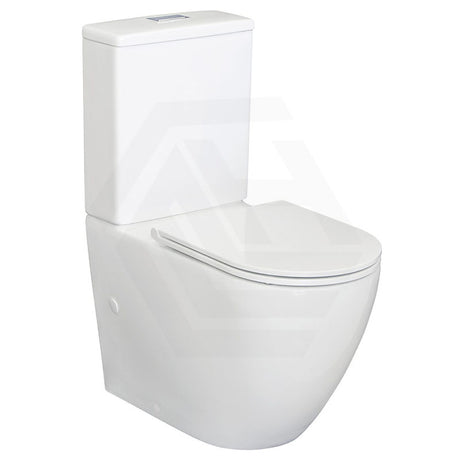
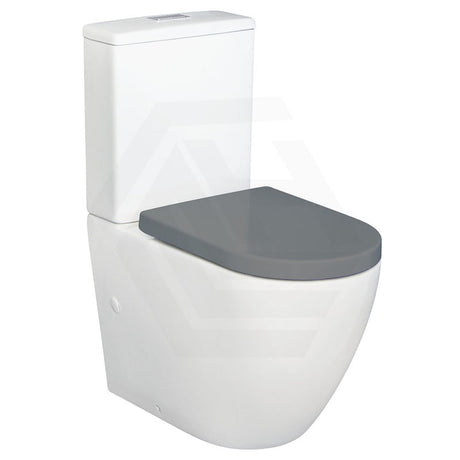
If your measurements confirm you have a wall outlet, or if you are designing a new bathroom with a floating aesthetic, p-trap toilets are the ideal choice. A well-chosen P-trap toilet makes a bathroom feel instantly smarter with clean lines and fewer installation compromises.

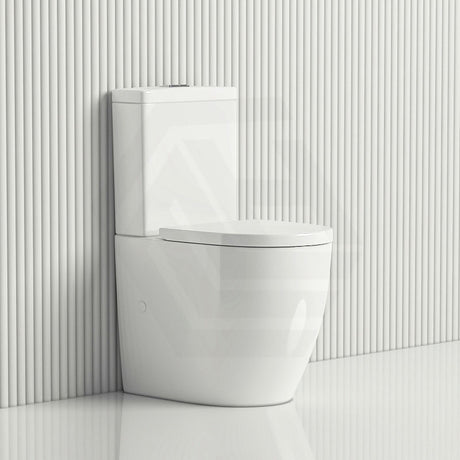
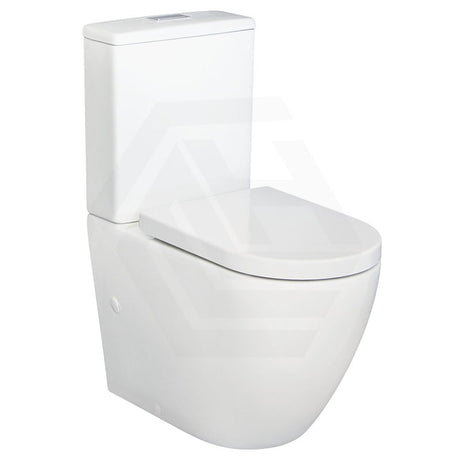
At MyHomeware, the range of P-trap toilets is designed for seamless wall plumbing. They feature a standard 180mm rough-in, making them compatible with most apartments, townhouses, and new builds where floor penetration isn't preferred. These units are particularly effective for wall-hung and in-wall cistern installations, creating a spacious look that makes floor cleaning effortless.
Constructed from durable vitreous china and backed by Australian WaterMark approvals, these toilets often feature rimless technology. This eliminates hidden rims where bacteria grow, ensuring advanced hygiene.
MyHomeware S-Traps
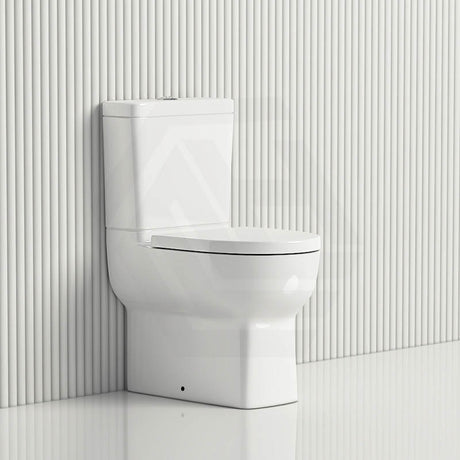
For the majority of Australian homes where the plumbing exits through the floor, s-traps are the required solution. MyHomeware’s range of S-trap toilets is designed to make upgrades feel effortless, specifically catering to retrofits where moving plumbing isn't an option.

These suites don't just fit better; they flush smarter. Many toilets feature dual-flush technology that meets 4-star WELS ratings (often 4.5L/3L), balancing water conservation with powerful waste removal. Combined with soft-close, quick-release seats and rimless bowls, they offer a quiet, hygienic, and comfortable experience for the whole family.
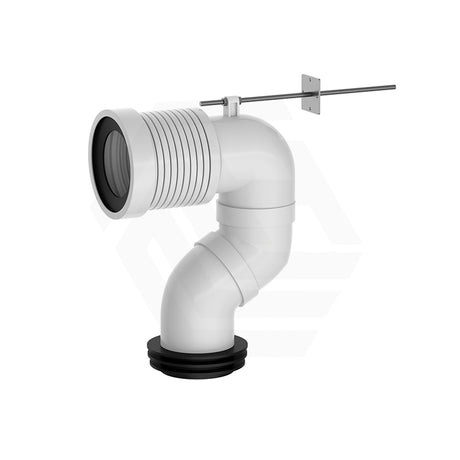
One of the biggest differences between S trap and P trap toilet installations is the variability of the floor pipe position. MyHomeware addresses this with adjustable toilet connectors (pan collars). These flexible installs can cover set-outs ranging from as short