18 February, 2026
Hobless Shower Buying Guide for Modern Bathrooms
Hobless shower buying guide: Essential waterproofing, drainage & installation tips for accessible, modern Australian bathrooms. Costs, pros/cons & DIY vs pro advice included!

Hobless showers are one of the most popular bathroom trends in Australia right now. Not only do they look sleek and modern, but they offer practical benefits for accessibility and space.
When installed correctly, hobless showers solve real problems in Australian homes.
What is a Hobless Shower?
A hobless shower (also known as a curbless shower) has no step or raised threshold. The bathroom floor runs directly into the shower area with proper drainage to remove water. Simple idea, but a little more complicated to execute if you want it watertight and long-lasting.
But first, why would you want one? Besides the modern, space-enhancing look (and believe me, in a land of tiny bathrooms like Australia, that's important) going hobless is the key to having an accessible shower for those with mobility challenges. A hobless shower is particularly beneficial for those with mobility challenges, elderly family members, or anyone recovering from an injury. I've seen firsthand how a simple step can become a significant obstacle when someone's mobility changes.
Waterproofing Requirements
Waterproofing is the most critical aspect of a hobless shower installation. You need a certified waterproofing professional to install a full membrane that wraps well outside the shower. The waterproof membrane must extend a minimum of 1800mm above the shower rose and across the entire shower floor area.
The shower floor requires a minimum gradient of 1:100 (1%) towards the floor waste. This ensures proper water drainage without creating a noticeable slope.
Floor Waste Options
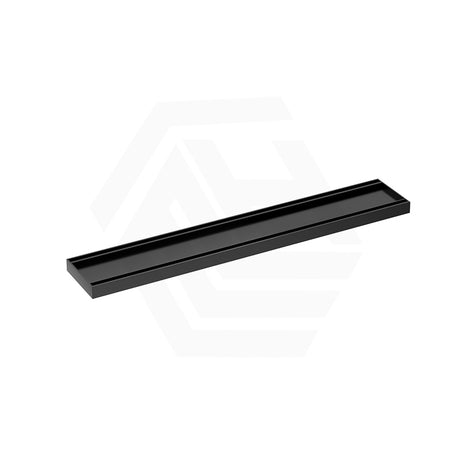
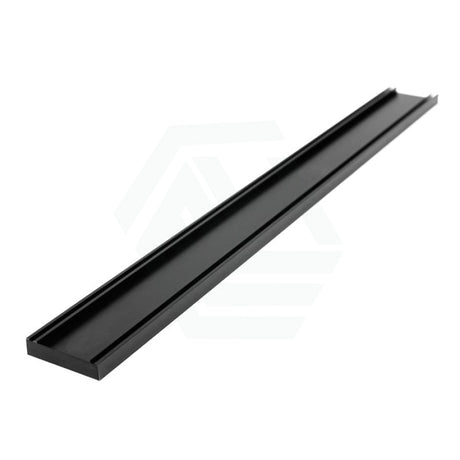
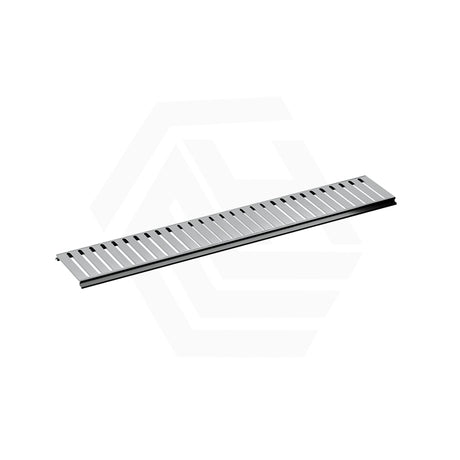
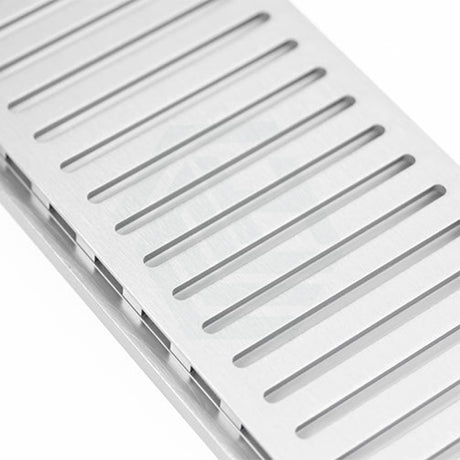
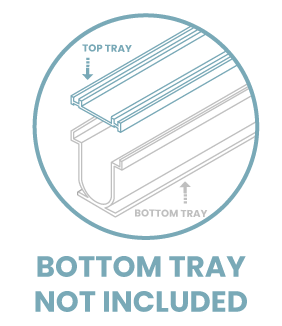
Your choice of floor waste can make a surprising difference. Linear drains are popular for hobless showers due to their high water flow capacity and modern appearance. Centre drains are also suitable if adequate fall is created in all directions towards the waste. Incorrect fall is a common installation error that results in water pooling. Always ensure your tiler has experience with hobless showers.
Tile Selection
Tile Selection: Choosing the right tiles is crucial for safety and functionality in a hobless shower. You'll be looking for non-slip tiles with a minimum P4 or R11 rating. We're not keen on polished porcelain, which may look fabulous in the showroom but turns into an ice rink when wet. In fact, small tiles, like mosaics, provide more traction because lots of grout lines are in contact with the sole. Also, proper fall is easier to achieve because you have more grout joints.
Defining the Shower Area

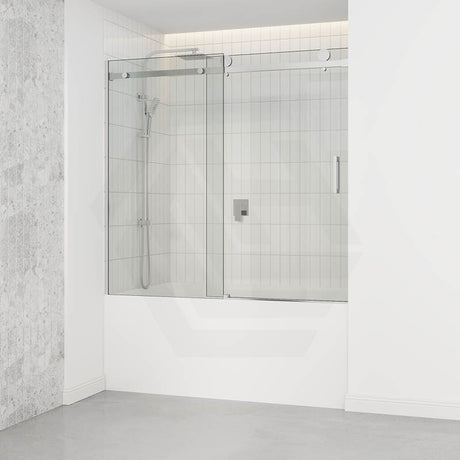
Defining the shower area is achievable without a hob. Glass panels are kind of the basic that nearly everything is built on, unless you're making a fully tiled wet room (which is another conversation). A 10mm frameless screen appears clean and contemporary. Ensure it's 100mm longer than the distance from the shower rose to stop water escaping into the bathroom.
Substrate and Structural Requirements
The substrate under your tiles must be structurally sound and stable. Any movement can crack tiles and compromise waterproofing. You may need to sister joists or add noggins, especially if this is a timber floor. Concrete floors are easier to work with than timber but still require proper screeding and fall before waterproofing can be installed.

Drainage Capacity
Drainage capacity is another thing. A licensed plumber must install the waste pipe (minimum 50mm diameter) with adequate fall to the sewer connection. This is not a DIY job. If the waste pipe has flat spots, it won't evacuate properly and can lead to standing water in your shower. I've taken out more than a couple waste pipes that were back-fall because someone didn't use their level when they roughed in the job.
Budget Considerations
Budget Considerations: Expect to pay 20-30% more than a standard shower installation. The additional cost covers extra waterproofing requirements, precision tiling work, and structural modifications if needed. Costs vary depending on your bathroom size, chosen materials, and whether structural work is required.
Waterproofing Certification

Always request a waterproofing certificate from your certified waterproofing professional. This documentation is essential for insurance purposes and provides proof the work meets Australian Standards. Just be sure the person doing it is certified — and that you get proper documentation. If there is ever an issue, your future self will thank you. Also true for the tiling — pay a little more for someone who's done hobless showers and won't learn on your bathroom.
One last thing — and this may sound silly, but it matters. Consider where the water will go when somebody gets out of the shower. Wet footprints are unavoidable, but with the right floor fall they will drain away instead of collecting. A little floor waste just outside of the shower doesn't hurt if you have a big enough bathroom.
A hobless shower is a practical and stylish addition to any Australian bathroom when installed correctly. Always engage certified waterproofing professionals and experienced tilers from the planning stage to avoid costly water damage and ensure your shower lasts for years.
Are you considering a hobless shower for your bathroom renovation? What concerns do you have about the installation?