

07 May, 2026
Bidet vs Toilet Paper: Which Is More Hygienic?
Bidet vs toilet paper: which is more hygienic? Discover the superior cleaning power, skin benefits and long-term savings of switching to a bidet in Australian bathrooms.

What Is a Bidet and How Does a Bidet Work?
Let's face it, the majority of Australians discover a bidet during their first hotel stay in Europe, where they typically spend three minutes just contemplating it before giving up and grabbing a roll of toilet paper instead. However, bidets have advanced far from the standalone devices that were common in your grandpa's bathroom.
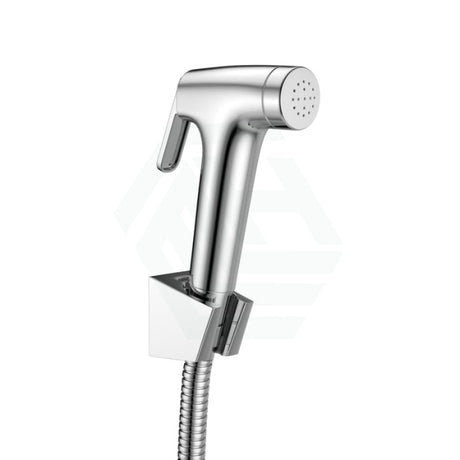
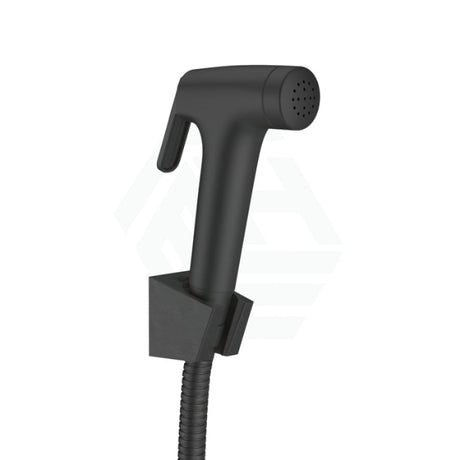
So, how does a bidet work, exactly? It's relatively straightforward. It uses a targeted stream of water to clean the perianal region after toilet use, either via a nozzle, a handheld sprayer, or a built-in integrated setup. With most models, you can control variables such as water temperature (heated models allow for a warm rinse), nozzle angle, and water pressure. After washing, you typically pat yourself dry with a bit of toilet paper or a dedicated towel.
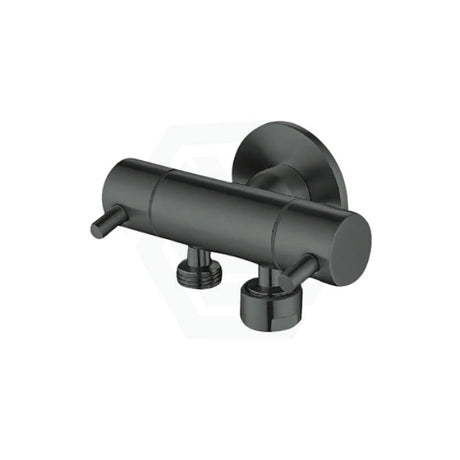
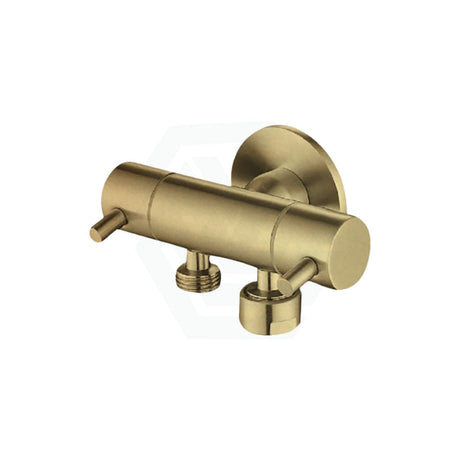
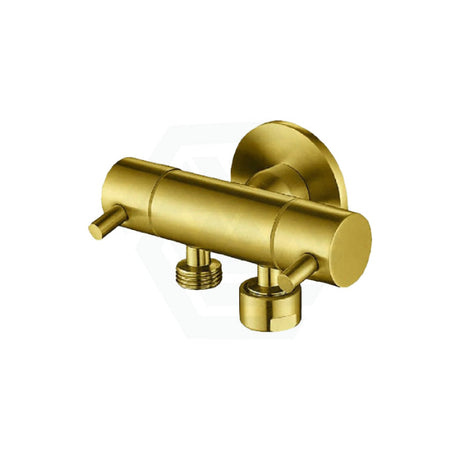
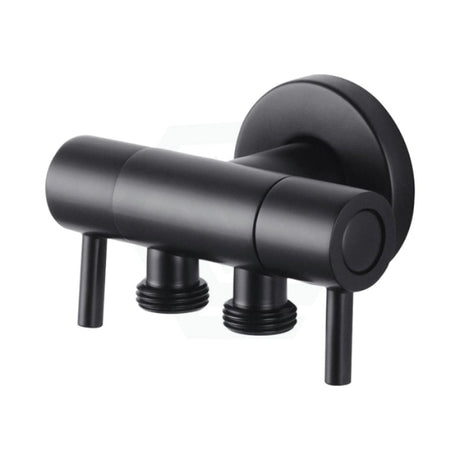
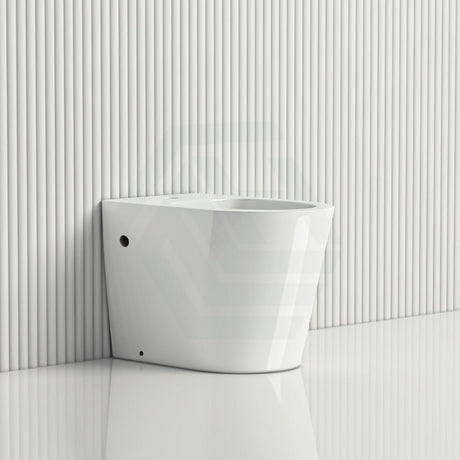
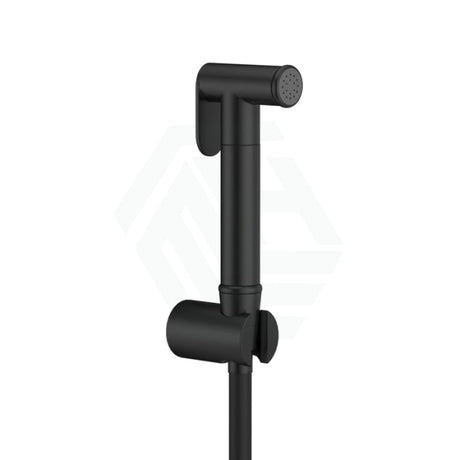
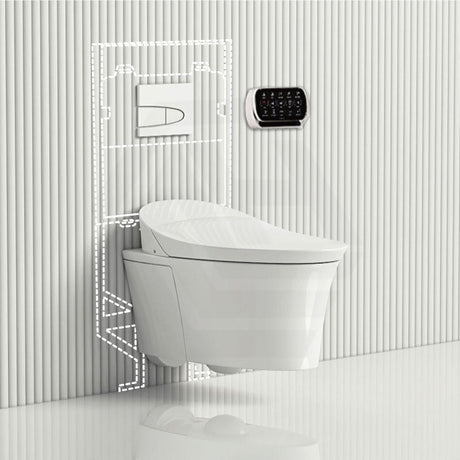
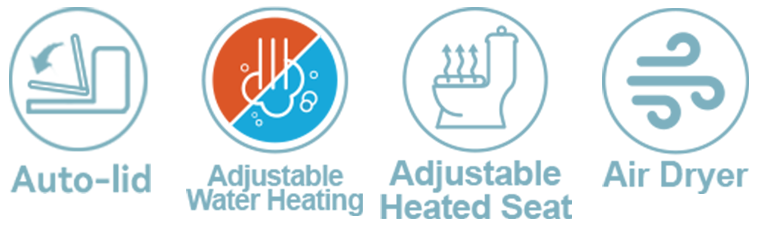
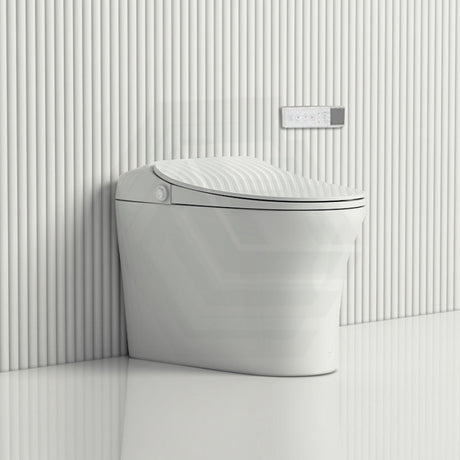
Currently, there are three principal categories in Australia: handheld sprayers, seats, and all-in-one units. A handheld bidet sprayer connects to the existing toilet water supply and is usually located near the cistern. A bidet seat retrofits onto your existing toilet bowl. At the premium end, integrated smart toilet suites from brands like Kohler and Poseidon have everything built in — heated seat, warm water spray, and auto-flush.
Knowing how a bidet operates, we can fairly assess what it actually achieves in terms of hygiene compared with the toilet paper the majority of Australians use.

Hygiene Comparison: Bidet vs Toilet Paper
Water wins. When you wipe with dry toilet paper, there is always leftover residue — nothing like that can remove all waste. With directional pressure, water washes away more bacteria and organic matter than dry wiping alone can.
Dermatologists have flagged this for years — habitual dry wiping is a leading cause of perianal irritation, micro-tears, and haemorrhoids. For people with sensitive skin, inflammatory bowel disease, or a recent surgical procedure in that area, toilet paper can be genuinely painful to use. Water's a different story — soft, clean, and nothing like the friction of paper.
The environmental side of things deserves a proper look in any bidet vs toilet paper conversation. Toilet paper alone costs the typical Australian household somewhere between $150 and $200 every year. To manufacture just one roll of toilet paper, around 140 litres of water gets consumed in the process. Each bidet wash draws on roughly 0.5 litres of water — full stop. That maths doesn't do toilet paper any favours.
Sure, hygiene drives most people to make the switch — yet the argument goes well beyond that, touching on real cost savings and genuine health gains for certain conditions.

Bidet Benefits Beyond Cleanliness
The bidet benefits that tend to convert the sceptics are the practical, financial ones. If you're spending $180 a year on toilet paper and you fit an entry-level bidet attachment — costs range between $7 to $77 for a diverter-style unit — you can typically recoup the outlay within months. A more expensive retrofit bidet seat ($80 to $1,846) will take longer to pay for itself but delivers a significant comfort upgrade.
When haemorrhoids, IBS, post-surgical recovery, or reduced mobility are part of the picture, this stops being a preference — it's a matter of daily comfort and dignity. Warm water — held to a maximum of 50°C at the outlet under AS/NZS 3500.4 anti-scald standards — offers real therapeutic relief that no amount of aggressive wiping can match.
Knowing the benefits is a solid start, but it's the practical know-how that turns all of that into an everyday difference.

Your Practical Guide to Using a Bidet
Knowing how to use a bidet is mostly a matter of confidence, with a small amount of practice needed for a bidet seat. Remain seated on the toilet after you've finished and activate the wash function via the side panel or handheld remote. Adjust the spray to your desired pressure, starting with the lowest setting. Allow the spray nozzle to run for about 20 to 30 seconds. Pat dry with a small amount of toilet paper or a cloth afterwards.
To use a handheld toilet sprayer, direct it between or behind your legs towards the target area. Again, begin on a low-pressure setting — the most common mistake is starting too high. The other frequent error is inadequate drying afterwards, which can be equally irritating to skin.
In most shared bathroom situations, a bidet seat with a self-cleaning nozzle feature works well. For a handheld unit, give it a rinse after every use.

Choosing the Right Bidet for Australian Bathrooms
Bidets australia have never been so accessible. Entry-level options, like the diverter-style toilet sprayer ($7 to $77), fit inline to the water supply at the back of the toilet and require no additional plumbing — most DIYers can install these themselves in around 30 minutes.
At the mid-range is a retrofit bidet seat ($80 to $1,846), offering heated water, adjustable pressure, and warm air drying on premium models. These seats fit almost any standard Australian toilet bowl without replacing the full pan and cistern suite.
For a more comprehensive upgrade, the bidet toilet bidet is available from Kohler and Poseidon, with integrated smart toilet suites ranging from $1,619 to $6,205. Connecting to a water supply must be completed by a licensed plumber — check your state/territory requirements. Any hard-wired electrical fittings, such as electrically heated seats, must be installed by a licensed electrician in accordance with AS/NZS 3000.
Always look for WaterMark certification before purchasing. In the bidet vs toilet paper comparison, water is more effective at cleaning, lower cost over the long term, and gentler on skin — with options to suit every budget and bathroom across Australia.
References
AS/NZS 3500.4 Plumbing and Drainage — Heated Water Services, Standards Australia
State plumbing licensing legislation (VBA Victoria; Fair Trading NSW; QBCC Queensland; Building Practitioners Board WA; CBOS Tasmania; ACTPLA ACT; Building & Energy SA; ABPB NT)
AS/NZS 3000:2018 Electrical Installations (Wiring Rules), Standards Australia
WaterMark Certification Scheme, Australian Building Codes Board