

21 April, 2026
Bathtub Sizes Australia: Standard Dimensions and Selection Guide
Understand standard bathtub sizes in Australia, from 1500mm to 1700mm. Learn how to choose the right bath type, dimensions, and layout to suit your space and avoid costly installation mistakes.

Standard Bathtub Sizes in Australia: What to Expect
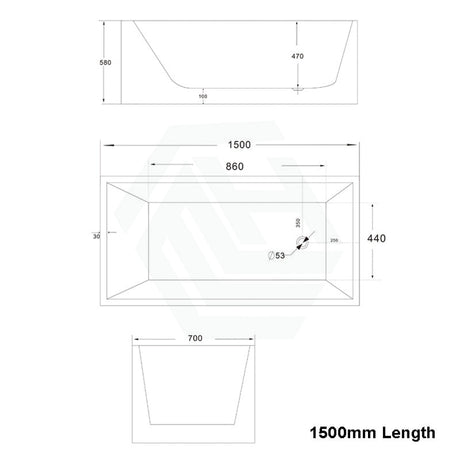
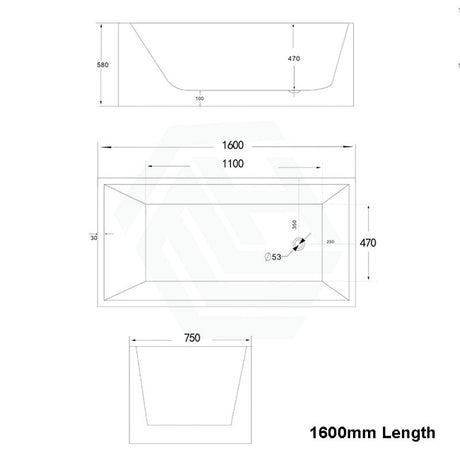
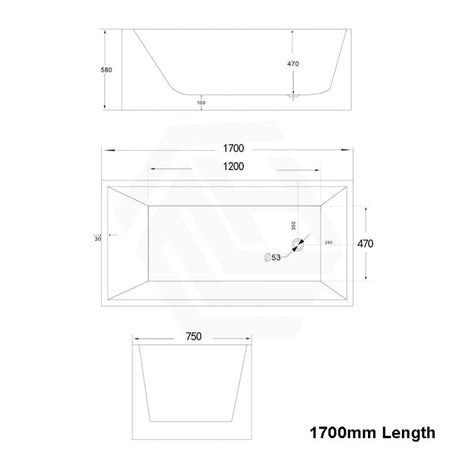
The first and perhaps most critical thing you need to know about Australian bathtub sizes when purchasing one here is that they are mostly in metric, and 1500 mm and 1700 mm are the two dominant lengths — you will find them on nearly every showroom floor and supplier catalogue across Australia.
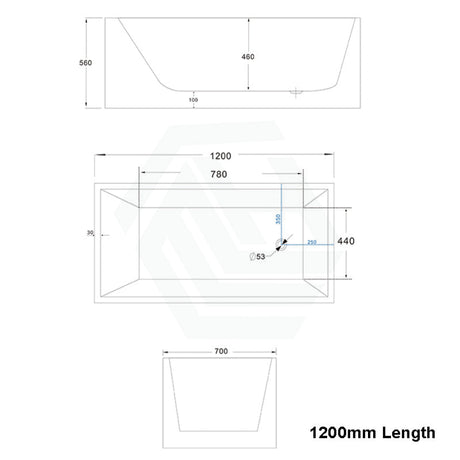
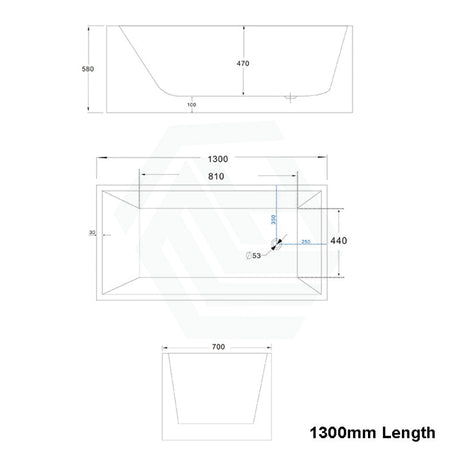
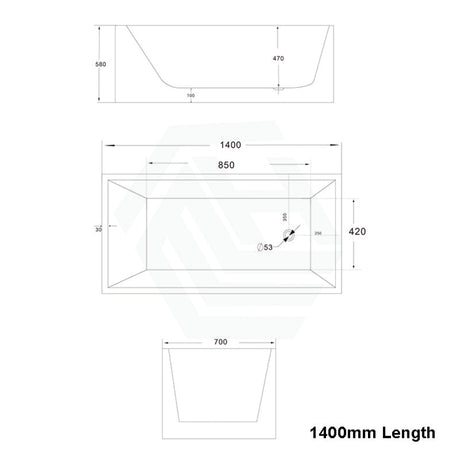
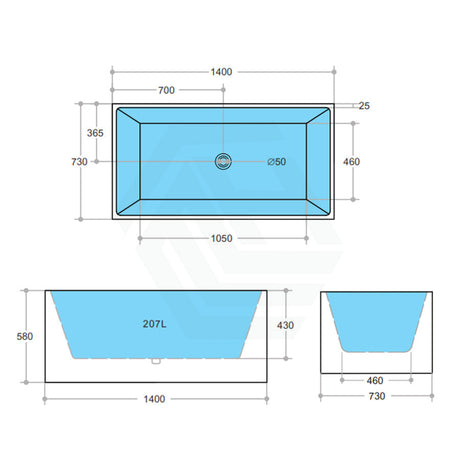
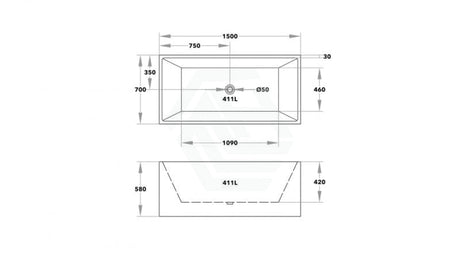
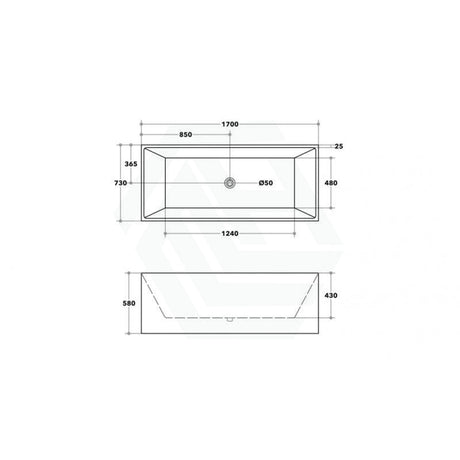
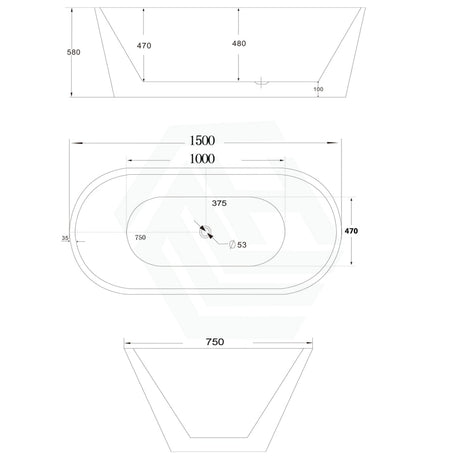
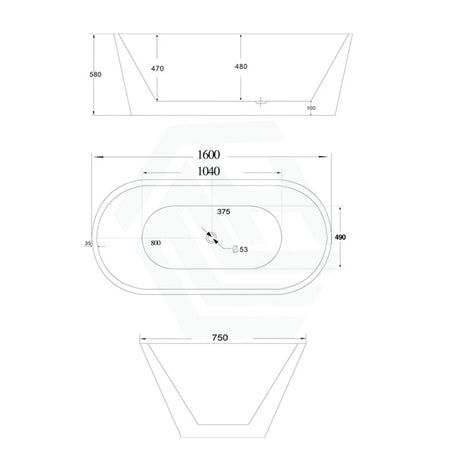
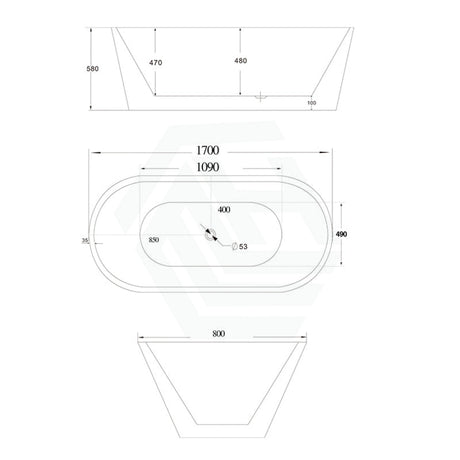
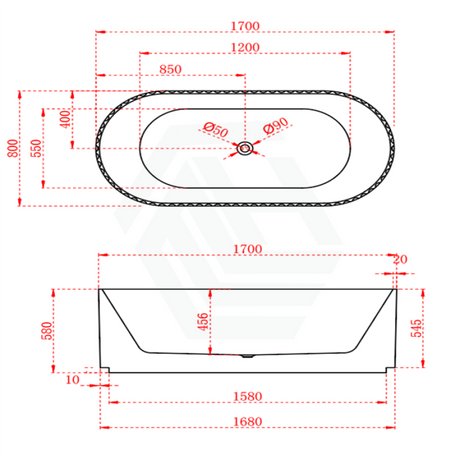
The standard bath size is about 1500 to 1700 mm long, 700 to 800 mm wide and 400 to 500 mm deep. I can't tell you how many homeowners I've met that have purchased a bath for their home only to find it to be too shallow and therefore they don't want to have a bath! A standard bath needs a minimum of 400 mm internal depth for anything worthwhile to sit in.
It is interesting to note that Australian bathtub sizes differ from both the US standard, which is 60 inches (1524 mm) (this being a size somewhere between our own two common sizes) and the standard European size, which tends to be rather more narrow. So when you are perusing baths on the web and you see some imperial measurements on offer, make sure you have converted to the metric system before purchasing.

Bathtub Dimensions by Type: Freestanding, Built-In and Corner
Bath dimensions vary by type, so here is a short summary of the various common types, sizes and ranges.
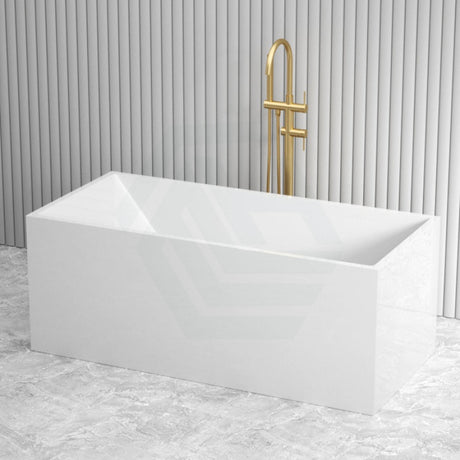
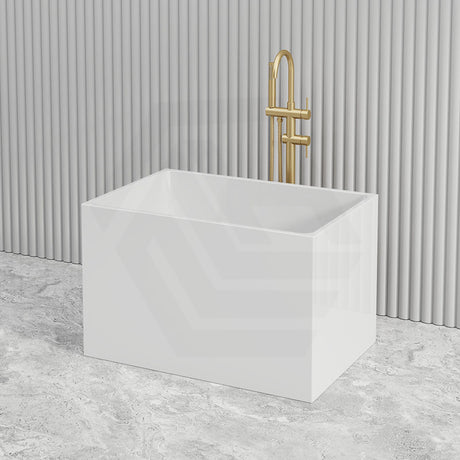
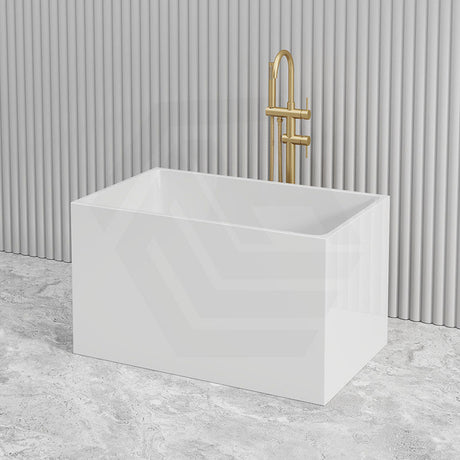
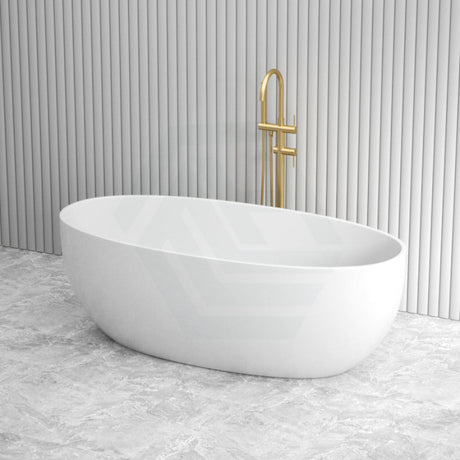
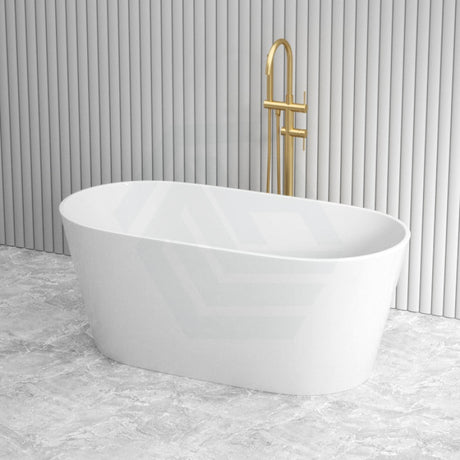
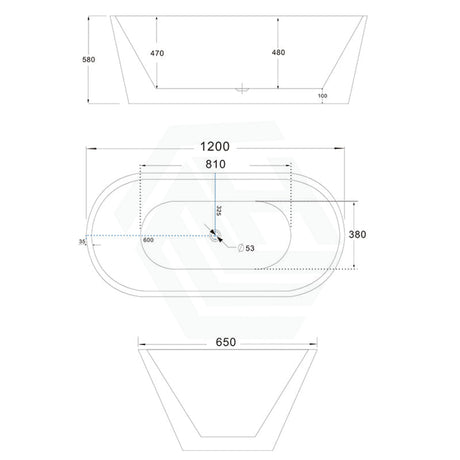
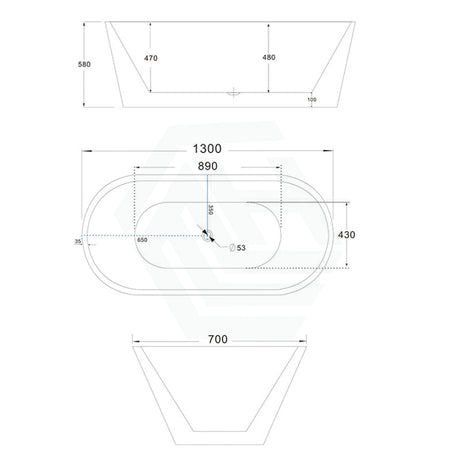
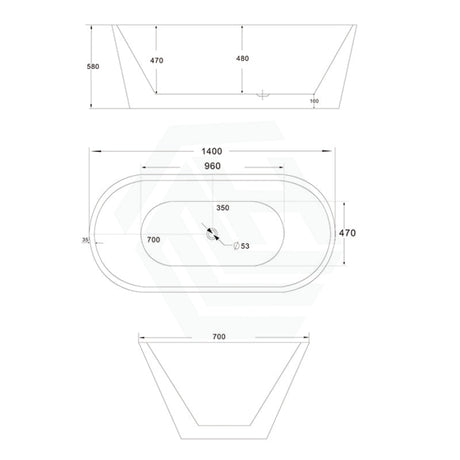
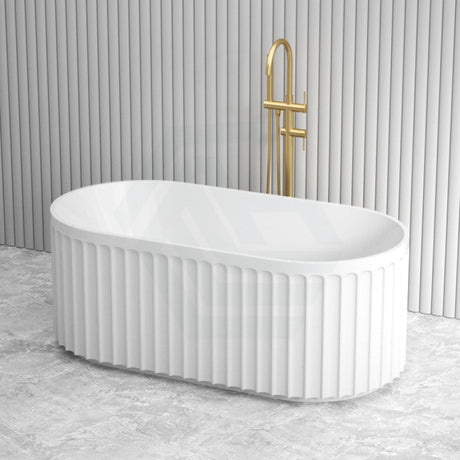
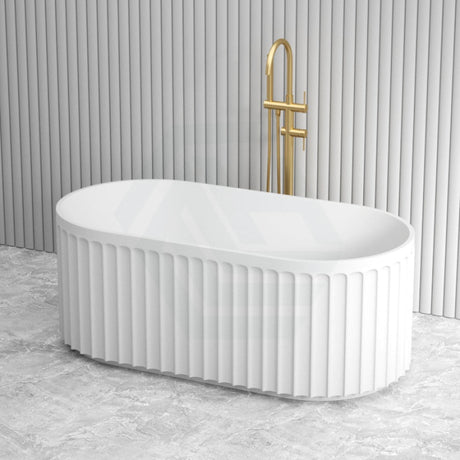
Freestanding Bathtubs: Freestanding baths tend to be the most generously dimensioned with lengths of around 1400 to 1800 mm, widths of around 700 to 850 mm, and they are normally deeper than built-in baths as well. The downside is the price which starts around $878 and goes up to $7,182. Freestanding baths are most commonly made of acrylic with fibreglass as a backing for reinforcement and strength.
Inset or Built-in Bathtubs: Inset and built-in tubs have standard bath size dimensions of 1500 to 1700 mm long by 700 to 750 mm wide. These drop-in baths are the cheapest of any type, starting at $312.
Corner Bathtubs: Corner bathtubs usually have dimensions around 1200 to 1500 mm on each side. The price range is $958 to $2,085.
Back-to-Wall Bathtubs: Back-to-wall bathtubs usually have one flat side against the wall, are 1500 to 1700 mm long, and the price range is between $938 and $2,085. It is important to note that back-to-wall bath installation is usually after waterproofing has been performed to the Australian Standard for wet area waterproofing (AS 3740:2021).

How to Measure Your Bathroom for a New Bathtub
It is important to make sure that you take all of the relevant measurements before buying your new bath. I know far too many people who have bought a beautiful 1700 mm freestanding bath only to find it doesn't fit through their bathroom doors or their waste pipes are in a different position to the waste outlets.
Here is a guide to help you measure your bathroom for a new bathtub:
Available Space: Measure the available space in your bathroom. As a rule of thumb, take your bath length and add 100 mm at each end — so a 1700 mm freestanding bath needs at least 1900 mm of wall-to-wall length, and a 1500 mm bath needs 1700 mm.
Door Width: Check your door widths and hallway clearance. A 1700 mm freestanding bath fits through a standard 820 mm door on its side (bath widths are typically 700–800 mm), but you need enough room to rotate it into the bathroom — tight corners or narrow passages are the real constraint.
Waste Outlets: Make sure that the position of the waste outlet is going to line up with the position you want the bath drain to be on either end. Measure the distance from your wall to the middle of your waste outlet.
Clearance: Don't forget the 100 mm gap at each end for cleaning access, plus at least 600 mm of clear floor in front of your bath so you can step in without knocking into the vanity or toilet. A word of warning on that 100 mm: a standard mop head will not fit, so if your room only allows the bare-minimum gap, a back-to-wall freestanding tub is the better call — you get the freestanding look with a flush back edge you can actually reach behind.

Weight, Water Capacity and Structural Considerations
This is usually the section readers skip but the one most likely to cause expensive problems. An empty acrylic tub has a weight of between 25 and 40 kg. Add the water and user and you are expecting a total weight of 250 to 350 kg on a small area of the floor — that is a load a modern Australian concrete slab will handle in its stride, though an upstairs floor in a timber framed house is another story and I would strongly advise you have a structural engineer check the floor loading before you buy. The picture changes with heavier materials: cast iron tubs sit around 100 to 150 kg empty, stone composite tubs 60 to 100 kg, and a fully loaded cast iron or stone bath can push past 500 kg on a small footprint. Even on a concrete slab — particularly the waffle pod slabs common in modern Australian builds — check the manufacturer's floor-loading specification against your slab's point-load rating before you install.
A smaller water volume bath will have fewer dimensions but this is the relationship between the bathtub dimensions and the amount of water it will contain. A typical bathtub length of 1500 mm will hold about 180 to 220 litres of water and a typical freestanding tub of 1700 mm length can hold 250 to 300 litres. It can help to coordinate your other bathroom fixtures when making a bathtub decision to allow enough space for the bathroom of your choice to be placed, including your top vanity bathroom, toilet, bath vanity and bathtub.

Choosing the Right Bathtub Size for Your Bathroom Layout
The best bathtub size depends on the dimensions of your bathroom and what else needs to fit in your bathroom. In the case of a small room (less than 5 square metres) a 1500 mm built-in tub or drop in tub is often the maximum size you should consider and for that you're probably best looking at a bath over shower. For a 5 to 8 square metres bathroom a 1700 mm bath can easily fit along with space for a separate shower, 750 to 900 mm vanity and toilet. Once you get up to over 8 square metres in bathroom size you can really explore a freestanding tub. You can fit a 1700 or 1800 mm freestanding tub as the centrepiece of the room and then have the tub bath sinks and vanities and walk in shower all work nicely around it. Now the bathtub size and shape is more a design choice than a functional one. If you are laying out your bathroom in a corner the use of a bathroom vanity in corner may leave you space to use a full size tub against the other wall. Always check with a licensed plumber on where your waste outlet is in relation to the tub you are considering buying. A $150 plumber site check could save you $500 in mistakes.
One compliance note before you buy: any bathtub sold in Australia must carry WaterMark certification (WaterMark Certification Scheme) before a licensed plumber can legally install it, and your home insurance may be voided after a leak if the fitting is uncertified. Check for the WaterMark logo on the product listing.
References
AS 3740:2021 Waterproofing of Domestic Wet Areas, Standards Australia
WaterMark Certification Scheme, Australian Building Codes Board