28 April, 2026
How to Waterproof a Bathroom: Australian Standards and Best Practice
How to waterproof a bathroom to Australian standards: AS 3740 requirements, membrane types, step-by-step application and common mistakes to avoid. Essential guide for compliant wet area protection.

Why Waterproofing Is Non-Negotiable in Australian Bathrooms
Waterproofing failures go far beyond a little damp wall. They can mean timber rotting away behind the tiles, mould growing in places where you cannot see it, and potentially even voiding your home insurance. Repairs can easily run to between $10,000 and $30,000 plus the cost of the new tiles and fixtures!
In Australia, waterproofing of wet areas like a bathroom is a legal requirement of the National Construction Code. In most states, only a waterproofer with an appropriate licence can perform this work. This is definitely not a job for the DIY enthusiast.

Australian Standards: What AS 3740 Actually Requires
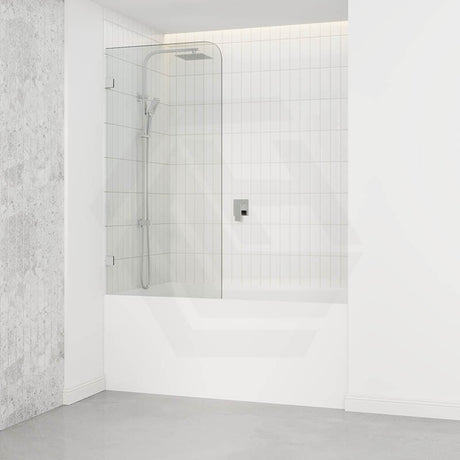
The National Construction Code requires shower walls to be waterproofed to a minimum of 1800 mm above the floor substrate (NCC 2022, ABCB Housing Provisions, Part 10.2). The wall on the bathing side of the bath must be waterproofed to a height not less than 150 mm above the bath rim. The wall to floor junction must have a flashing minimum horizontal leg of 40 mm.
For unenclosed showers, Australian Standard AS 3740 specifies that the waterproofed floor area must extend no less than a 1500 mm horizontal radius from the shower rose connection (AS 3740:2021). The floor fall must have a gradient no less than 1:80 or greater than 1:50 towards the floor waste. Your how to waterproof a bathroom project can comply through the NCC Housing Provisions or through AS 3740:2021 directly. When the waterproofing is complete, the waterproofer must issue a certificate of compliance. Keep this document as your insurance company may require it.

Membrane Types and Application Methods Explained
Liquid membranes are usually used when it comes to waterproofing residential bathrooms. Usually a liquid applied polyurethane or acrylic, these are brushed or rolled directly onto the substrate. Usually 2 coats are required, and the system may take 24 to 72 hours to cure before it can be tiled. I think this system is very popular for bathrooms because it conforms very well to areas around penetrations, corners and joints within the bathroom shower waterproofing areas.
A sheet membrane is a flexible membrane which is pre-manufactured and adhered directly to the substrate. The membrane will have the same thickness throughout its surface, and are generally preferred for larger floor areas and on substrate areas which have higher levels of movement. Each joint, corner, overlap and penetration in the membrane must be waterproofed in order to ensure a good waterproofing result. One missed overlap and you have a potential leak.
Both types of waterproofing need to conform to the Australian standards for how to waterproof a shower. A waterproofer will recommend the best system for your specific bathroom conditions.

Ventilation and Moisture Management: The Other Half of the Equation
The waterproofing does a great job at keeping water out of walls and floors, but ventilation does a very good job at removing the moist air left after every shower! Without proper bathroom fan installation, you will be inviting condensation, mould and long term damage. The National Construction Code specifies that the minimum exhaust rate for bathrooms is 25 L/s (NCC 2022, ABCB Housing Provisions, Part 10.8), and most budget exhaust fans won't achieve that, so look at the rated extraction capacity before you buy. An exhaust fan must be installed by a licenced electrician and must be ducted to outside the home, not the roof cavity. A timer switch or humidity sensor that activates the fan for 10 to 15 minutes after you shower really does help. Think about where a bath cabinet might go in relation to these ventilation zones in your design, and consider that keeping cabinetry away from moisture extends its life.

Hiring a Waterproofer: What to Look For and What to Expect to Pay
In most Australian states, waterproofing is a licenced trade. Ask for the waterproofer's licence number, verify it with your state's licensing authority, and ask for references from recent projects. The typical cost for how to waterproof a bathroom ranges from $1,500 to $4,000, depending on the type of membrane used, the size of the wet area and where you are. Sydney and Melbourne are on the higher end.
For me, the compliance certificate is the single most important thing you'll get out of your entire renovation. It confirms that the work complies, provides you with protection against future problems, and adds value to the house when you sell. If a waterproofer won't give you a compliance certificate, walk away.
Once your waterproofing is done, you can move on to tiling, installation of fixtures and fittings, and fitting out your bathroom cabinet and 900mm vanity. Get three quotes, but look closely at exactly what's included: does the waterproofing quote include the construction of the shower hob, or will that be an extra?
References
National Construction Code 2022, ABCB Housing Provisions, Part 10.2 Wet Areas
AS 3740:2021 Waterproofing of Domestic Wet Areas, Standards Australia
National Construction Code 2022, ABCB Housing Provisions, Part 10.8 Condensation Management