

05 May, 2026
How to Clean a Spa Bath: Maintenance Guide for Whirlpool and Jet Tubs
How to clean a spa bath: effective jet flushing, limescale removal and maintenance tips for whirlpool and jetted tubs. Keep your Australian spa bath hygienic and sparkling.

What You Need Before You Start: Tools and Cleaning Products
Gather everything up front. Seems simple, right? Now imagine getting halfway through your spa bath cleaning routine and realising you have run out of white vinegar. You will need:
- white vinegar: a large bottle (2 litres minimum)
- bicarbonate of soda
- citric acid powder
- soft-bristle brush
- microfibre cloths
- a grout brush
- rubber gloves
- bucket
For tougher stains and heavy limescale build-up, you may like to keep a commercially available limescale remover at hand also.
Do not use scourers, steel wool, or full-strength bleach spray on any surface. Most spa baths are constructed from acrylic reinforced with fibreglass. Scratching this surface can not only look unsightly, but can also void your finish warranty, which is usually for only one year. Always use diluted products on acrylic. Always.

How to Clean the Jets and Internal Plumbing
This is the one people usually shy away from. Out of sight, out of mind. This, however, is where skin oils, soap scum and bacteria combine inside the plumbing to create biofilm in the lines where it could never be reached by scrubbing a surface.
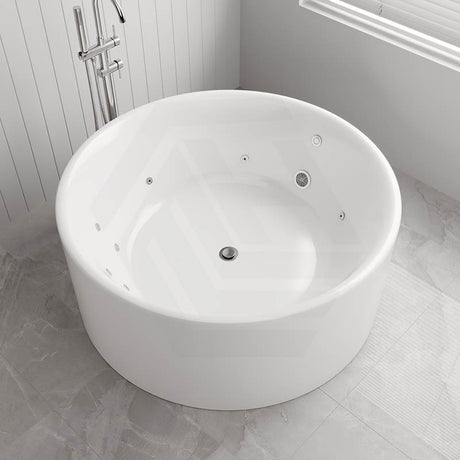
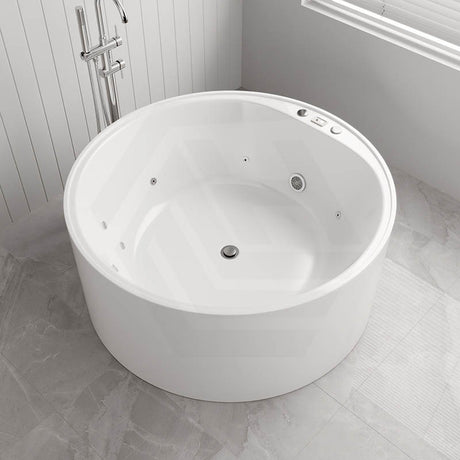
Fill your spa bath with hot water to just above the jets (no more than 50°C (AS/NZS 3500.4) at the outlet). Add 250ml of white vinegar or two tablespoons of citric acid powder. Run the jets for 15 to 20 minutes. Drain the bath completely, refill with cold water, and run a 10-minute rinse cycle. That is it.
During the first flush cycle, the water expelled may look quite alarming — dark grey, frothy and perhaps worse. Unpleasant, but confirmation that you needed to do this.
One caveat: if the jets are not operating, or you suspect a fault with the pump, that is not a DIY situation. The jet pump involves electrical wiring that must be serviced by a licensed electrician — bathroom electrical zones carry strict safety requirements per AS/NZS 3000:2018. Call a licensed electrician rather than investigating the housing yourself.
Repeat the flush cycle monthly if you use your spa bath frequently. Do not add dishwashing liquid to the flush cycle — the foaming will be excessive and you will regret it immediately.

How to Remove Limescale and Soap Scum from the Tub Surface
Once the plumbing lines are clear, the tub surface needs attention — and how to remove limescale effectively depends on what you are working with.
For light build-up on acrylic or fibreglass, a weekly wipe with diluted white vinegar (equal parts water and vinegar) on a microfibre cloth is sufficient. For heavier deposits such as that chalky, rough-textured ring around the waterline you can mix citric acid powder with warm water into a paste, apply it directly to the affected area, and allow it to sit for 20 to 30 minutes before wiping away with a soft cloth. Rinse thoroughly.
Stone-resin finishes require more care. Acidic cleaners, including vinegar and citric acid, can etch the surface over time — check your manufacturer's care instructions and use a pH-neutral cleaner instead. A commercial limescale remover formulated for stone is the safer option here.

How to Clean Grout and Bathroom Tiles Around Your Spa Bath
It is not only the tub itself that may require attention — the tile surround is where things tend to become an eyesore if neglected. Knowing how to clean bathroom tiles and grout lines involves two distinct processes. A white vinegar dilution and microfibre cloth is effective for tile surfaces and water-spot build-up. Knowing how to clean grout lines, by contrast, means working a paste of bicarbonate of soda and warm water in with a grout brush. Wait five minutes before rinsing. If grout lines are black or dark grey, treat with a specialist mould treatment before applying the bicarbonate of soda paste. Seal grout lines annually to prevent moisture and dirt ingress. Rectified porcelain tiles with smaller grout joints are easier to maintain than the larger grout joints typical of natural stone surfaces.

Ongoing Maintenance Schedule to Keep Your Spa Bath in Top Shape
Knowing how to clean a spa bath thoroughly is useful, but a regular routine means you will rarely need to. The cost of rectifying blocked jets, cracked grout and mould far outweighs the cost of a bottle of white vinegar.
- After each use: rinse the jets and wipe the tub with a clean damp cloth
- Weekly: wipe down the tub with diluted white vinegar; spray tiles to remove water spots
- Monthly: flush the jets with white vinegar or citric acid; check grout for mould growth
- Annually: seal the grout; inspect jets for damage or cracking; and have the bathroom extractor fan professionally serviced — this last one matters more than most people realise. Windowless wet areas require a minimum extraction rate of 25 litres per second (NCC 2022, ABCB Housing Provisions, Part 10.8) to prevent the moisture build-up that encourages mould growth.
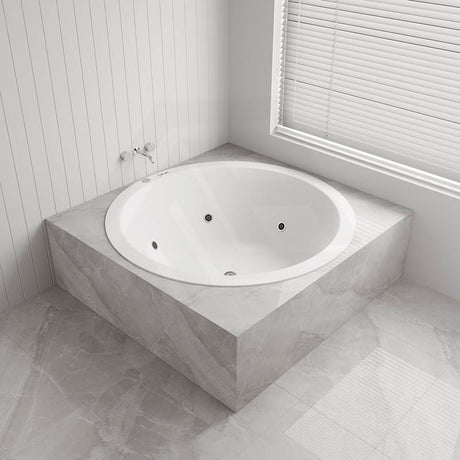
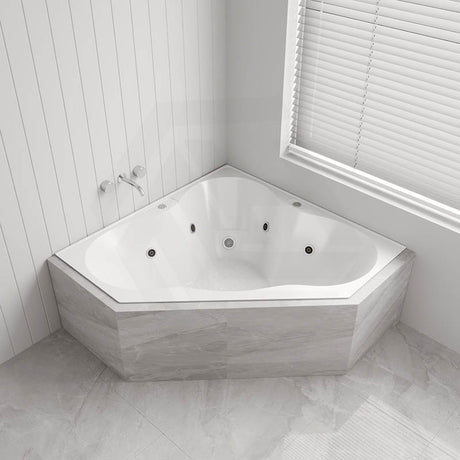
If jets appear low-pressure, are making unusual noise, or the pump is not starting, contact a licensed plumber or spa bath service technician. Do not attempt to remove the pump housing yourself. For those considering a purchase, spa baths for sale include drop-in rectangular models starting from $1,458, with corner configuration models available at $4,988. All units come with manufacturer cleaning and care instructions — follow them from first use and your spa bath for sale will provide years of reliable enjoyment alongside the best spa baths on the market.
References
AS/NZS 3500.4 Plumbing and Drainage — Heated Water Services, Standards Australia
AS/NZS 3000:2018 Electrical Installations (Wiring Rules), Standards Australia
National Construction Code 2022, ABCB Housing Provisions, Part 10.8 Condensation Management