15 January, 2026
How to Clean a Kitchen Sink: Easy Cleaning Tips
Smart bathroom storage ideas: Declutter & organise cupboards with bins, dividers, lazy Susans & labels. Maximise space, group items & maintain tidy routines for effortless access!

A dirty sink can build up bacteria, grime, and smells that spread around the space. Keeping your kitchen sink clean helps your kitchen stay fresh and healthy.
No matter if the sink is stainless steel, ceramic, or stone, regular cleaning helps stop buildup that can lead to stains or clogs. In this article, we’ll share how to clean kitchen sink, how to maintain it, and how often to clean it. Let’s get started!

Why Does a Clean Kitchen Sink Matter?
Sinks are constantly exposed to food scraps, grease, and leftover soap, which makes them a hotspot for germs and bacteria. If you let grime build up, it can lead to unpleasant smells, stains, or even mold, and in the worst cases, it could make you sick.
Keeping your sink clean also protects the material itself. Regular care prevents rust, mineral deposits, and scratches, so your sink lasts longer and looks fresh. On top of that, a tidy sink makes cooking, washing dishes, and even quick cleanup so much easier. When your sink sparkles, your whole kitchen feels brighter, fresher, and more inviting.
What Supplies Do You Need to Clean a Kitchen Sink?
Before getting into how to clean a sink, we need to gather the following supplies:
- Soft microfiber cloths or non-abrasive sponges: Prevent scratches on all sink types.
- Mild dish soap: For everyday sink cleaning.
- Baking soda: Helps remove stains and stuck-on grime.
- White vinegar: Great for disinfecting and breaking down mineral deposits.
- Small scrub brush or old toothbrush: Reaches tight corners, faucet bases, and drain edges.
- Rubber gloves: Protect your hands from hot water and cleaners.
- Spray bottle: Useful for vinegar or homemade cleaning solutions.
- Polishing cloth: Ideal for stone or stainless-steel sinks to restore shine.
How Do You Clean a Kitchen Sink Step by Step?
So, how do you clean a kitchen sink? Different sink materials need slightly different approaches to keep them spotless and damage-free. Let’s go through each type.
1.Clean a Stainless-Steel Sink
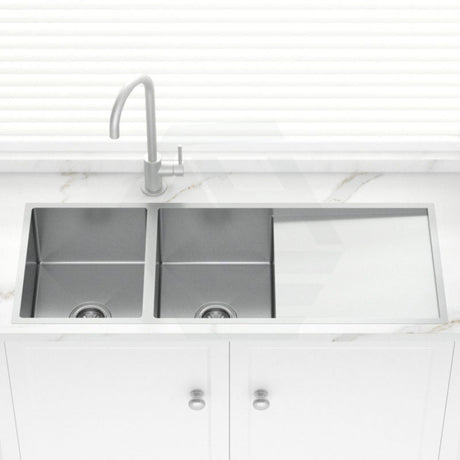
Stainless steel is durable but prone to water spots and scratches if not cleaned properly. Here is how to clean kitchen wash basin made of stainless steel.
Step 1: Rinse the sink with warm water to remove loose debris.
Step 2: Sprinkle baking soda over the entire sink surface. Baking soda is gentle and won’t scratch the steel.
Step 3: Use a soft sponge or cloth to scrub in circular motions, paying extra attention to corners and edges.
Step 4: For stubborn stains or mineral buildup, spray a mixture of equal parts vinegar and water. Let it sit for 5–10 minutes, then scrub lightly.
Step 5: Rinse thoroughly and dry with a microfiber cloth to prevent water spots and streaks.
2.Clean a Ceramic Sink
Ceramic sinks look shiny and smooth, but harsh cleaners can scratch them, and rough scrubbing can lead to chips or stains over time. Keeping to gentle tools helps protect the finish.
Step 1: Rinse the sink with warm water to wash away crumbs and soap residue.
Step 2: Apply a gentle cleaner for sinks or make a paste with baking soda and water for tough stains.
Step 3: Scrub with a soft sponge, avoiding steel wool or harsh brushes.
Step 4: Rinse thoroughly and wipe dry with a soft cloth to maintain the shine.
3.Clean a Stone Sink (Granite, Quartz, Marble)
Stone sinks look elegant but require care to avoid etching or discoloration. Here is how to clean it.
Step 1: Rinse with warm water to remove food particles.
Step 2: Use a pH-neutral sink cleaner or a mild dish soap diluted in water. Never use acidic cleaners like vinegar or lemon, as they can damage natural stone.
Step 3: Gently scrub using a soft sponge, focusing on corners where grime builds up.
Step 4: Rinse completely and dry with a soft cloth to prevent streaks and preserve the surface’s natural luster.
How Do You Clean a Kitchen Sink Drain?
A clean sink drain is just as important as the sink itself. Over time, food particles, grease, and soap can build up, causing bad odors and even slow drainage. Here’s how to get it sparkling clean safely:
Step 1: Remove Visible Debris
Start by taking out any strainer, stopper, or basket from the drain. Use a paper towel or cloth to remove crumbs, hair, and food bits that may be sitting in the opening.
Step 2: Flush with Hot Water
Boil about a kettle or two of water and slowly pour it down the drain. Hot water helps loosen grease and minor clogs. Repeat a couple of times for the best effect.
Step 3: Use a Natural Cleaner
Sprinkle about half a cup of baking soda into the drain, then pour half a cup of white vinegar on top. You’ll see fizzing and bubbling; that’s the reaction breaking down grime and neutralizing odors. Let it sit for 10–15 minutes.
Step 4: Rinse Thoroughly
Flush the drain with hot water again in the kitchen sink to wash away the loosened debris. For stubborn buildup, repeat the baking soda and vinegar process or use a long-handled brush to scrub the drain opening gently.
Step 5: Maintain Freshness
Once clean, you can drop a few lemon peels or a teaspoon of baking soda down the drain occasionally. This keeps it smelling fresh and prevents minor clogs from forming.
How Often Should You Clean Your Kitchen Sink?
So, now we know how to clean kitchen wash basin, but how often should you do it? Your kitchen sink sees more action than almost any other spot in the house, so keeping it clean matters more than most people think. A quick rinse and wipe at the end of each day helps clear away food scraps, grease, and soap buildup before they harden or start to smell.
Once a week, set aside a few minutes for a deeper clean. Scrubbing the basin with baking soda, vinegar, or a gentle dish soap helps remove stains and dullness while freshening things up. Don’t forget the drain area, since that’s where odors and germs tend to build up first.
If you cook often, wash raw meat, or prepare lots of vegetables, cleaning kitchen sink more frequently is a smart move. Regular maintenance keeps your sink hygienic and saves you from dealing with stubborn grime later.
How to Maintain Your Kitchen Sink?
Looking after your kitchen sink helps prevent clogs and keeps the surface in good shape for longer. A few small habits can keep it fresh, damage-free, and easy to use every day.
- Watch What Goes Down the Drain: Avoid pouring grease, oil, coffee grounds, eggshells, or large food scraps into your sink. These can build up over time and cause clogs. Using a sink strainer is a simple way to catch debris before it reaches your pipes. Empty the strainer daily for the best results.
- Wipe Surfaces Daily: A quick wipe with a soft cloth after using the sink helps prevent water spots, soap residue, and grime from building up. Gentle, non-abrasive cleaners are best, since rough scrubbers and harsh products can dull the surface or leave small scratches over time.
- Protect Stone and Composite Sinks: Occasionally polish or apply a protective sealant to stone sinks to prevent stains and maintain shine. This small step keeps them looking new for years.
- Don’t Forget Faucets and Handles: Faucets and handles collect grime and watermarks quickly. High-quality kitchen tapware is easier to clean, resists corrosion, and keeps its finish longer with simple daily care. Wipe them regularly with a damp cloth and mild kitchen sink cleaner to maintain their shine.
- Keep the Drain Flowing: Check the drain regularly for slow water flow. If needed, flush it with a mixture of baking soda and vinegar to prevent buildup.
- Choose Quality from the Start: A well-made kitchen sink is easier to clean, resists stains and scratches, and lasts longer with less effort. Investing in good-quality materials like stainless steel, ceramic, or properly sealed stone can save you money and maintenance headaches over time.

Conclusion
We hope you now feel clear about how to clean a kitchen sink. A clean sink helps the kitchen feel fresh and makes daily jobs easier. Quick habits like rinsing after use, wiping every day, and doing a deeper clean once a week can stop stains, smells, and buildup.
Gentle sink cleaners like baking soda and vinegar are often enough and won’t damage the finish. Choosing a good-quality sink also helps it last longer. MyHomeware has good-quality sink options and accessories that suit everyday use and are easy to look after, so cleaning sink feels simpler.